
Infant Asthma and Pollen: Identifying Seasonal Triggers


Welcome to BabyCareHub, your ultimate guide to navigating the incredible journey of parenthood. We understand that the arrival of your little one brings a wave of both joy and questions. Are you concerned about your baby's health and well-being, especially during allergy season? Then you've come to the right place.
Discover crucial insights into baby asthma pollen triggers and learn how to protect your precious child from seasonal irritants. Let us empower you with the knowledge and confidence you need to provide the best possible care. Continue reading to explore essential information and practical tips for a healthier and happier baby.
- Understanding Baby Asthma and Pollen Exposure
- Recognizing Pollen as a Baby Asthma Trigger
- Diagnosing Pollen-Induced Asthma in Infants
- Managing Baby Asthma During Pollen Season
- Preventing Asthma Attacks Triggered by Pollen
- Supporting Your Baby's Respiratory Health Year-Round
- Frequently Asked Questions
- Final Reflection: Breathing Easier: Understanding and Managing Baby Asthma Triggers
- Breathe Easier: Take Control of Your Baby's Asthma
Understanding Baby Asthma and Pollen Exposure
Infant asthma is a significant concern for many new parents, often causing worry and uncertainty. This article aims to provide a clear understanding of how pollen, a common seasonal allergen, can trigger asthma symptoms in babies, helping you identify potential risks and manage your little one's respiratory health effectively. We will explore what constitutes infant asthma, the telltale signs to watch out for, and the specific mechanisms by which pollen impacts a baby's delicate lungs.
Understanding these aspects is crucial for proactive care and minimizing the impact of seasonal allergies on your baby's well-being. Early identification and management are key to preventing severe asthma attacks and ensuring your baby can breathe easily, especially during pollen-heavy seasons. This guide provides practical information to help you navigate this challenge, empowering you to take charge of your baby's respiratory health.
What is Infant Asthma?
Infant asthma, also known as early-onset asthma, is a chronic respiratory condition affecting the airways of babies and young children. Unlike a simple cold or infection, asthma involves inflammation and narrowing of the bronchial tubes, making it difficult for your baby to breathe easily. This inflammation is often triggered by various factors, including allergens like pollen, dust mites, pet dander, and mold. In babies, the symptoms might manifest differently than in older children, making diagnosis crucial for early intervention.
The exact cause of infant asthma isn't fully understood, but genetics, environmental factors, and premature birth are known risk factors. It's important to remember that infant asthma is a serious condition requiring professional medical attention. Early diagnosis and management are vital to prevent future complications and improve your baby's quality of life. While the condition can be challenging, with proper care and understanding, many babies with asthma can lead healthy, active lives.
Common Asthma Symptoms in Babies
Recognizing the symptoms of asthma in babies can be tricky, as they often overlap with those of other respiratory illnesses. However, some key indicators can help you identify potential asthma triggers and seek prompt medical advice. These symptoms can vary in severity and frequency, depending on the individual baby and the severity of their condition.
Here's a table summarizing common symptoms:
| Symptom | Description |
|---|---|
| Wheezing | A whistling or high-pitched sound during breathing, especially exhaling. |
| Coughing | A persistent cough, often worse at night or after exercise. |
| Shortness of breath | Difficulty breathing, visible ribcage retractions, or nasal flaring. |
| Fast breathing | Breathing rapidly, more than usual. |
| Blueish tinge to skin | A sign of low oxygen levels – seek immediate medical attention if observed. |
| Irritability | Increased fussiness or difficulty settling. |
It's crucial to remember that this is not an exhaustive list, and the presence of one or more symptoms does not automatically mean your baby has asthma. A proper diagnosis can only be made by a healthcare professional. If you notice any of these symptoms, it's important to consult your pediatrician for evaluation and guidance.
How Pollen Affects Baby's Lungs
Pollen, the fine powder released by flowering plants, is a potent allergen for many individuals, including infants with asthma. When pollen particles are inhaled, they trigger an immune response in the body. This response leads to the release of inflammatory chemicals, causing the airways in the lungs to narrow and swell.
This process makes it harder for your baby to breathe and can result in the classic asthma symptoms such as wheezing, coughing, and shortness of breath. The severity of the reaction depends on factors like the type of pollen, the level of pollen in the air, and the individual's sensitivity. Babies with asthma may be particularly vulnerable due to their still-developing respiratory systems.
The impact of pollen on a baby's lungs can be significant, leading to increased frequency and severity of asthma attacks during peak pollen seasons. Monitoring pollen counts in your area and taking preventative measures, as advised by your doctor, can help minimize exposure and manage your baby's symptoms effectively. Remember, early intervention and proactive management are key to ensuring your baby can breathe comfortably, even during pollen season. Regular check-ups with your pediatrician are essential for monitoring your baby's asthma and adjusting treatment plans as needed.
Identifying Allergic Reactions to Pollen in Infants
Identifying pollen allergies in infants can be challenging, as they can't verbally express their discomfort. Instead, parents need to be vigilant observers, looking for subtle clues. Symptoms often mimic those of a common cold, making accurate diagnosis crucial. A key difference lies in the persistence of symptoms. While a cold typically resolves within a week or two, pollen allergy symptoms can linger for as long as the pollen is present in the air.
Infants with pollen allergies may exhibit a range of symptoms, including sneezing, runny nose, and watery eyes. They might also experience coughing, particularly a dry, persistent cough that doesn't produce much mucus. Some infants might develop itchy skin rashes or even experience difficulty breathing, manifesting as wheezing or shortness of breath. These respiratory symptoms can be particularly concerning and warrant immediate medical attention. It's important to note that the severity of reactions can vary greatly among infants, ranging from mild discomfort to severe respiratory distress.
Furthermore, the timing of symptoms is a significant indicator. If your baby's symptoms appear consistently during specific times of the year, coinciding with peak pollen seasons (spring and fall, predominantly), this strongly suggests a pollen allergy. Keeping a detailed symptom diary, noting the date, time, severity of symptoms, and any environmental factors, can be invaluable for your pediatrician in making a diagnosis. This diary will help establish a correlation between pollen exposure and your baby's symptoms, providing crucial information for effective management.
Remember, early identification and intervention are key to managing infant asthma triggered by pollen and preventing more serious complications. Don't hesitate to consult your pediatrician if you suspect your baby is suffering from pollen allergies. They can perform tests to confirm the diagnosis and recommend appropriate treatment strategies.
Recognizing Pollen as a Baby Asthma Trigger
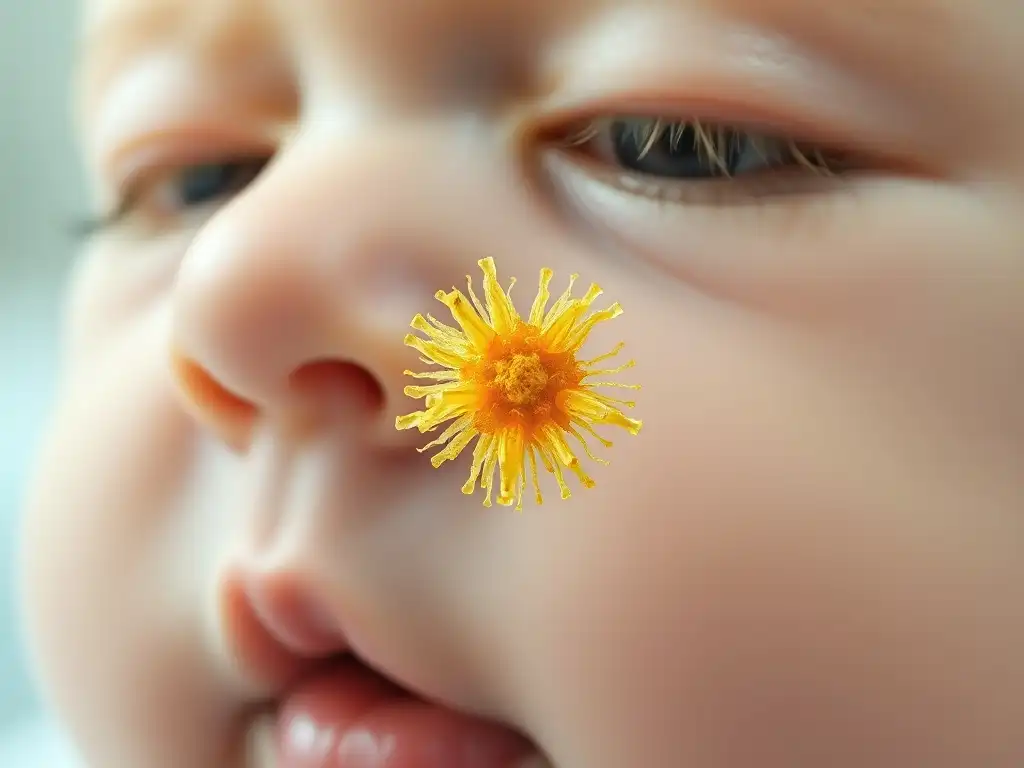
Infant asthma is a significant concern for many parents, and understanding its triggers is crucial for effective management. Pollen, a common allergen, frequently plays a substantial role in exacerbating asthma symptoms in babies. While not all babies with asthma are sensitive to pollen, recognizing its potential impact is vital for early intervention and prevention of severe respiratory distress.
This section will delve into the specifics of how pollen affects babies with asthma, focusing on seasonal variations, common pollen types, and geographical influences. Early identification of pollen as a trigger can help parents and pediatricians develop effective strategies to minimize exposure and manage symptoms, improving the baby's quality of life and reducing the frequency and severity of asthma attacks.
Seasonal Pollen Peaks and Asthma Exacerbations
Pollen counts fluctuate dramatically throughout the year, directly correlating with seasonal changes and the blooming cycles of various plants. These fluctuations significantly impact the severity of asthma symptoms in susceptible infants. For example, tree pollen typically peaks in early spring, causing a rise in asthma-related emergency room visits in many regions. Grass pollen follows in late spring and summer, while weed pollen often peaks in late summer and autumn. This seasonal pattern is crucial for parents to understand. Tracking local pollen counts, readily available through weather reports or allergy websites, can provide valuable insights into potential asthma flare-ups.
Parents should note that even low pollen counts can trigger symptoms in highly sensitive infants. A seemingly insignificant increase in pollen levels might lead to increased coughing, wheezing, or difficulty breathing. Maintaining a daily record of pollen levels alongside the baby's symptoms can help establish a clear correlation and aid in developing a personalized asthma management plan with the pediatrician. This proactive approach can significantly reduce the severity and frequency of asthma exacerbations. Regular communication with the baby's healthcare provider is essential to adjust medication and preventative measures as needed throughout the year.
Common Pollen Types and Their Impact on Baby Asthma
Different types of pollen vary in their allergenic potency and the time of year they are prevalent. Understanding these variations is essential for targeted preventative measures. Some of the most common pollen culprits for baby asthma include:
- Tree pollen: Oak, birch, maple, and pine pollen are notorious for causing significant allergic reactions. These trees release large amounts of pollen during the spring months.
- Grass pollen: Timothy, rye, and Bermuda grass pollens are prevalent allergens during the summer. These pollens are often wind-borne, increasing their dispersal and potential for exposure.
- Weed pollen: Ragweed, pigweed, and sagebrush are significant allergens that release pollen in the late summer and fall. Their pollen is known for its high allergenic potency and long-range dispersal.
The severity of a baby's reaction to specific pollen types can vary significantly. Some babies may exhibit mild symptoms like sneezing and a runny nose, while others may experience more severe reactions such as wheezing, coughing fits, and difficulty breathing. Accurate identification of the specific pollen(s) causing the reactions is crucial for effective treatment. Skin prick tests or blood tests can help determine specific pollen sensitivities, allowing for personalized management strategies.
Geographic Variations in Pollen Counts and Asthma Risk
The geographic location plays a significant role in the type and amount of pollen present in the air, directly impacting asthma risk in babies. Areas with high concentrations of specific plants will naturally exhibit higher pollen counts during those plants' blooming seasons. Coastal regions might have lower pollen counts compared to inland areas due to ocean breezes dispersing pollen. Urban areas, while potentially having reduced pollen from certain plant types, may experience higher levels of other pollutants that can exacerbate asthma symptoms.
For example, regions with a high concentration of oak trees will experience higher oak pollen counts during spring, potentially triggering more severe asthma episodes in sensitive infants living in those areas. Similarly, areas with prevalent grass species will have higher grass pollen counts during summer. Understanding the regional pollen profile is crucial for parents and healthcare professionals.
Consulting local allergy specialists or using online resources that provide region-specific pollen forecasts can help families better prepare for potential asthma triggers. This geographical awareness allows for more informed decision-making regarding preventative measures and environmental controls. It's essential to remember that even a seemingly small change in location can significantly impact pollen exposure and the severity of asthma symptoms.
Diagnosing Pollen-Induced Asthma in Infants
Infants, with their developing respiratory systems, are particularly vulnerable to pollen-induced asthma exacerbations. Diagnosing this condition requires careful observation, a detailed medical history, and appropriate testing. Successfully identifying pollen as a trigger is crucial for implementing effective management strategies and improving your baby's quality of life. Early diagnosis and intervention are key to preventing severe asthma attacks and long-term complications. Remember, this information is for educational purposes and should not replace professional medical advice. Always consult your pediatrician or a qualified allergist for any concerns regarding your baby's health.
Doctor's Visit: When to Seek Medical Attention for Baby's Cough
A persistent cough, especially one accompanied by wheezing, shortness of breath, or difficulty breathing, warrants immediate medical attention. While a simple cough might be caused by a minor viral infection, recurrent or worsening symptoms could indicate asthma triggered by pollen or other allergens. Other warning signs include:
- Increased respiratory rate (rapid breathing)
- Wheezing sounds during inhalation or exhalation
- Retractions (sunken areas between the ribs or under the collarbone)
- Nasal flaring (widening of the nostrils during breathing)
- Bluish discoloration of the lips or skin (cyanosis) – a serious sign requiring immediate emergency care.
Don't hesitate to contact your pediatrician if your baby exhibits any of these symptoms, particularly during pollen seasons. Early intervention can significantly improve your baby's prognosis and prevent more serious complications. Accurate record-keeping, noting the timing and severity of symptoms, will be invaluable during your doctor's visit. This detailed information helps your doctor understand the pattern of your baby's symptoms and identify potential triggers, like pollen exposure during specific times of the year. The timing of symptom onset in relation to pollen counts can be especially helpful in making a diagnosis.
Allergy Testing for Babies: Skin Prick Tests and Blood Tests
Diagnosing pollen allergies in infants often involves allergy testing. Two common methods are skin prick tests and blood tests.
- Skin Prick Tests: This is a relatively quick and non-invasive procedure. A small amount of diluted allergen extract (in this case, pollen extracts) is pricked onto the skin. A positive reaction, indicating an allergy, manifests as a raised, itchy wheal (similar to a mosquito bite) within 15-20 minutes. Skin prick tests are generally safe for infants, but your doctor will assess your baby's overall health before proceeding. The test is usually performed on the forearm or back.
- Blood Tests (RAST): Radioallergosorbent tests (RAST) measure the level of IgE antibodies in your baby's blood that are specific to certain allergens. This test is particularly useful if your baby has skin conditions that may interfere with the accuracy of a skin prick test. Blood tests are less sensitive than skin prick tests, meaning they might not detect all allergies. However, they are a valuable alternative in certain situations.
The choice between skin prick tests and blood tests depends on several factors, including your baby's age, overall health, and the doctor's assessment. Your pediatrician will discuss the best approach for your baby's specific situation. Remember to openly communicate any concerns you have about the testing process.
Interpreting Allergy Test Results for Pollen Sensitivity
Interpreting allergy test results requires a healthcare professional's expertise. A positive result doesn't automatically mean your baby has asthma, but it indicates a sensitivity to specific pollens. The severity of the reaction (the size of the wheal in a skin prick test or the IgE level in a blood test) can help determine the extent of the allergy. A strong positive reaction suggests a higher likelihood of pollen-induced asthma exacerbations.
However, a negative test doesn't entirely rule out pollen allergy, as some allergies might not be detected by these tests. Your doctor might consider other factors, such as your baby's medical history and symptom presentation, to reach a comprehensive diagnosis. The results are then used, along with clinical assessment and history, to create a personalized management plan.
This might include medication to control symptoms, allergen avoidance strategies, and environmental modifications to minimize pollen exposure. Regular follow-up visits are essential to monitor your baby's progress and adjust the management plan as needed. Remember, proactive management is key in mitigating the impact of pollen allergies on your baby's respiratory health.
Managing Baby Asthma During Pollen Season

This section focuses on practical strategies for managing your baby's asthma symptoms during peak pollen seasons. Understanding how pollen affects your baby's respiratory system is crucial for effective management. Remember, this information is for educational purposes and should not replace advice from your pediatrician or allergist. Always consult your healthcare provider before making any changes to your baby's treatment plan.
Minimizing Pollen Exposure at Home
Pollen is a pervasive allergen, making complete avoidance impossible. However, you can significantly reduce your baby's exposure at home through several proactive steps. These measures focus on creating a pollen-free sanctuary where your little one can breathe easier.
Minimizing pollen indoors involves a multi-pronged approach:
- Regular Cleaning: Frequent cleaning, especially vacuuming and dusting, is paramount. Opt for a vacuum cleaner with a HEPA filter to trap microscopic pollen particles. Dust regularly, paying close attention to surfaces your baby frequently touches. Consider using damp cloths instead of dry ones to prevent pollen from becoming airborne.
- Air Conditioning: Using air conditioning can dramatically reduce pollen levels inside your home. Ensure your AC unit's filters are clean and changed regularly. This prevents recirculation of pollen already trapped within the system. Consider investing in a high-efficiency particulate air (HEPA) filter for your air conditioner.
- Window Management: Keep windows and doors closed, especially during peak pollen hours (typically early morning and late afternoon). This prevents pollen from entering your home. If you need to ventilate, do so during periods of lower pollen counts, which may vary depending on your location and the specific pollen type.
- Laundry: Pollen can cling to clothing and bedding. Wash all bedding, including blankets, sheets, and crib liners, weekly in hot water. Air-dry clothes outdoors only when pollen counts are low.
Baby-Safe Air Purifiers and Filters
Air purifiers equipped with HEPA filters are invaluable in removing airborne allergens, including pollen, from your baby's environment. However, selecting the right purifier is crucial, prioritizing safety features:
- HEPA Filter Certification: Look for air purifiers explicitly certified to remove pollen and other allergens. Ensure the HEPA filter is the appropriate size for the room. Larger rooms require more powerful units with larger filters.
- Safety Features: Choose a purifier with safety features designed for babies. This includes a secure casing to prevent access to internal components and a quiet operation to avoid disturbing your baby's sleep. Avoid units with sharp edges or small parts that your baby could detach.
- Placement: Strategically place the air purifier in your baby's room, away from reach. Ensure proper ventilation around the unit, allowing for efficient airflow.
- Regular Maintenance: Regular filter changes are non-negotiable. A clogged filter reduces effectiveness and could even become a breeding ground for bacteria. Follow the manufacturer's guidelines for filter replacement to maintain optimum performance. Regular cleaning of the unit’s outer casing is also important.
Medication Management for Baby Asthma
Medication plays a crucial role in managing baby asthma, especially during pollen season. Closely follow your pediatrician's instructions regarding medication dosages and administration.
- Inhalers: If your baby uses an inhaler, ensure you're using a spacer for accurate medication delivery. This prevents medication from depositing on the back of the throat. Practice proper inhaler technique to optimize effectiveness.
- Oral Medications: Oral medications, if prescribed, should be administered precisely as directed by your doctor. Never adjust the dosage without consulting your pediatrician. Keep medications out of your baby's reach.
- Emergency Plan: Have a clear emergency plan in place in case your baby experiences a severe asthma attack. Know the signs of an asthma attack and how to respond appropriately. This includes having your baby's emergency medication readily available and knowing when to seek immediate medical attention.
Remember that consistent medication adherence is key to managing your baby's asthma effectively throughout the year, particularly during pollen season. Regular check-ups with your pediatrician are essential to monitor your baby's progress and adjust the treatment plan as needed.
When to Use a Rescue Inhaler for Baby Asthma Attacks
Knowing when to use a rescue inhaler is crucial for managing your baby's asthma during pollen season. A rescue inhaler, typically containing albuterol, is a short-acting medication designed to quickly relieve asthma symptoms like wheezing, coughing, and shortness of breath. It's not a preventative medication; it addresses acute symptoms as they arise. Using it correctly is paramount to ensuring your baby's comfort and safety.
Parents often feel anxious about using inhalers, especially with infants. However, with proper training from your pediatrician or a respiratory therapist, administering the medication via a spacer device becomes straightforward. The spacer ensures the medication reaches your baby's lungs effectively and minimizes the amount lost in the air.
It's important to understand that not every cough or wheeze warrants rescue inhaler use. Mild coughing or occasional wheezing, particularly if it doesn't interfere with your baby's feeding, sleeping, or overall activity, may not require immediate intervention. However, you should be vigilant for worsening symptoms.
Signs indicating your baby needs a rescue inhaler include:
- Increased wheezing, especially if it's persistent and high-pitched.
- Difficulty breathing, characterized by rapid breathing, grunting, or nasal flaring.
- Retractions (the skin between the ribs or under the collarbone pulling inward with each breath).
- Increased irritability or restlessness, suggesting discomfort from breathing difficulties.
- A bluish tint to the lips or fingernails (cyanosis), indicating a severe lack of oxygen.
If you observe any of these signs, administer the prescribed dose of your baby's rescue inhaler immediately. Always follow your pediatrician's instructions precisely regarding dosage and frequency. If symptoms don't improve within a few minutes, or if they worsen, seek immediate medical attention. This is particularly crucial if your baby displays signs of severe respiratory distress.
Remember, it's always better to err on the side of caution. Early intervention can prevent a minor episode from escalating into a serious one. Regular check-ups with your pediatrician are essential for monitoring your baby's asthma and adjusting their treatment plan as needed. Don't hesitate to contact your doctor if you have any concerns or questions regarding your baby's inhaler use or asthma management.
Preventing Asthma Attacks Triggered by Pollen

This section focuses on proactive strategies to minimize your baby's exposure to pollen, a significant trigger for asthma exacerbations. Understanding pollen's impact and implementing preventative measures is crucial for managing your baby's respiratory health. We'll explore practical steps to create a safer environment and reduce the likelihood of asthma attacks. Remember, consulting your pediatrician is essential for personalized advice tailored to your baby's specific needs and health history. Early intervention and consistent management are key to mitigating the effects of pollen-induced asthma.
Creating a Pollen-Free Environment for Your Baby
Creating a pollen-free environment for your baby isn't about achieving complete sterility, but rather significantly reducing pollen exposure. Think of it as a layered approach, combining various strategies to minimize risk. Simple changes can make a big difference.
First, consider air filtration. High-efficiency particulate air (HEPA) filters are highly effective at trapping pollen particles. Place a HEPA filter air purifier in your baby's room, ideally running it continuously, especially during peak pollen seasons. Regularly changing the filter is crucial for maintaining its effectiveness. Consider additional purifiers in other frequently used areas of your home.
Second, limit outdoor time during peak pollen hours. Pollen counts typically peak in the late morning and early afternoon. Schedule outdoor activities for early morning or late evening when pollen levels are generally lower. If you must go out during peak hours, dress your baby appropriately (more on that in the next section) and consider using a stroller cover or carrier to further reduce exposure.
Third, regular cleaning is paramount. Pollen can easily accumulate on surfaces. Vacuum and dust frequently using a vacuum cleaner with a HEPA filter. Wash bedding, curtains, and soft furnishings regularly in hot water. Damp dusting is preferable to dry dusting, as it helps trap pollen particles instead of scattering them. Remember to wash your baby's clothes and blankets frequently as well.
Finally, consider pollen-resistant plants for your garden. While eliminating all plants might be impractical, opting for low-pollen or pollen-free varieties can significantly reduce pollen levels around your home.
Clothing and Bedding Choices to Reduce Pollen Exposure
The fabrics you choose for your baby's clothing and bedding can directly impact their pollen exposure. Natural fibers are generally better at trapping pollen than synthetic ones. However, choosing the right material is only half the battle; washing and drying methods also play a critical role.
- Clothing: Opt for cotton clothing for your baby. Cotton is a breathable natural fiber that is less likely to trap pollen. Avoid synthetic fabrics like polyester, which can hold onto pollen particles more readily. Always wash new clothes before dressing your baby to remove any residual manufacturing dust or chemicals.
- Bedding: Similar to clothing, cotton sheets, blankets, and mattress covers are preferable. Regular washing in hot water (at least 130°F) is essential to effectively remove pollen from fabrics. Consider using hypoallergenic mattress and pillow protectors to further reduce allergen exposure. Drying clothes and bedding outdoors should be avoided during high pollen seasons.
- Washing Techniques: Thorough washing and drying are crucial. Use a good quality laundry detergent and ensure that clothes and bedding are completely dry before use. Consider using a dryer with a high heat setting to kill pollen and other allergens.
Monitoring Pollen Counts in Your Area
Staying informed about local pollen counts is a vital part of managing your baby's asthma. Many weather websites and apps provide daily pollen forecasts, specifying the predominant pollen types (grass, tree, weed, etc.) and their concentrations. Regularly checking these forecasts allows you to anticipate high-pollen days and take preventative measures, such as keeping your baby indoors or using air purifiers more frequently. Knowing the specific pollen types prevalent in your area helps you tailor your preventative strategies.
For example, if tree pollen is high, you might need to take extra precautions during the spring months. This proactive approach, combined with close monitoring of your baby's symptoms, is crucial for effective asthma management. Remember to consult with your pediatrician or allergist to develop a personalized management plan. They can provide valuable insights and guidance based on your baby's specific needs and the pollen profile of your region.
Seasonal Adjustments to Baby's Routine
Seasonal changes, particularly those marked by high pollen counts, necessitate adjustments to your baby's routine to minimize asthma trigger exposure. This isn't about drastic overhauls, but rather thoughtful modifications that can make a significant difference in your little one's comfort and respiratory health. For example, during peak pollen seasons (typically spring and fall, depending on your geographic location and specific allergens), consider modifying outdoor playtime.
Instead of scheduling outings during the midday when pollen counts are typically highest, opt for early mornings or late evenings when pollen levels tend to be lower. This simple shift can dramatically reduce your baby's exposure to airborne allergens.
Furthermore, think about the air quality inside your home. Pollen can easily hitch a ride on clothing and shoes, so establishing a "no shoes" policy indoors is a good preventative measure. Regularly washing bedding, blankets, and stuffed animals in hot water can also remove pollen that may have accumulated. Consider using a HEPA air purifier, especially in your baby's room, to filter out pollen and other airborne particles. These purifiers are particularly beneficial during high pollen seasons, providing a cleaner breathing environment for your baby. Remember to always check the manufacturer's instructions for proper usage and filter replacement.
Another crucial aspect is monitoring your baby's symptoms closely. Even with preventative measures in place, some pollen exposure might be unavoidable. Therefore, be vigilant for any signs of worsening asthma, such as increased coughing, wheezing, or difficulty breathing. If you notice any changes in your baby's breathing patterns or an increase in asthma symptoms, don't hesitate to consult your pediatrician.
Early intervention is key to managing asthma effectively and preventing serious complications. Regular communication with your pediatrician is essential, especially during peak pollen seasons, to discuss any adjustments to your baby's medication or treatment plan as needed. This proactive approach can help ensure your baby's respiratory health remains stable throughout the year. Remember, a proactive approach to managing your baby's asthma, particularly in relation to pollen triggers, is paramount to ensuring their well-being and healthy development.
Supporting Your Baby's Respiratory Health Year-Round
Protecting your baby's respiratory system is crucial, especially when dealing with seasonal allergens like pollen, a significant contributor to baby asthma pollen triggers. A proactive approach to respiratory health goes beyond simply managing asthma symptoms during pollen season. It involves a year-round commitment to building a strong foundation for your little one's well-being.
This means focusing on preventative measures to minimize the risk of respiratory infections and strengthen their immune system's response to irritants. A robust respiratory system is better equipped to handle seasonal challenges, reducing the severity of asthma symptoms and the frequency of flare-ups. Remember, even seemingly minor respiratory issues can significantly impact your baby's comfort and development.
Healthy Diet for Baby's Lungs
Nutrition plays a vital role in supporting your baby's respiratory health. A balanced diet rich in fruits, vegetables, and whole grains provides essential vitamins and minerals that contribute to a strong immune system. Breast milk, if feasible, offers unparalleled protection, containing antibodies and nutrients that bolster your baby's defenses against respiratory infections.
Introducing solid foods should be gradual and carefully monitored, paying attention to any potential allergic reactions that might trigger or worsen respiratory symptoms. For example, certain foods like dairy, eggs, and peanuts are common allergens and should be introduced cautiously, ideally under the guidance of your pediatrician. Monitoring your baby's response to new foods is key to identifying potential triggers.
Consider these nutritional strategies:
- Breastfeeding: If possible, continue breastfeeding exclusively for the first six months, and then gradually introduce solids.
- Variety of Fruits and Vegetables: Offer a wide range of colorful fruits and vegetables to ensure a diverse intake of vitamins and antioxidants.
- Whole Grains: Opt for whole-grain options over refined grains for better fiber and nutrient content.
- Avoid Processed Foods: Minimize the intake of processed foods, sugary drinks, and excessive amounts of saturated and unhealthy fats.
- Hydration: Ensure your baby is adequately hydrated, especially during periods of illness or increased respiratory irritation.
Importance of Regular Check-ups with Pediatrician
Regular check-ups with your pediatrician are essential for proactive respiratory health management. These visits allow for early detection of any respiratory issues, including asthma. Your pediatrician can assess your baby's lung function, identify potential triggers (like pollen), and recommend appropriate preventative measures. Early intervention is key in managing asthma and minimizing the impact of pollen triggers.
Don't hesitate to contact your pediatrician if you notice any changes in your baby's breathing, such as wheezing, coughing, or difficulty breathing. Even subtle changes should be reported to ensure prompt attention and appropriate care. This proactive approach is crucial for preventing complications and ensuring your baby's optimal well-being. Remember, routine check-ups are not just about addressing existing problems; they're about building a strong foundation for long-term respiratory health.
Strengthening Baby's Immune System
A robust immune system is your baby's first line of defense against respiratory infections and allergens, including pollen—a significant factor in baby asthma pollen triggers. While you can't completely shield your baby from exposure to allergens, you can strengthen their immune system to better cope with these environmental triggers. This involves several strategies, including:
- Hygiene Practices: Maintain good hygiene practices by washing your hands frequently and thoroughly, particularly before handling your baby.
- Avoiding Exposure to Sick People: Limit exposure to individuals who are sick to reduce the risk of infection.
- Vaccination: Ensure your baby receives all recommended vaccinations to protect them from various respiratory illnesses. Vaccines significantly reduce the risk and severity of many infections.
- Clean Air: Maintain a clean and well-ventilated environment at home. Regularly clean surfaces to minimize dust and other irritants. Consider using an air purifier, especially during pollen season.
Remember, a holistic approach to respiratory health, incorporating dietary choices, regular check-ups, and immune system support, provides the best defense against seasonal challenges and significantly contributes to your baby's overall well-being. This proactive strategy helps mitigate the impact of allergens like pollen and minimizes the risk and severity of asthma flare-ups. 👶
Promoting Healthy Sleep Habits for Better Respiratory Function
Sufficient sleep is crucial for a baby's overall health and development, including their respiratory system. During sleep, the body repairs and rejuvenates itself, and this is particularly important for babies whose respiratory systems are still developing. A well-rested baby is better equipped to fight off infections and manage conditions like asthma. Poor sleep, on the other hand, can weaken the immune system, making your baby more susceptible to respiratory illnesses.
One of the most important aspects of promoting healthy sleep is establishing a consistent sleep routine. This involves creating a calming bedtime ritual, such as a warm bath, a gentle massage, or reading a book. Consistency is key; try to put your baby to bed and wake them up around the same time each day, even on weekends, to regulate their internal body clock.
This helps establish a predictable sleep-wake cycle, crucial for healthy sleep patterns. A dark, quiet, and cool room is also essential for optimal sleep. Consider using blackout curtains or a white noise machine to minimize distractions and create a conducive sleep environment.
Another factor to consider is the baby's sleep position. Always place your baby on their back to sleep to reduce the risk of Sudden Infant Death Syndrome (SIDS). Avoid placing soft objects, such as pillows or blankets, in the crib, as these can pose a suffocation risk. A firm mattress and a well-fitting crib sheet are recommended. Furthermore, ensuring your baby isn't overheated is vital; overheating can lead to increased respiratory distress. Dress your baby in lightweight clothing appropriate for the room temperature.
Finally, pay attention to your baby's feeding habits. Ensure they are adequately nourished, as malnutrition can weaken the immune system and make them more prone to respiratory infections. If you are breastfeeding, maintain a healthy diet yourself to ensure your baby receives the necessary nutrients. If you are formula-feeding, consult your pediatrician to choose the most appropriate formula for your baby's needs.
Addressing any underlying feeding issues promptly is also important for promoting healthy sleep and overall respiratory health. Remember, a healthy, well-rested baby is less likely to experience respiratory problems. Establishing and maintaining healthy sleep habits is a significant step in supporting your baby's respiratory health year-round.
Frequently Asked Questions
What is the link between pollen and infant asthma?
Pollen is a common environmental allergen that can trigger asthma symptoms in infants. Exposure to high pollen counts can lead to increased inflammation in the airways, causing wheezing, coughing, and shortness of breath. Early identification is key.
Symptoms often appear during pollen season, coinciding with increased pollen counts. Look for patterns in your baby's coughing, wheezing, or difficulty breathing. Keep a detailed symptom diary to track potential triggers.
What are some ways to reduce my baby's exposure to pollen?
Keep windows and doors closed on high-pollen days. Use an air purifier with a HEPA filter. Regularly change bedding and clothing. Consider bathing your baby at night to remove pollen.
My baby has asthma. What should I do during peak pollen season?
Closely monitor your baby's symptoms. Follow your doctor's prescribed treatment plan. Avoid outdoor activities on high-pollen days, and consider using medications as prescribed to manage symptoms.
When should I take my baby to the doctor about asthma and pollen?
Seek immediate medical attention if your baby experiences difficulty breathing, wheezing, or rapid breathing. Consult your pediatrician if you suspect pollen is triggering your baby's asthma or if symptoms worsen.
Final Reflection: Breathing Easier: Understanding and Managing Baby Asthma Triggers
The pervasive threat of pollen-induced asthma in infants is a stark reality for countless families, demanding immediate attention and proactive strategies. This isn't just a seasonal inconvenience; it's a critical health concern impacting the well-being and development of vulnerable children. Early identification and management of pollen triggers are paramount to ensuring healthy growth and minimizing the long-term effects of this debilitating condition.
The impact of pollen on infant respiratory health extends far beyond the immediate symptoms; it shapes the entire family dynamic, influencing lifestyle choices, parenting strategies, and even long-term healthcare planning. The constant worry, the sleepless nights, the limitations placed on outdoor activities – these are all realities for families navigating this challenge. The most important thing is to never give up hope. Even when things seem darkest, there is always a light to be found.
This sentiment, though not directly about asthma, perfectly encapsulates the resilience and hope required to manage this condition effectively.
You, as a parent or caregiver, now possess a deeper understanding of the link between pollen and infant asthma. Take this knowledge and use it to advocate for your child's health. Don't hesitate to consult with your pediatrician, implement preventative measures based on local pollen counts, and create a safe and comfortable environment for your little one to thrive. Your proactive approach can significantly improve their quality of life and pave the way for a healthier, happier future. Remember, you are your child's strongest advocate, and armed with knowledge, you can make a real difference.
Breathe Easier: Take Control of Your Baby's Asthma
Thank you for learning about infant asthma and its triggers, such as pollen. We hope this information empowers you to better protect your child. Now, let's put this knowledge into action!
- Track pollen levels and your baby's symptoms: Monitor local pollen counts and note any symptoms your baby experiences to identify patterns and potential triggers. This will be invaluable for proactively managing your baby's asthma.
- Connect with other parents: Join our BabyCareHub community forum – sharing your experiences can help other families facing similar challenges.
- Explore allergy-friendly recipes: Discover delicious and nutritious meal ideas designed to support your baby's respiratory health.
What steps will you take today to better manage your baby's asthma and seasonal allergies?