
Is Your Baby's Sleep Space Safe? A Checklist for Parents

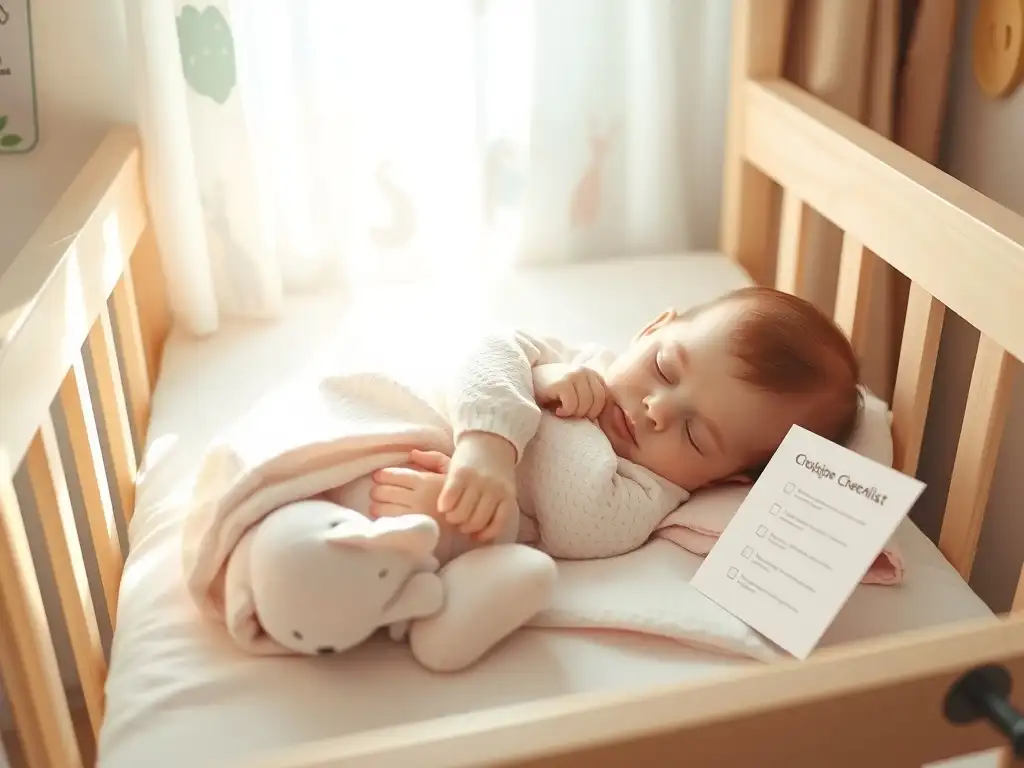
Welcome to BabyCareHub, your ultimate guide to navigating the exciting yet challenging world of parenthood! Are you ready to create a haven of safety and comfort for your little one? We know that ensuring your baby's sleep space is secure is paramount, which is why we've created a vital Baby sleep space safety checklist. Discover expert advice and practical steps to build a secure and peaceful sleep environment for your newborn, ensuring sweet dreams for both you and your baby. Let's dive in and explore how you can prioritize safety while fostering healthy sleep habits!
- Creating a Safe Sleep Environment for Your Baby: A Step-by-Step Guide
- Baby Sleep Space Safety Checklist: Room Preparation
- Baby Sleep Space Safety Checklist: Crib and Bedding
- Baby Sleep Space Safety Checklist: Additional Safety Measures
- Baby Sleep Space Safety Checklist: Monitoring Your Baby's Sleep
- Maintaining a Consistent Safe Sleep Routine for Your Baby
-
Frequently Asked Questions
- What is the most important aspect of baby sleep space safety?
- What should I avoid placing in my baby's crib or sleep space?
- How can I create a safe sleep environment for my baby?
- At what age can my baby safely sleep in a different bed than mine?
- What are some signs that my baby's sleep space might be unsafe?
- Final Reflection: Securing Sweet Dreams: A Legacy of Safe Sleep
- Unveil Your Baby's Safe Sleep Sanctuary
Creating a Safe Sleep Environment for Your Baby: A Step-by-Step Guide
Creating a safe sleep space for your newborn is paramount for their well-being and healthy development. This comprehensive guide provides a step-by-step checklist to ensure your baby's sleep environment minimizes risks and promotes peaceful, safe sleep. Navigating the world of baby sleep can be overwhelming for first-time parents, but by following these simple yet crucial guidelines, you can significantly reduce the risk of Sudden Infant Death Syndrome (SIDS) and other sleep-related incidents.
This checklist covers essential aspects of baby sleep space safety, from choosing the right crib to understanding the importance of a firm sleep surface. We'll delve into the specifics to help you create a haven where your little one can sleep soundly and safely.
Remember, a safe sleep environment is a crucial component of healthy baby development, contributing to their overall well-being and peace of mind for you, as parents. This guide will help you master the essentials of a safe and secure sleep space for your precious baby.
Understanding Safe Sleep Practices for Infants
Safe sleep practices are crucial for minimizing the risk of SIDS and other sleep-related infant deaths. The American Academy of Pediatrics (AAP) recommends several key guidelines, which form the foundation of this checklist. These practices emphasize creating a sleep environment that reduces risks and promotes healthy sleep patterns. Let's explore some critical aspects:
- Always place your baby on their back to sleep. This significantly reduces the risk of SIDS. Avoid placing your baby on their side or stomach.
- Use a firm sleep surface. Avoid soft surfaces like waterbeds, sofas, or armchairs. A firm mattress in a crib or bassinet is essential.
- Keep the sleep area free from loose bedding. This includes blankets, pillows, bumpers, and stuffed animals. These items can pose suffocation risks.
- Maintain a comfortable room temperature. Avoid overheating, which can increase the risk of SIDS. A comfortable room temperature is ideal.
- Consider room sharing (but not bed sharing). Room sharing for at least the first six months is recommended, but always place your baby in their own crib or bassinet. Avoid bed-sharing, as it significantly increases the risk of SIDS.
- Breastfeeding is recommended. Breastfeeding has been associated with a reduced risk of SIDS.
- Pacifier use is encouraged. Offering a pacifier at bedtime and during naps after breastfeeding is established can also reduce SIDS risk.
- Regular check-ups with your pediatrician. Regular check-ups are essential for monitoring your baby's health and development and addressing any concerns.
The Importance of a Firm Sleep Surface for Baby Safety
A firm sleep surface is one of the most critical aspects of safe sleep for infants. Soft surfaces, such as adult beds, couches, or even overly plush mattresses, can create a suffocation hazard. Babies' small bodies can easily get trapped in soft bedding, restricting their breathing. A firm mattress ensures that your baby's airway remains unobstructed throughout the night.
This is why a firm mattress in a properly fitted crib or bassinet is non-negotiable for a safe sleep environment. The mattress should fit snugly within the crib, leaving minimal space between the mattress and the crib sides. Avoid using waterbeds, beanbag chairs, or other soft surfaces as a sleep space for your baby. Remember, a firm, flat surface is key to minimizing the risk of suffocation and promoting safe sleep.
Choosing the Right Crib or Bassinet: Size and Safety Features
Selecting the appropriate crib or bassinet is a crucial step in ensuring your baby's sleep space is safe. The crib or bassinet should meet all current safety standards. Here’s what to look for:
| Feature | Description | Importance |
|---|---|---|
| Firm Mattress | The mattress should be firm and fit snugly within the crib, with minimal space between the edges. | Prevents suffocation and ensures a safe sleep surface. |
| Crib Slats | Slats should be spaced no more than 2 3/8 inches apart to prevent your baby's head from getting stuck. | Prevents entrapment and potential injury. |
| No Drop-Side | Cribs with drop-sides are no longer recommended due to safety concerns. | Eliminates the risk of the drop-side malfunctioning and causing injury. |
| Stable Construction | The crib should be sturdy and well-constructed to prevent collapse. | Ensures the safety and stability of the crib. |
| Proper Assembly | Follow the manufacturer's instructions carefully when assembling the crib. | Incorrect assembly can compromise the safety and stability of the crib. |
| Size | Choose a crib that meets current safety standards and is appropriately sized for your baby. | Ensures that your baby has enough space to sleep comfortably and safely. |
Remember to regularly inspect your baby's crib or bassinet for any signs of damage or wear and tear. Replace any damaged parts immediately. Prioritizing these safety features will contribute significantly to a safe and secure sleep environment for your baby. 😴
Baby Sleep Space Safety Checklist: Room Preparation
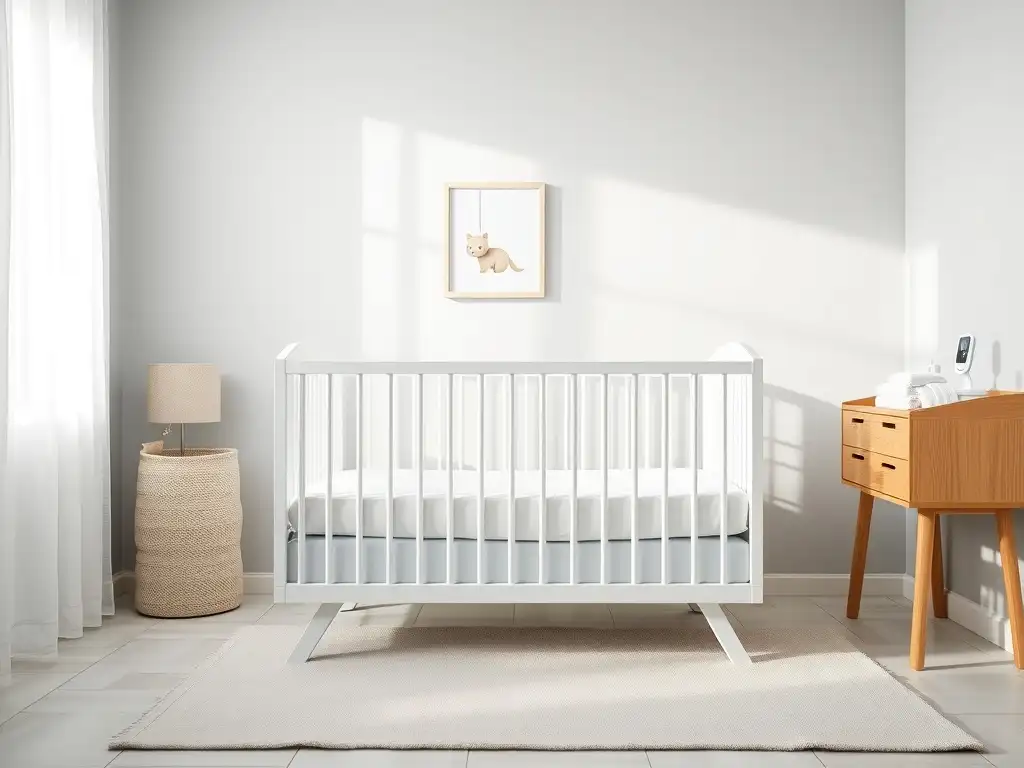
This section focuses on preparing your baby's sleep space to ensure a safe and conducive environment for healthy sleep. Creating a secure sleep environment is paramount for minimizing the risk of Sudden Infant Death Syndrome (SIDS) and promoting optimal sleep for your little one. This checklist will guide you through the essential steps to optimize your baby's room for sleep. We'll cover temperature control, ventilation, and minimizing environmental disturbances. Remember, consistency in these practices is key to establishing healthy sleep habits and a safe sleep space.
Optimizing Room Temperature for Infant Sleep
The ideal room temperature for your baby's sleep space is between 68°F and 72°F (20°C and 22°C). This range helps prevent overheating, a known risk factor for SIDS. Overheating can be identified by a sweaty forehead or feeling unusually warm to the touch. Avoid overdressing your baby; a lightweight sleep sack or pajamas are usually sufficient.
Maintaining a consistent temperature is crucial. Consider using a room thermometer to monitor the temperature accurately. If you live in a climate with fluctuating temperatures, invest in a thermostat to maintain a steady environment throughout the day and night. Regularly check the temperature, especially during seasonal changes, to ensure it remains within the recommended range. Remember that babies regulate their temperature differently than adults, so it's vital to be vigilant about their comfort level. A slightly cool room is generally safer than a warm one.
Maintaining Proper Room Ventilation and Air Quality
Good ventilation is essential for a healthy sleep environment. A stuffy room can increase the risk of respiratory problems and affect your baby's sleep quality. Ensure proper airflow by opening a window slightly, or using a fan on low speed – ensuring it's placed safely away from the crib and out of reach. However, avoid creating a draft directly on the baby.
Air quality is another critical aspect. Avoid smoking in the house or allowing others to smoke near your baby. Secondhand smoke is extremely harmful to infants and can significantly increase the risk of SIDS. Furthermore, minimize exposure to dust mites and other allergens by regularly cleaning the room. Use hypoallergenic bedding and wash it frequently in hot water. Consider using an air purifier, especially if you live in an area with poor air quality or if your baby suffers from allergies. Regular vacuuming and dusting will also help maintain clean air.
Minimizing Noise and Light Pollution in the Nursery
A dark and quiet environment is ideal for promoting restful sleep. Babies are highly sensitive to light and noise, and excessive stimulation can disrupt their sleep patterns. Use blackout curtains or blinds to minimize light exposure, especially during the daytime. Consider using a nightlight with a low, soft glow if you need some illumination for nighttime feedings or diaper changes, but position it away from the crib.
Minimize noise pollution by reducing household noise during your baby's sleep time. This might involve turning down the television or music, avoiding loud conversations, and ensuring that household appliances are not running unnecessarily. A white noise machine can be helpful in masking disruptive noises from outside the house, creating a consistent and soothing soundscape.
However, ensure the white noise machine is positioned safely away from the crib and is set at a low volume. Remember, a calm and peaceful environment is crucial for your baby's sleep and overall well-being. Prioritizing a quiet and dark sleep space contributes significantly to creating a safe and conducive sleep environment.
Baby Sleep Space Safety Checklist: Crib and Bedding
This section focuses on creating a safe sleep environment for your baby, specifically addressing crib safety and bedding. We'll delve into the specifics of mattress selection, bedding hazards, and proper baby positioning to minimize the risk of Sudden Infant Death Syndrome (SIDS) and other sleep-related accidents. Remember, a safe sleep space is crucial for your baby's well-being and healthy development. This checklist will help you create a haven for your little one.
Selecting Safe Crib Mattresses: Firmness and Fit
A firm mattress is paramount for your baby's safety. A soft mattress increases the risk of suffocation. The mattress should fit snugly within the crib frame; there should be no gaps larger than two fingers between the mattress and the crib sides. This prevents your baby from getting trapped or wedged.
Consider the mattress material. Many parents opt for mattresses made from natural materials like organic cotton or wool, prioritizing breathability and avoiding potentially harmful chemicals. However, the key element is firmness, regardless of the material.
Here's a quick guide to choosing the right mattress:
| Feature | Description | Importance |
|---|---|---|
| Firmness | The mattress should not indent significantly when pressure is applied. | Prevents suffocation and ensures proper spinal support. |
| Fit | Should fit snugly within the crib frame, with minimal gaps between the mattress and sides. | Prevents your baby from getting trapped or wedged between the mattress and crib sides. |
| Material | Natural materials like organic cotton or wool are often preferred for breathability. | While material is a consideration, firmness remains the most critical factor for safe sleep. |
| Waterproof Cover | A waterproof cover adds protection against spills and accidents, facilitating easy cleaning. | Helps maintain mattress hygiene and extends its lifespan. |
Remember to always check the manufacturer's instructions and safety guidelines before using any crib mattress. Regularly inspect the mattress for any signs of wear and tear and replace it if necessary.
Avoiding Loose Bedding: Blankets, Pillows, and Toys
Loose bedding is a significant SIDS risk factor. This includes blankets, pillows, bumpers, stuffed animals, and other soft items. These items can cover your baby's face and obstruct their breathing. For the safest sleep environment, a bare crib is recommended.
Instead of blankets, consider using a wearable sleep sack or swaddle. These provide warmth without the danger of loose bedding. Avoid using pillows until your baby is at least 12 months old and can independently roll over from their stomach to their back.
- No bumpers: Crib bumpers are often marketed as safety devices but are actually a suffocation hazard.
- No pillows: Pillows are unnecessary for babies and pose a significant risk.
- No stuffed animals: Remove all stuffed toys and soft items from the crib.
- No loose blankets: Opt for sleep sacks or swaddles instead.
- Firm fitted sheet: Ensure the fitted sheet is tightly secured to the mattress.
Following these guidelines significantly reduces the risk of suffocation and improves your baby's sleep safety. Remember, a simple, bare crib is the safest option.
Properly Positioning Your Baby in the Crib: Back to Sleep
The "Back to Sleep" recommendation is a cornerstone of safe sleep practices. Always place your baby on their back to sleep, on a firm, flat surface. This significantly reduces the risk of SIDS. Avoid placing your baby on their side or stomach.
Furthermore, ensure your baby's head and face are uncovered. Their sleepwear should be lightweight and loose-fitting to prevent overheating. Overheating is another factor that can contribute to SIDS. Monitor your baby's room temperature; it should be comfortable for you – neither too hot nor too cold.
Additional Tips for Safe Sleep
Consider using a room thermometer to monitor the temperature. Avoid placing your baby to sleep on a couch or armchair, as soft surfaces increase the risk of suffocation. Ensure the crib meets current safety standards and is free from any damage or loose parts. Regularly inspect the crib for any potential hazards.
By following these guidelines diligently, you can create a safe and secure sleep environment for your baby, promoting healthy sleep and development. Remember to consult your pediatrician for personalized advice and address any specific concerns you may have. This checklist provides a solid foundation for ensuring your baby's sleep space is safe and conducive to healthy sleep.
Baby Sleep Space Safety Checklist: Additional Safety Measures
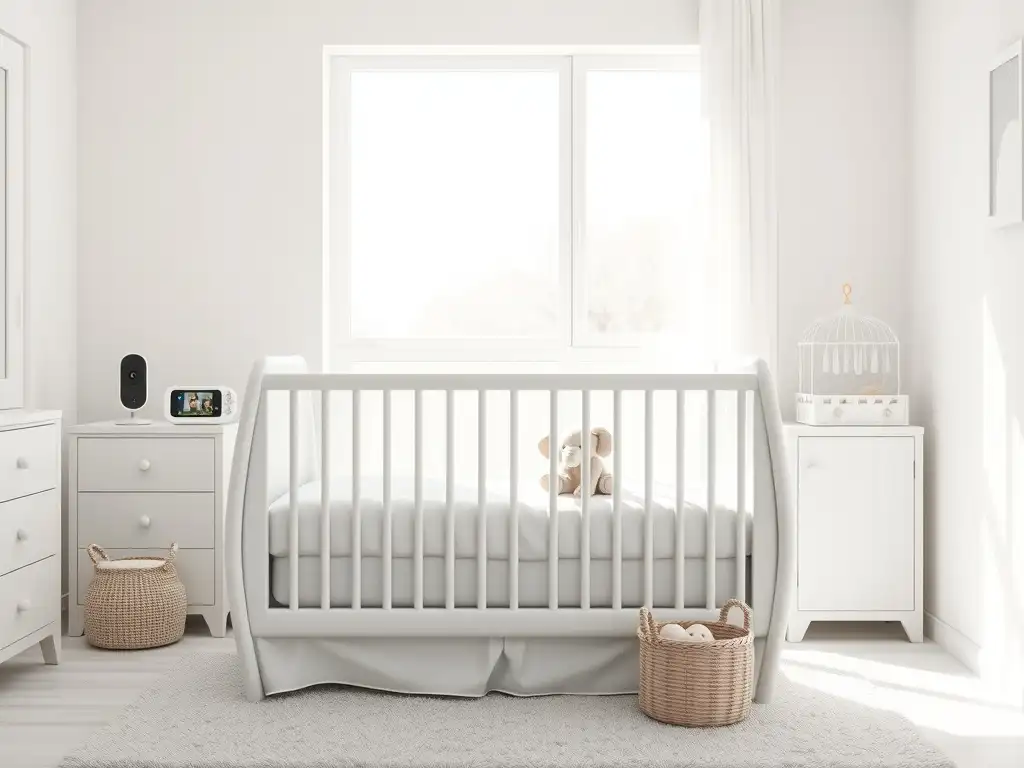
This section expands on the basic baby sleep space safety checklist, providing additional crucial measures to ensure your little one sleeps soundly and safely. Remember, a safe sleep environment significantly reduces the risk of Sudden Infant Death Syndrome (SIDS) and other sleep-related accidents. Prioritizing these extra precautions demonstrates your commitment to your baby's well-being. This detailed checklist will help you create a haven of safety for your precious child, fostering peace of mind for both you and your baby.
Ensuring Safe Sleepwear: Avoiding Overheating
Overheating is a significant risk factor in infant sleep safety. Babies cannot regulate their body temperature as effectively as adults, making them vulnerable to overheating, which can lead to discomfort and, in extreme cases, serious health issues. Choosing the right sleepwear is paramount.
Overdressing your baby can lead to overheating. The ideal sleep attire is a lightweight sleep sack or a cotton onesie. Avoid using blankets, pillows, or stuffed animals in the crib, as these create a suffocation risk. Remember the "one layer more than you" rule — if you're comfortable in a t-shirt, your baby might be comfortable in a lightweight onesie.
Consider the room temperature. A slightly cool room (around 68-72°F or 20-22°C) is ideal. Check your baby's skin frequently to ensure they are not too hot or too cold. If their skin feels clammy or sweaty, remove a layer of clothing. If their hands and feet feel cool, it's usually not a cause for concern, as babies' extremities can be cooler than their core body temperature. Always prioritize comfort and breathability in your baby's sleepwear choices.
Preventing Suffocation Hazards: Avoiding Soft Surfaces
Soft bedding, like fluffy pillows, thick quilts, and plush toys, poses a significant suffocation risk for infants. Babies have weak neck muscles and may not be able to lift their heads to breathe if their face becomes buried in soft materials. The safest sleep surface is a firm, flat mattress that fits snugly within the crib.
A firm mattress provides crucial support and prevents the baby from sinking into the bedding, reducing the risk of suffocation. Avoid using waterbeds, beanbag chairs, or other soft surfaces for sleeping. These surfaces are unstable and offer no support, increasing the risk of positional asphyxia.
Furthermore, ensure your crib mattress fits snugly within the crib frame. There should be no gaps between the mattress and the sides of the crib where your baby could get trapped or suffocated. Regular inspection of the mattress for any tears or damage is crucial. A damaged mattress may not provide adequate support and could pose a safety hazard. Remember, a safe sleep surface is a fundamental element of a safe sleep environment.
Securing Window Coverings and Furniture
Beyond the crib itself, the entire room needs careful attention to ensure safety. Window coverings, such as blinds and curtains, can pose a strangulation hazard if cords are within reach of your baby. Keep all cords out of your baby's reach, or consider using cordless blinds.
Similarly, tall or heavy furniture pieces, such as dressers and bookshelves, should be securely anchored to the wall. Babies are surprisingly strong and can pull themselves up on furniture, leading to potential tipping hazards. Securing furniture prevents accidents and protects your baby from serious injuries.
Regularly inspect your baby's room for potential hazards. Remove any items that could pose a risk, such as loose toys or electrical cords. A safe sleep environment requires constant vigilance and proactive safety measures. By addressing these additional safety measures, you create a nurturing and secure space for your baby's healthy development and peaceful sleep.
Baby Sleep Space Safety Checklist: Monitoring Your Baby's Sleep
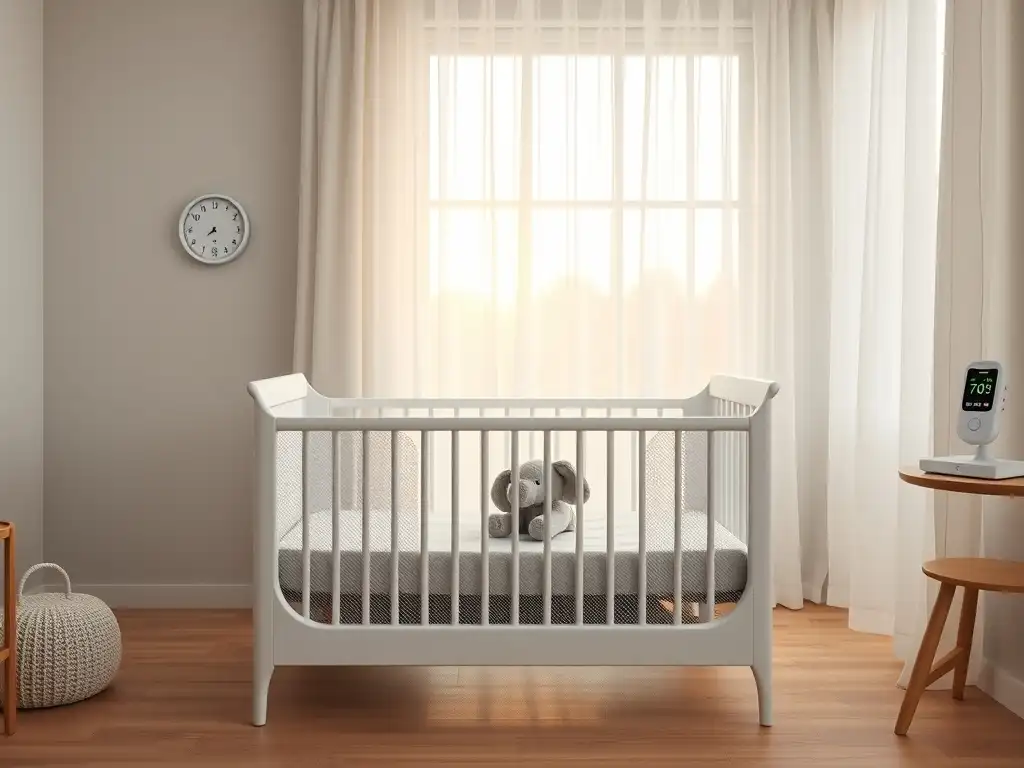
This section focuses on the crucial aspects of monitoring your baby's sleep environment to ensure their safety and well-being. A safe sleep space is paramount for preventing Sudden Infant Death Syndrome (SIDS) and other sleep-related dangers. This checklist provides practical steps to proactively address potential hazards and promote healthy sleep habits for your little one. Remember, consistent vigilance is key to a safe sleep environment. We'll cover checking on your baby, recognizing potential problems, and knowing when to seek professional advice.
Regularly Checking on Your Baby During Sleep
Regularly checking on your baby during sleep is a vital component of ensuring their safety. While it's important to establish healthy independent sleep patterns, periodic checks offer peace of mind and allow for early detection of any issues. The frequency of checks depends on your baby's age and your comfort level.
However, avoid over-checking, as this can disrupt your baby's sleep and inadvertently create a dependency. A good balance involves checking your baby at least once during the night, especially during the first few months. Listen for breathing sounds and gently observe their position. If your baby is sleeping soundly and exhibiting normal breathing patterns, then you should feel reassured.
For example, a schedule might involve a quick check around 2 AM and another check before your own morning wake-up. You can customize this schedule based on your baby's sleep patterns and your own needs. Remember to always use a safe method for checking, such as gently observing from the doorway or using a baby monitor with audio and visual capabilities. Avoid waking your baby unless there is a clear indication of distress. Remember, a well-rested baby and a well-rested parent are key to a happy household! 😴
While regular checks provide reassurance, it's equally crucial to be aware of potential warning signs that might indicate sleep-related problems. These signs could range from subtle changes in breathing patterns to more obvious signs of distress. Being vigilant about these subtle cues can help you react quickly and appropriately.
Some signs to watch out for include:
- Unusual breathing patterns: Gasping, pauses in breathing (apnea), or labored breathing should be cause for concern.
- Changes in skin color: A bluish tinge to the skin (cyanosis) indicates a lack of oxygen and requires immediate attention.
- Unresponsiveness: If you attempt to rouse your baby and they are unusually unresponsive or difficult to awaken, seek immediate medical assistance.
- Excessive sweating: Unusual sweating during sleep could indicate an underlying health condition.
- Persistent coughing or wheezing: These symptoms might suggest a respiratory infection.
It's important to note that these signs aren't always indicative of serious problems, but they warrant careful observation and, if necessary, a consultation with your pediatrician. Early intervention is key, so don't hesitate to seek professional help if you are concerned.
When to Contact Your Pediatrician Regarding Safe Sleep Concerns
Knowing when to contact your pediatrician is essential for ensuring your baby's safety and well-being. While many concerns can be addressed through careful observation and parental intuition, certain situations require immediate medical attention. Don't hesitate to contact your pediatrician if you observe any of the following:
| Concern | Action |
|---|---|
| Difficulty waking your baby | Contact your pediatrician immediately. |
| Pale or bluish skin (cyanosis) | Seek immediate medical attention. |
| Irregular or labored breathing | Contact your pediatrician immediately. |
| Prolonged periods of apnea | Seek immediate medical attention. |
| Unusual lethargy or unresponsiveness | Contact your pediatrician immediately or seek emergency medical attention. |
| Persistent coughing or wheezing | Contact your pediatrician to rule out respiratory infection. |
This list isn't exhaustive, but it highlights situations where professional medical advice is crucial. Remember, it's always better to err on the side of caution. Your pediatrician can provide personalized guidance and address any specific concerns you may have regarding your baby's sleep and overall health. Trust your instincts; if something feels wrong, don't hesitate to seek help. Your baby's safety is paramount.
Maintaining a Consistent Safe Sleep Routine for Your Baby
Creating a consistent and safe sleep routine is crucial for your baby's well-being and development. A predictable routine helps regulate your baby's circadian rhythm, leading to improved sleep quality and reduced nighttime awakenings. This, in turn, contributes to a happier, healthier baby and more rested parents! Remember, a safe sleep environment is paramount, and this routine should always prioritize safety.
Establishing a Relaxing Bedtime Routine to Promote Healthy Sleep
A calming bedtime routine signals to your baby that it's time to wind down and prepare for sleep. This routine should be consistent and predictable, repeated nightly. Avoid stimulating activities right before bedtime. Instead, opt for quieter, more relaxing activities. Here's an example routine you can adapt to your baby's needs:
- 6:30 PM: Warm bath with gentle baby wash. The warmth helps relax those tiny muscles. 😴
- 7:00 PM: Quiet playtime with soft toys or a gentle massage. Skin-to-skin contact can be incredibly soothing.
- 7:30 PM: Feeding. A full tummy can contribute to longer stretches of sleep. 🍼
- 7:45 PM: Story time with a soft, low-lit lamp. Choose books with calming images and gentle tones. 📖
- 8:00 PM: Place your baby in their crib, drowsy but awake, in their safe sleep space. This helps them learn to self-soothe.
Remember to keep the room dark, quiet, and at a comfortable temperature. Experiment with different elements to find what works best for your baby. Consistency is key! Sticking to a similar routine each night helps your baby anticipate sleep and reduces anxiety.
Creating a Consistent Sleep Schedule for Your Baby
Establishing a consistent sleep schedule contributes significantly to your baby's overall sleep patterns. While babies' sleep needs vary, aiming for a regular sleep-wake cycle can improve both the quality and quantity of their sleep. This is especially important for optimizing their physical and cognitive development. Remember, a sleep schedule is not about forcing your baby to sleep at specific times, but rather about creating a predictable rhythm that supports their natural sleep patterns.
Consider these factors when creating a sleep schedule:
| Factor | Description | Example |
|---|---|---|
| Wake-up Time | Aim for a consistent wake-up time, even on weekends. | 7:00 AM |
| Nap Times | Schedule naps based on your baby's cues and age. Newborns need more frequent naps. | 9:00 AM, 1:00 PM, 4:00 PM (adjust based on baby's age) |
| Bedtime | Choose a bedtime that allows for sufficient sleep, considering your baby's age. | 8:00 PM |
| Total Sleep Time | Newborns need 14-17 hours, while older infants need less. Observe your baby's cues. | [Specific sleep duration needs pending age group data] |
Remember, flexibility is important. Some days, your baby might need more sleep than others. The goal is to establish a general rhythm that promotes healthy sleep habits and minimizes disruptions, ensuring your baby's safe sleep space is consistently utilized. Always prioritize a safe sleep environment, following the latest safe sleep guidelines. This routine, combined with a safe sleep environment, significantly contributes to a well-rested baby and happy parents.
Frequently Asked Questions
What is the most important aspect of baby sleep space safety?
The most important aspect is minimizing the risk of Sudden Infant Death Syndrome (SIDS). This means ensuring a safe sleep environment free from loose bedding, soft objects, and hazards.
What should I avoid placing in my baby's crib or sleep space?
Avoid placing pillows, blankets, bumpers, toys, or loose bedding in the crib. These items can pose a suffocation risk. Keep the sleep space bare.
How can I create a safe sleep environment for my baby?
Place your baby on their back to sleep on a firm, flat surface, such as a crib mattress. Ensure the mattress fits snugly and there are no gaps. Dress your baby in appropriate clothing for the temperature.
At what age can my baby safely sleep in a different bed than mine?
The American Academy of Pediatrics recommends room-sharing (but not bed-sharing) for the first six months, ideally the first year, to reduce the risk of SIDS. Always follow safe sleep guidelines regardless of where your baby sleeps.
What are some signs that my baby's sleep space might be unsafe?
Signs include loose bedding, gaps between the mattress and crib sides, soft objects in the crib, and the baby sleeping on their stomach or side. Regularly inspect the crib for any potential hazards.
Final Reflection: Securing Sweet Dreams: A Legacy of Safe Sleep
The fight for safe sleep environments for infants is far from over; a single preventable death is one too many. This checklist, designed to empower parents with knowledge and actionable steps, underscores the critical importance of creating a safe haven for our most vulnerable members of society. The seemingly simple act of preparing a baby's sleep space is, in reality, a profound act of love and responsibility.
The impact of safe sleep practices extends far beyond the individual family; it shapes our collective understanding of child welfare and preventative healthcare. Safe sleep is not merely a checklist; it's a cultural shift, a testament to our evolving awareness of infant mortality risks. The best thing we can do for our children is to give them a safe and nurturing environment where they can thrive.
This simple truth resonates deeply, reminding us that the seemingly small details can have monumental consequences.
Consider this checklist not as an end, but as a beginning. Take a moment to review your baby's sleep space, ensuring every item aligns with the safety guidelines outlined. Remember, your vigilance and proactive approach are the most powerful tools in safeguarding your little one's precious sleep, and ultimately, their future. Let's continue to prioritize safe sleep practices, creating a world where every baby sleeps soundly and wakes up healthy and happy.
Unveil Your Baby's Safe Sleep Sanctuary
Thank you for prioritizing your baby's safety! We hope this checklist provided valuable insights and peace of mind. Now, let's ensure your little one sleeps soundly and securely.
- Prioritize a Safe Sleep Space: Immediately review your baby's crib and sleeping area, ensuring it meets all safety guidelines. Make any necessary adjustments.
- Share this essential checklist: Spread the word! Forward this article to other parents and expectant parents to help ensure the safety of all babies.
- Join the Conversation: What's your biggest sleep-safety concern, and how do you address it? Share your tips and experiences in the comments below.
Ready to create the safest and most comforting sleep space for your baby?