
SoftStructured Carriers: The Ultimate Guide for New Parents


Welcome to BabyCareHub, your ultimate companion on this incredible journey of parenthood! Are you overwhelmed by the sheer number of choices facing new parents? We understand. That's why we've created this comprehensive resource, guiding you through every step of your baby's development. Discover the secrets to happy, healthy babies, starting with our in-depth guide on finding the Best baby carrier new parents can rely on. Let us help you navigate the essentials and unlock the joy of parenthood – one step at a time.
- Understanding the Benefits of Soft Structured Baby Carriers for New Parents
-
Choosing the Right Soft Structured Baby Carrier: A Comprehensive Buying Guide for New Parents
- Key Features to Consider When Buying a Baby Carrier: Support, Adjustability, and Comfort
- Top 5 Best Baby Carriers for Newborns: Reviews and Comparisons
- Budget-Friendly Options: Affordable Soft Structured Carriers for New Parents
- Finding the Perfect Fit: Adjustability and Sizing for Different Body Types and Baby Sizes
- Material Matters: Choosing Breathable and Durable Fabrics for Soft Structured Carriers
-
How to Use a Soft Structured Carrier Safely and Comfortably: A Step-by-Step Guide
- Preparing Your Baby and Carrier for the First Time
- Putting Your Baby in the Carrier: Techniques for Different Ages and Sizes
- Adjusting the Straps for Optimal Support and Comfort for Parent and Baby
- Safe Practices to Avoid: Common Mistakes to Avoid When Using a Baby Carrier
- Recognizing and Addressing Baby Discomfort
- Addressing Common Concerns About Soft Structured Baby Carriers
- Beyond the Basics: Advanced Tips and Tricks for Soft Structured Carrier Use
- Conclusion: Finding Your Perfect Soft Structured Baby Carrier
-
Frequently Asked Questions
- What makes a soft-structured baby carrier ideal for new parents?
- How do I choose the right size soft-structured baby carrier?
- Are soft-structured baby carriers safe for newborns?
- What are the benefits of using a soft-structured carrier compared to other baby carriers?
- How can I ensure my baby is comfortable and safe in a soft-structured carrier?
- Final Reflection: Embracing the Journey of Parenthood with Soft Structured Carriers
- Unlock Your Baby's Comfort: Start Your Soft Structured Carrier Journey Today!
Understanding the Benefits of Soft Structured Baby Carriers for New Parents
Choosing the right baby carrier is a crucial decision for new parents. The market offers a dizzying array of options, from slings and wraps to structured carriers and buckle carriers. This guide focuses on soft structured carriers, highlighting their advantages and providing essential information to help you determine if this type of carrier is the best fit for your family.
Soft structured carriers represent a popular choice for new parents due to their blend of ergonomic support, ease of use, and adaptability. They offer a comfortable and secure way to carry your baby close, promoting bonding and freeing up your hands for daily tasks. This guide will delve into the specifics of why soft structured carriers are often considered among the best baby carriers for new parents, addressing crucial aspects like ergonomic design, safe infant positioning, and the enhancement of parent-child bonding.
Ultimately, we aim to equip you with the knowledge to make an informed decision, ensuring both your comfort and your baby's safety and well-being. This comprehensive guide will help you navigate the world of baby carriers and find the perfect match for your needs, ranking highly for your search of "Best baby carrier new parents".
Ergonomic Design & Baby's Hip Health
Choosing an ergonomic baby carrier is paramount for your baby's hip health. Soft structured carriers, when chosen correctly and used properly, often excel in this area. The ideal carrier supports a natural "M" shape in your baby's legs, keeping their hips and spine aligned. This "frog-leg" position, with knees higher than their hips, promotes healthy hip development and reduces the risk of hip dysplasia. Look for carriers that specifically mention ergonomic design and provide ample support for your baby's legs and back.
Avoid carriers that force your baby's legs to hang straight down, as this can negatively impact their hip development. The International Hip Dysplasia Institute (IHDI) provides excellent resources on safe babywearing practices and what to look for in an ergonomic carrier. Understanding these crucial aspects ensures you are prioritizing your baby's physical well-being from the start. 👶
Proper Infant Positioning in Baby Carriers: Minimizing Risk
Safe babywearing is crucial, and proper positioning within the carrier is key. With soft structured carriers, ensure your baby is positioned high enough that you can kiss the top of their head. Their chin shouldn't be tucked into their chest, but rather slightly away to allow for easy breathing. Your baby's back should be supported, with their spine maintaining a natural curve. Their airway should remain unobstructed, and you should always be able to easily check on them.
Never leave your baby unattended in a carrier. Regularly check their position and adjust as needed. Remember, a properly positioned baby is a safe baby. Following these guidelines minimizes the risks associated with babywearing and promotes a comfortable and secure experience for both you and your little one. A correctly adjusted carrier is essential for preventing potential issues such as airway obstruction or overheating.
Boosting Parent-Child Bonding with Soft Structured Carriers
The close proximity afforded by soft structured carriers fosters a profound sense of connection and security for both parent and child. The feeling of being held close mimics the sensation of being in the womb, promoting feelings of calmness and security in your baby. This skin-to-skin contact, even through layers of fabric, releases oxytocin, the "love hormone," in both parent and child, strengthening the bond between you. This enhanced connection can positively influence your baby's development and emotional well-being.
The ability to carry your baby while completing everyday tasks also facilitates a more responsive parenting style, leading to increased interaction and a stronger parent-child relationship. The convenience and closeness offered by these carriers significantly contribute to creating a nurturing and loving environment for your newborn. ❤️
Choosing the Right Soft Structured Baby Carrier: A Comprehensive Buying Guide for New Parents
Choosing the right soft structured carrier can feel overwhelming for new parents. The market is flooded with options, each promising unparalleled comfort and convenience. However, understanding key features and considering your individual needs will help you find the best baby carrier for new parents like you. This guide will break down essential factors to consider, providing you with the knowledge to make an informed decision. Remember, the "best" carrier is subjective and depends on your lifestyle and baby's needs.
Key Features to Consider When Buying a Baby Carrier: Support, Adjustability, and Comfort
Selecting a baby carrier involves more than just aesthetics. Prioritizing support, adjustability, and comfort for both you and your baby is paramount. Let's delve into each aspect:
Support: A good carrier provides excellent ergonomic support for your baby's spine and hips. Look for carriers with a structured seat that keeps your baby's legs in a natural "M" position (frog-leg position), promoting healthy hip development. Avoid carriers that force your baby's legs to hang straight down. The carrier should also distribute your baby's weight evenly across your shoulders and hips, preventing strain and discomfort. Consider carriers with reinforced stitching and sturdy buckles for added security.
Adjustability: Adjustability is crucial for accommodating your baby's growth and your varying body types. The carrier should have adjustable straps that allow you to customize the fit for optimal comfort. Look for carriers with multiple adjustment points, including waist belt, shoulder straps, and seat width. This adaptability ensures a snug and secure fit as your baby grows and as you navigate different activities. A poorly adjustable carrier can lead to backaches and discomfort for the caregiver.
Comfort: Comfort is a critical factor for both you and your baby. Look for soft, breathable fabrics that are gentle on your baby's skin and prevent overheating. Consider features like padded shoulder straps and a wide waist belt to distribute weight effectively. The carrier should also be easy to put on and adjust, even with a fussy baby. Read reviews to gauge the overall comfort level reported by other users. Pay attention to details such as the material's softness and breathability, as these impact the overall comfort experience.
Top 5 Best Baby Carriers for Newborns: Reviews and Comparisons
Finding the best baby carrier for new parents often involves comparing different models. While specific rankings can change based on new releases and user feedback, here's a hypothetical example of five popular choices, highlighting their strengths and weaknesses:
| Carrier Name | Price Range | Key Features | Pros | Cons |
|---|---|---|---|---|
| Carrier A | $$$ | Ergonomic design, multiple adjustment points, breathable fabric | Excellent support, comfortable for long periods, durable | Can be bulky, slightly expensive |
| Carrier B | $$ | Lightweight, easy to adjust, multiple carrying positions | Easy to use, good for travel, affordable | Less support than some options, may not be suitable for larger babies |
| Carrier C | Premium materials, advanced ergonomic design, multiple accessories | Superior comfort, excellent support, luxurious feel | Very expensive | |
| Carrier D | $ | Simple design, affordable, basic features | Budget-friendly, easy to clean, lightweight | Limited adjustability, less ergonomic support |
| Carrier E | $$ | Versatile, multiple carrying options, good weight distribution | Adaptable to different stages, good value for money | Can be a bit fiddly to adjust initially |
Note: The price ranges are relative and can vary depending on retailer and sales. This table provides a general comparison and should not be considered a definitive ranking. Always read individual reviews before making a purchase.
Budget-Friendly Options: Affordable Soft Structured Carriers for New Parents
Not every parent has a large budget for baby gear. Fortunately, there are several affordable soft structured carriers that offer excellent value without compromising essential features. Look for carriers made from durable, yet less expensive materials like cotton blends. While they might lack some of the bells and whistles of high-end carriers, they can still provide adequate support and comfort for your baby. Check online marketplaces and baby stores for sales and discounts.
Prioritize carriers with positive reviews that emphasize value and durability. Remember that a cheaper carrier doesn't necessarily mean poor quality; careful research and comparison shopping are key to finding the perfect balance between budget and quality. 👶 Prioritize features like adjustable straps and a supportive seat even within a budget range. Reading reviews from other budget-conscious parents will give you valuable insights into which carriers offer the best value for money.
Finding the Perfect Fit: Adjustability and Sizing for Different Body Types and Baby Sizes
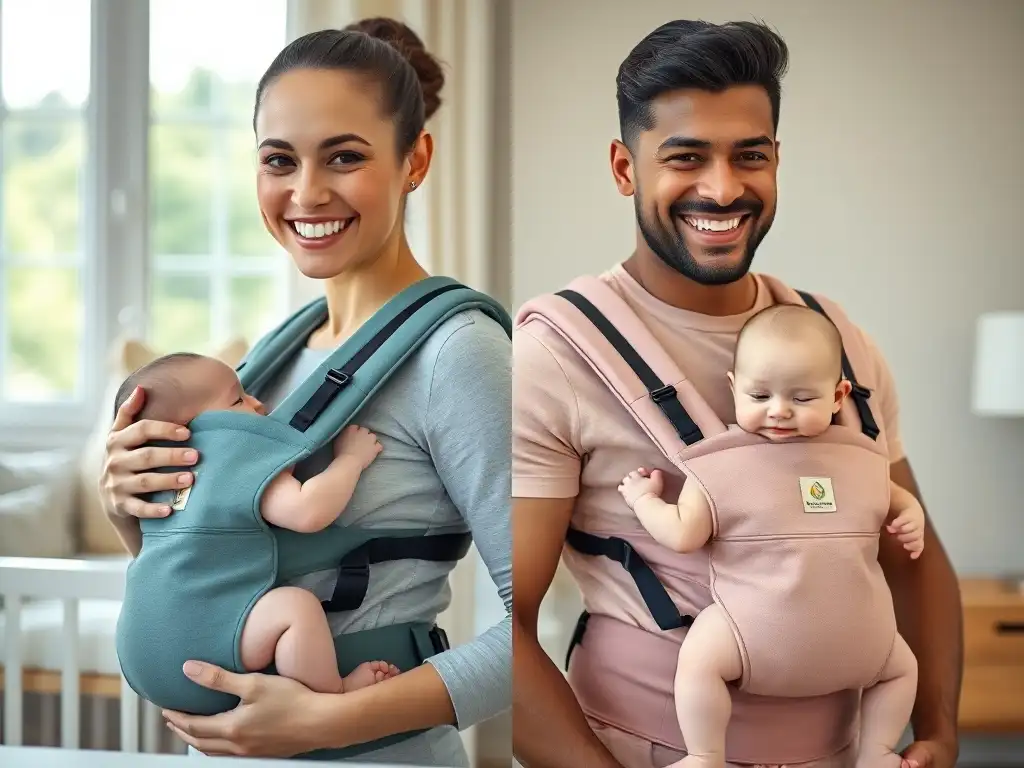
Choosing a soft structured carrier that fits both you and your baby comfortably is paramount. A poorly fitting carrier can lead to back pain for the caregiver and discomfort or even potential hip dysplasia for the baby. Look for carriers with multiple adjustment points. This isn't just about the straps; consider features like:
- Waistband adjustment: A wide, adjustable waistband is crucial for distributing the baby's weight evenly across your hips and back, minimizing strain. Look for carriers with a minimum of a 20-inch range of adjustment to accommodate a variety of body types. A poorly fitting waistband can lead to significant back pain, especially during longer carries.
- Shoulder strap adjustments: Adjustable shoulder straps allow you to customize the fit to your torso length and shoulder width. Look for carriers with multiple adjustment points on the straps themselves, not just a single buckle. This allows for a more precise fit. Consider carriers with padded straps to enhance comfort during extended use.
- Panel height and width adjustments: The carrier's panel (the part that supports your baby) should be adjustable to accommodate your baby's growth. A too-small panel can restrict your baby's movement and breathing, while a too-large panel can cause the baby to slump. The ability to adjust both the height and width of the panel is essential for ensuring a snug, supportive fit throughout your baby's first year. Check the manufacturer's specifications for the size ranges each adjustment caters to.
- Infant inserts: For newborns, infant inserts are often necessary to provide additional support and ensure proper positioning. A good carrier will clearly indicate the weight and size ranges for using an insert and whether one is included. Using an insert incorrectly can cause problems, so follow the manufacturer's instructions carefully. Ensure the insert is easily removable as your baby grows.
Remember, a properly fitted carrier should allow you to comfortably carry your baby close to your body, with their legs spread in an “M” position, and their back supported in a natural, rounded curve. Always test the carrier before purchasing it, if possible, to ensure a comfortable fit for both you and your baby. Consider trying on several different brands and models to find the one that works best for your body type and your baby's size.
Material Matters: Choosing Breathable and Durable Fabrics for Soft Structured Carriers
The fabric of your baby carrier significantly impacts both your comfort and your baby's. Choosing the right materials is crucial for ensuring a safe and pleasant carrying experience. Consider these factors:
- Breathability: Both you and your baby will generate heat while using a carrier, especially during warmer months. Look for carriers made with breathable fabrics like organic cotton, linen, or mesh. These materials allow for better air circulation, preventing overheating and discomfort. Avoid carriers made entirely of synthetic materials which can trap heat and moisture. Consider the climate where you will be primarily using the carrier.
- Durability: You'll be using your baby carrier frequently, so durability is key. Look for carriers made with high-quality, tightly woven fabrics that can withstand regular use and washing. Check the stitching; it should be strong and even. Read reviews to see how well the carrier holds up over time. A durable carrier will provide long-term value and reduce the need for frequent replacements.
- Softness: The fabric should be soft against your baby's delicate skin. Avoid fabrics that feel rough or scratchy. Organic cotton is generally a good choice because it's soft, breathable, and hypoallergenic. Consider the feel of the fabric before purchasing—touching the material is essential to determine its softness.
- Easy to Clean: Babies can be messy! Choose a carrier that is easy to clean, preferably machine washable. Check the care instructions before purchasing. Some fabrics might require special cleaning methods, which could be inconvenient. Look for carriers with removable and washable parts, such as the head support or drool pads.
- Safety Standards: Ensure the carrier's materials meet safety standards and are free from harmful chemicals. Look for certifications like OEKO-TEX Standard 100, which guarantees that the textiles are free from harmful substances. This is an important factor for protecting your baby's health. Check the manufacturer's website or product labeling for details on material composition and safety certifications. Choosing a high-quality, breathable, and durable carrier ensures both comfort and safety for your baby.
How to Use a Soft Structured Carrier Safely and Comfortably: A Step-by-Step Guide
This section provides a detailed, step-by-step guide on using a soft structured carrier, focusing on safety and comfort for both parent and baby. Choosing the best baby carrier for new parents often comes down to understanding proper usage. Remember, always refer to your specific carrier's instructions for detailed diagrams and safety precautions.
Preparing Your Baby and Carrier for the First Time
Before your first outing with your soft structured carrier, take some time to prepare both you and your little one. This preparation will ensure a smoother and more comfortable experience.
First, inspect your carrier thoroughly. Check all straps, buckles, and seams for any damage or wear. A well-maintained carrier is crucial for safety. Next, lay out the carrier on a clean, flat surface. Familiarize yourself with the different straps and buckles – the waist belt, shoulder straps, and any additional support straps. Understanding the carrier's components will greatly simplify the process.
Now, let's prepare your baby. Ensure they are wearing comfortable clothing appropriate for the weather. Avoid bulky clothing that might hinder proper positioning within the carrier. Consider using a lightweight, breathable onesie or outfit. Diaper changes should be done before placing your baby in the carrier to avoid interruptions. Finally, have a burp cloth or small blanket handy, especially for newborns, as they may spit up or need a little extra warmth. Remember, a calm and relaxed baby is key to a successful carrying experience.
Putting Your Baby in the Carrier: Techniques for Different Ages and Sizes
The method for placing your baby in the carrier will vary slightly depending on their age and size. Newborns require extra care and support, while older babies may have more control over their movements.
For Newborns (0-3 months):
- Position the carrier in front of you, ensuring the waist belt is snugly fastened around your waist.
- Gently support your baby's head and neck, placing them in the carrier's seat with their back against the panel. Their legs should be naturally positioned with knees bent and facing outwards (M-position).
- Secure the shoulder straps, ensuring they are evenly distributed across your shoulders and not digging into your neck. Adjust the straps to ensure your baby is held securely, close to your chest. Their chin should be slightly away from their chest.
For Older Babies (3-12 months):
- With the carrier already adjusted to your body, carefully lift your baby and support their head and neck.
- Place your baby into the carrier, ensuring their back is supported against the panel and their legs are in the M-position.
- Adjust the shoulder straps and waist belt as needed to provide optimal support and comfort. Older babies may be more active, so ensure the straps are securely fastened to prevent them from slipping out.
For Toddlers (12+ months):
- The process is similar to older babies; however, toddlers are more mobile and may require more help getting settled.
- Ensure the carrier's straps are adjusted for their weight and size. You may need to adjust the height of the carrier's seat.
- Always maintain a close watch on your toddler, as they may become more active and attempt to climb out.
Remember to always maintain eye contact with your baby and check on them frequently. Adjust the carrier as needed to ensure their comfort and safety. Using the best baby carrier involves constant attention to your little one's needs.
Adjusting the Straps for Optimal Support and Comfort for Parent and Baby
Proper strap adjustment is crucial for both the parent's comfort and the baby's safety. Incorrectly adjusted straps can lead to back pain for the parent and discomfort or even injury for the baby.
The waist belt should be snug and positioned around your natural waistline. This distributes the weight evenly across your hips and lower back, preventing strain. Tighten the belt until it feels secure but not constricting.
The shoulder straps should be adjusted to fit comfortably across your shoulders. They should not dig into your neck or shoulders. Adjust the straps until the weight of the baby is evenly distributed across your shoulders and back. Uneven weight distribution can lead to discomfort and pain.
The head support (if applicable) should be adjusted to provide proper support for your baby's head and neck, especially for newborns. It should be snug but not too tight. Ensure the head support is properly positioned so that it doesn't obstruct your baby's breathing.
Regularly check the straps throughout your carrying session. As your baby moves or grows, the straps might require readjustment. Always prioritize comfort and safety. Finding the best baby carrier new parents can use is also about finding the best fit and adjusting it as needed. This ensures a positive experience for both you and your child.
Safe Practices to Avoid: Common Mistakes to Avoid When Using a Baby Carrier
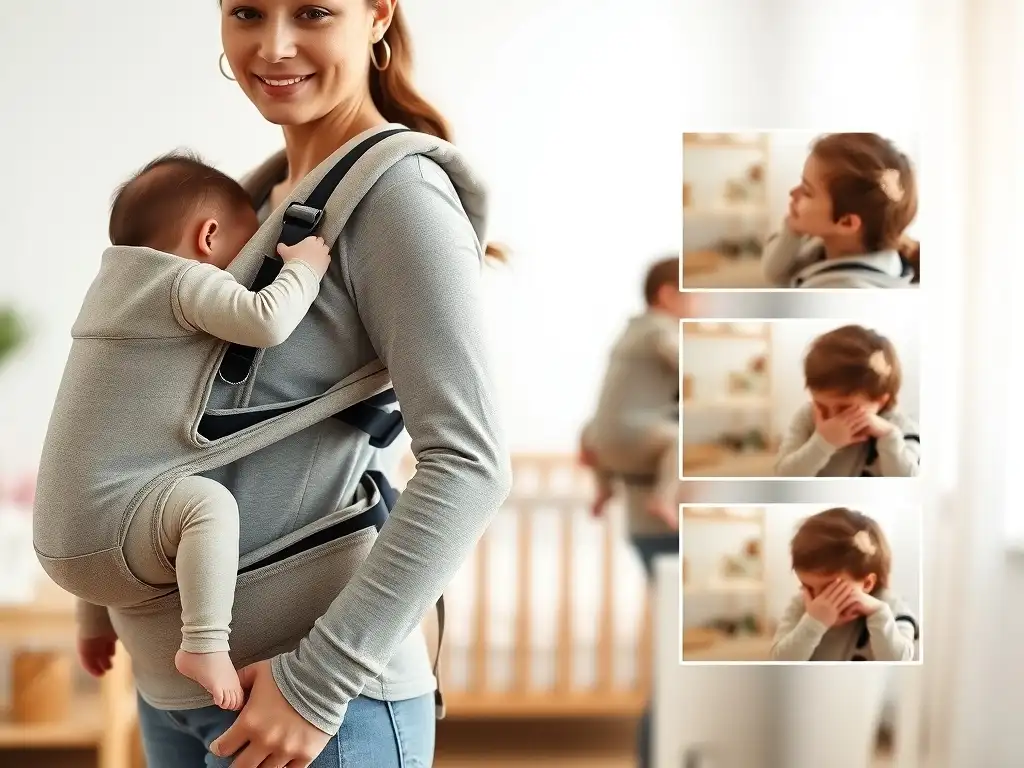
Using a soft structured carrier offers incredible benefits for both baby and parent, fostering closeness and convenience. However, improper use can negate these advantages and even pose safety risks. Let's explore some common mistakes new parents make and how to avoid them to ensure a safe and comfortable experience.
One frequent error is placing the baby too low in the carrier. The baby's bottom should be positioned high enough that their legs are supported in a "M" shape, with knees bent and higher than their bottom. A baby positioned too low can experience restricted breathing and discomfort. Always check the manufacturer's instructions for the correct positioning. Remember, the "frog leg" position is crucial for healthy hip development.
Another critical mistake is failing to secure the straps tightly. Loose straps can allow for excessive movement, potentially leading to the baby slipping or falling. All buckles and straps should be fastened securely, ensuring a snug but not overly tight fit. You should be able to comfortably slip two fingers between the carrier straps and your baby's back. Regularly check the tightness of the straps, especially after adjusting the carrier's position.
Furthermore, many parents inadvertently obstruct their baby's airways by positioning the carrier too close to their face or covering their mouth and nose. Always ensure adequate breathing space around the baby's face. Be mindful of the carrier fabric, and avoid using any that may be too thick or restrictive. Regularly check to ensure your baby has enough space to breathe easily.
Finally, avoid carrying a baby who is showing signs of illness or discomfort. If your baby is unwell, prioritize their health and consult a pediatrician before using the carrier. This precaution ensures you are not exacerbating any symptoms or compromising your baby's well-being.
Recognizing and Addressing Baby Discomfort
Even with proper use, babies may still show signs of discomfort in a carrier. Learning to recognize these cues is crucial for ensuring your baby's safety and happiness. Early detection of discomfort allows you to address the issue promptly, preventing longer periods of distress.
Signs of discomfort can be subtle or obvious. Frequent fussiness or crying, especially when initially placed in the carrier, might indicate an issue. Excessive arching of the back, clenched fists, or a strained facial expression are other potential indicators. Observe your baby's posture; a slumped or unnatural position may suggest discomfort. Pay close attention to their breathing; labored or shallow breathing could warrant checking the carrier positioning and the baby's airway.
If you notice any signs of discomfort, gently remove your baby from the carrier. Check the carrier's straps to ensure they are properly adjusted and not too tight or loose. Assess your baby's position; perhaps they need a slight adjustment to be more comfortable. Ensure their legs are in the correct "M" position, and that their back is supported. Consider whether the ambient temperature might be affecting your baby. If the weather is warm, use a lighter carrier or remove layers of clothing.
Sometimes, the discomfort stems from factors unrelated to the carrier itself. Your baby might be hungry, tired, or simply need a change of scenery. Try feeding, burping, or changing your baby's diaper. Consider a short break from the carrier, allowing your baby some time to rest and relax in a different position. If discomfort persists despite your efforts, consult a pediatrician or medical professional to rule out any underlying medical issues. Remember, a happy and comfortable baby makes for a much more enjoyable carrying experience.
Addressing Common Concerns About Soft Structured Baby Carriers
This section addresses frequently asked questions and concerns surrounding the use of soft structured baby carriers, particularly for new parents navigating this exciting yet sometimes overwhelming phase of parenthood. Choosing the best baby carrier for new parents often involves careful consideration of safety, comfort, and developmental impact. Let's delve into these key areas.
Safety of Soft Structured Carriers for Newborns: Dispelling Myths and Concerns
Many new parents harbor anxieties about the safety of soft structured carriers, especially for newborns. Concerns often revolve around proper positioning, suffocation risks, and the potential for hip dysplasia. Let's address these directly.
Firstly, it's crucial to select a carrier specifically designed for newborns, often indicated by weight and age recommendations clearly stated by the manufacturer. These carriers typically offer features like reinforced head support and snug, adjustable straps to ensure the baby is securely positioned. Always check the manufacturer's instructions meticulously before use. Improper use is the primary source of potential problems, not the carrier itself.
Secondly, the myth of suffocation is a significant concern. However, this risk is minimized by ensuring proper airflow. Avoid overly bundling the baby, and ensure the carrier's fabric is breathable. Always maintain visual contact with your baby while using the carrier and be alert to any signs of distress, such as difficulty breathing or unusual sounds. Remember, the "frog leg" position, with the baby's hips and knees flexed, is crucial for healthy hip development and is generally supported by well-designed carriers.
Finally, the International Hip Dysplasia Institute (IHDI) provides guidelines for safe babywearing. A well-fitted soft structured carrier that supports the baby's natural posture, keeping their spine straight and legs spread in a "M" shape, helps mitigate the risk of hip dysplasia. Always ensure the baby's airway remains clear and they are comfortable and securely positioned. Regularly check the baby's position to ensure no pressure points are causing discomfort. Observe your baby for any signs of discomfort during and after wearing; if in doubt, consult your pediatrician.
Managing Baby's Weight Distribution for Comfortable Carrying
Proper weight distribution is critical for both the baby's comfort and the caregiver's physical well-being. Carrying a baby for extended periods can strain the back and shoulders if not done correctly. Soft structured carriers, when used appropriately, help distribute weight evenly across the caregiver's body.
Here's how to optimize weight distribution:
- Tighten the straps: Ensure all straps are snug and adjusted correctly. Loose straps can lead to unbalanced weight distribution, causing discomfort and potential strain.
- Adjust the waistband: The waistband should sit comfortably around your waist, distributing the weight across your hips and lower back.
- Position the baby correctly: The baby's weight should be centered, with their back resting against the carrier's support panel. Avoid carrying heavier babies for extended periods without breaks.
- Take breaks: Regular breaks are essential to prevent fatigue and strain. Even short breaks can make a significant difference in comfort levels.
- Consider the carrier's features: Some carriers are designed with ergonomic features to enhance weight distribution, such as padded shoulder straps and a wide, supportive waistband.
Impact of Soft Structured Carriers on Baby's Development: Supporting Healthy Growth
Choosing the best baby carrier for new parents also involves considering its impact on the baby's physical and emotional development. Soft structured carriers, when used correctly, can positively influence a baby's development in several ways.
Firstly, the close proximity to the caregiver provides a sense of security and comfort, promoting a strong parent-child bond. The rhythmic movement experienced while being carried can be soothing and calming, helping to regulate the baby's heart rate and breathing. This close contact can also improve the baby's sleep patterns and reduce crying.
Secondly, proper positioning in a well-designed carrier supports healthy hip development. The "frog-leg" or "M" position, as mentioned earlier, helps to prevent hip dysplasia. The carrier also supports the baby's spine and head, ensuring proper alignment.
Thirdly, carrying your baby in a soft structured carrier can facilitate their development by providing varied perspectives and sensory experiences. The constant exposure to different sights, sounds, and smells can stimulate their senses and contribute to their cognitive development. However, it's important to remember that excessive carrying shouldn't replace other forms of stimulation and play crucial for a baby's overall development. A balanced approach is key, incorporating tummy time and other activities that promote motor skills development. 👶
Maintaining Hygiene and Cleaning Your Soft Structured Carrier
Maintaining the hygiene of your soft structured carrier is crucial for both your baby's and your own health. Babies are particularly susceptible to infections, and a clean carrier minimizes the risk of exposure to germs and bacteria. Regular cleaning prevents the buildup of sweat, saliva, and food particles, all of which can contribute to unpleasant odors and potential health concerns. The frequency of cleaning depends on how often you use the carrier and the level of exposure to spills or messes.
Different carrier materials require different cleaning methods. Always check the manufacturer's care instructions label before attempting any cleaning. Many carriers are machine washable, but some delicate fabrics may require hand washing. For machine washing, use a gentle cycle with a mild detergent, avoiding harsh chemicals or bleach which can damage the fabric and potentially irritate your baby's skin. Always air dry the carrier; never put it in a dryer, as the high heat can shrink or damage the fabric and buckles.
Hand washing is gentler on the fabric and is often preferred for carriers with intricate details or delicate materials. Use lukewarm water and a mild detergent, gently scrubbing any soiled areas. Rinse thoroughly to remove all traces of soap. Again, air drying is essential. Before each use, visually inspect the carrier for any loose threads, damaged buckles, or wear and tear. Regularly checking for such issues ensures the carrier remains safe and functional.
Addressing stains requires a bit more attention. For fresh stains, blot (don't rub!) immediately with a clean, damp cloth. For older stains, you might need to pre-treat the area with a gentle stain remover specifically designed for baby items, following the product instructions carefully. Always test any cleaning solution on an inconspicuous area first to ensure it doesn't cause discoloration or damage the fabric. Remember, a clean and well-maintained carrier contributes significantly to a safe and comfortable babywearing experience. Prioritizing hygiene is an essential aspect of responsible babywearing.
Beyond the Basics: Advanced Tips and Tricks for Soft Structured Carrier Use

This section delves into more advanced techniques and considerations for using your soft structured baby carrier, building upon the fundamental knowledge you've already gained. Mastering these tips will enhance your comfort and your baby's, ensuring a smoother and more enjoyable experience. We'll explore different carrying positions, adapting your carrier for various activities, and extending its lifespan through proper care. Remember, always prioritize your baby's safety and comfort. Finding the best baby carrier for new parents involves understanding these nuances.
Carrying Your Baby in Different Positions: Facing Inward, Outward, and Hip Carry
Soft structured carriers typically offer multiple carrying positions, each with its own benefits. Understanding these positions is crucial for adapting to your baby's developmental stages and your own needs.
- Inward Facing: This is the most common position for newborns and younger infants. It provides maximum closeness and security, allowing for easy soothing and monitoring. The baby's face is nestled against your chest, promoting a feeling of safety and warmth. This position is ideal for feeding and comforting.
- Outward Facing: As your baby gets older (generally around 6 months, when they can hold their head steady) and more curious, outward facing becomes an option. This allows them to engage with their surroundings, though it's important to remember that this position offers less support and should be used in short bursts. Always ensure the carrier supports the baby's head, neck, and back properly. This position is great for sightseeing, but prioritize inward facing for longer periods and naps.
- Hip Carry: The hip carry is a versatile position that's comfortable for both parent and baby, especially for older infants and toddlers. It allows for greater freedom of movement and is perfect for quick errands or when you need one hand free. However, ensure your carrier supports this position safely and your baby's legs are correctly positioned in a "frog-leg" stance. This avoids putting strain on their hips.
Proper positioning in each carrying method is paramount for the best baby carrier experience and your baby's well-being. Always refer to your carrier's instructions for specific guidance on age and weight recommendations for each position.
Using Your Soft Structured Carrier for Different Activities: Hiking, Shopping, and Everyday Errands
A good soft structured carrier is a versatile tool that can adapt to your lifestyle. Let's explore how to utilize it effectively in different situations:
| Activity | Considerations | Tips |
|---|---|---|
| Hiking | Choose trails suitable for your fitness level and baby's age. | Pack light; prioritize essentials. Stay hydrated. Take frequent breaks. |
| Shopping | Consider the carrier's weight and bulk. Opt for stores with accessible entrances. | Use a stroller for large shopping trips. |
| Everyday Errands | Consider the distance and terrain. Prioritize comfort and ease of access. | Choose a position that allows for easy maneuvering. |
Remember that using your carrier for extended periods, particularly during strenuous activities like hiking, requires extra attention to baby's comfort and your own physical well-being.
Extending the Lifespan of Your Soft Structured Carrier: Care and Maintenance Tips
Proper care is essential to extend the life of your soft structured carrier and maintain its safety and functionality.
- Cleaning: Follow the manufacturer's instructions carefully. Most carriers can be spot-cleaned or machine-washed on a gentle cycle, but always air dry to prevent damage. Regular spot cleaning will prevent stains and odors.
- Storage: Store your carrier in a cool, dry place, away from direct sunlight. Avoid storing it in damp or humid areas. Proper storage prevents mold and mildew.
- Inspection: Regularly inspect the carrier for any signs of wear and tear, such as frayed straps or damaged buckles. Replace the carrier if you notice significant damage. Regular inspections ensure continued safety.
By following these simple care and maintenance tips, you can ensure your carrier remains in excellent condition for years to come, providing safe and comfortable carrying for your baby. Investing in the best baby carrier for new parents means ensuring its longevity through proper care.
Conclusion: Finding Your Perfect Soft Structured Baby Carrier
Choosing the best baby carrier for new parents can feel overwhelming, but understanding the key features and benefits of soft structured carriers simplifies the process considerably. By carefully considering factors like ergonomic design, adjustability, and ease of use, you can confidently select a carrier that promotes both your baby's comfort and your own peace of mind. Remember, the ideal carrier is one that fits your body type and lifestyle, while providing optimal support and a secure, comfortable position for your little one.
Finding the right fit is crucial for successful and enjoyable babywearing. Don't be afraid to try on different carriers before making a purchase, if possible.
Recap of Key Considerations for Choosing the Best Baby Carrier for New Parents
Selecting a soft structured carrier involves several crucial considerations to ensure both parent and baby comfort and safety. Let's recap the key points:
- Ergonomic Design: Look for carriers that support the natural "M" shape of your baby's spine, promoting healthy hip development. Features like adjustable seat width and leg openings are vital for accommodating your baby's growth. A good carrier will distribute weight evenly across your shoulders and hips, minimizing strain.
- Adjustability: A truly versatile carrier offers numerous adjustment points. This includes adjustable straps for torso length and shoulder width, allowing for a customized fit for various body types. Adjustable buckles and straps are crucial for securing your baby safely and comfortably at different stages of growth.
- Ease of Use: Consider the simplicity of getting your baby in and out of the carrier. Intuitive buckles, clear instructions, and a user-friendly design are essential, especially for sleep-deprived new parents. Quick adjustments are a bonus for transitioning between carrying positions.
- Material and Breathability: Opt for breathable fabrics that keep both you and your baby cool and comfortable, especially during warmer months. Look for materials that are soft against your baby's skin and easy to clean. Consider factors like moisture-wicking capabilities for enhanced comfort.
- Safety Features: Prioritize carriers with robust stitching, secure buckles, and features that prevent your baby from slipping or falling. Ensure the carrier meets relevant safety standards. Check for reliable reviews and certifications that address safety concerns.
| Feature | Importance | Example |
|---|---|---|
| Ergonomic Design | Crucial for healthy hip and spine development | Wide seat, adjustable leg openings |
| Adjustability | Enables customized fit for various body types and baby's growth stages | Adjustable straps, buckles, and torso length |
| Ease of Use | Simplifies the carrying process, especially for new parents | Intuitive buckles, clear instructions |
| Breathability | Ensures comfort for both parent and baby, especially in warm weather | Mesh panels, breathable fabrics |
| Safety Features | Prevents accidents and ensures your baby's security | Sturdy stitching, secure buckles, safety standards |
The right carrier will become an invaluable tool during your baby's early months, fostering a strong bond and simplifying daily routines. Remember to always prioritize safety and comfort for both you and your little one.
Resources and Further Reading on Babywearing and Infant Safety
Further research into babywearing safety and best practices is highly recommended. This includes understanding the proper techniques for different carrying positions and ensuring the carrier is used correctly at each stage of your baby's development. [Specific information on reputable organizations and publications pending]. It's also advisable to consult with your pediatrician or a certified babywearing consultant for personalized guidance. This ensures you're making informed decisions about babywearing that align with your baby's individual needs and developmental milestones. Remember that safe babywearing practices are paramount to ensuring your child's well-being.
Relevant Babywearing Resource or Community Link
[Specific link to a reputable babywearing resource or community pending] Connecting with other parents and experienced babywearers can provide valuable support, advice, and a sense of community. Sharing experiences and learning from others' successes and challenges can enhance your babywearing journey.
Frequently Asked Questions
What makes a soft-structured baby carrier ideal for new parents?
Soft-structured carriers offer excellent ergonomic support for both baby and parent, distributing weight evenly. They are also relatively easy to use, making them perfect for less experienced caregivers. This ease of use reduces stress and promotes bonding.
How do I choose the right size soft-structured baby carrier?
The best size depends on your baby's weight and your own body type. Check the manufacturer's size chart carefully, ensuring the carrier fits snugly and comfortably for both of you. Consider adjustable straps and buckles for flexibility as your baby grows.
Are soft-structured baby carriers safe for newborns?
Many soft-structured carriers are suitable from newborn stage, provided they offer proper newborn inserts or positions that support the baby's head and spine. Always consult the manufacturer's instructions and ensure the baby maintains a seated, upright position.
What are the benefits of using a soft-structured carrier compared to other baby carriers?
Soft-structured carriers combine the comfort and closeness of slings with the ergonomic support of structured carriers. They offer superior weight distribution, promoting better posture for both parent and child, reducing back strain. They're also generally more versatile.
How can I ensure my baby is comfortable and safe in a soft-structured carrier?
Always follow the manufacturer's instructions for proper placement and adjustment. Ensure your baby's head and neck are supported, their hips are properly positioned, and they are close enough to kiss. Regularly check for signs of discomfort or overheating.
Final Reflection: Embracing the Journey of Parenthood with Soft Structured Carriers
The choice of a baby carrier is far more than a simple purchase; it's an investment in the precious bond between parent and child, shaping the early days of parenthood and influencing the family dynamic for years to come. Choosing the right soft structured carrier can significantly ease the transition into parenthood, offering comfort, closeness, and practical support for both parent and baby. This is especially crucial in today's fast-paced world where parents often juggle multiple responsibilities.
The impact of comfortable and secure babywearing extends far beyond the immediate physical benefits. It fosters a sense of security and calm in the infant, promoting healthy development and reducing anxiety. The baby's cry is a call for connection, and babywearing provides that connection in a profound way.
This simple truth resonates deeply, reminding us that the seemingly small act of choosing a carrier can have a ripple effect on the emotional well-being of both parent and child, shaping the very fabric of family life. The experience of carrying your little one close, feeling their heartbeat against yours, is a powerful and unforgettable aspect of the early parenting journey.
Now, consider your own journey. What are your priorities as a parent? What kind of support system do you need? Reflect on the information presented in this guide and choose a carrier that best aligns with your unique needs and parenting style. Don't just buy a carrier; invest in a tool that will empower you to navigate the beautiful, challenging, and ultimately rewarding experience of parenthood. Embrace the journey, one snuggle at a time.
Unlock Your Baby's Comfort: Start Your Soft Structured Carrier Journey Today!
Thank you for learning about soft structured baby carriers! We hope this guide has helped you choose the perfect carrier for your little one, allowing you to enjoy those precious bonding moments. Now it's time to put your new knowledge into practice.
- Find the right carrier: Consider the key features discussed and select a carrier that suits your lifestyle and your baby's needs. Compare several options before making your decision.
- Share your experience: Tell us—or other new parents—which features were most important to you. Join the BabyCareHub community and share your insights!
- Practice using your carrier: Before heading out, practice with your chosen carrier in front of a mirror. Ask a friend or family member for help if needed.
Ready to embrace the joy of comfortable babywearing? What's your next step in finding the perfect soft structured carrier for your family?