
Dry Eyes in Babies: How to Soothe and Hydrate

Welcome to BabyCareHub, your ultimate guide to navigating the incredible journey of parenthood! Are you facing the worry of baby dry eyes? We understand the concern, and we're here to help. This comprehensive resource provides expert advice and step-by-step guidance on a wide range of baby care topics, from feeding and sleep to health and development. Discover effective and gentle solutions for common challenges, starting with our in-depth article on baby dry eyes treatment. Let's explore the path to a healthier and happier baby together!
- Understanding Baby Dry Eye Symptoms and Causes
- Baby Dry Eyes Treatment: Home Remedies and Gentle Care
- Preventing Dry Eyes in Your Baby: Proactive Steps
- Choosing the Right Eye Drops for Baby Dry Eyes
- Baby Dry Eyes Treatment: When to Consult a Pediatrician
- Long-Term Care and Prevention Strategies for Baby Dry Eyes
- Frequently Asked Questions
- Final Reflection: The Enduring Gift of Comfort for Tiny Eyes
- Soothe Your Little One's Dry Eyes Today
Understanding Baby Dry Eye Symptoms and Causes
New parenthood is a whirlwind of emotions and a steep learning curve. Navigating the complexities of newborn care can feel overwhelming, and even seemingly minor issues like dry eyes can cause significant parental anxiety. This comprehensive guide provides a step-by-step approach to understanding, soothing, and treating dry eyes in your baby. We'll explore the telltale signs of dry eyes in infants, delve into the common underlying causes, and outline when professional medical intervention is necessary.
Learning to identify and address baby dry eyes is crucial for ensuring your little one's comfort and overall eye health. This article aims to equip you with the knowledge to effectively manage this common issue and contribute to your baby's well-being. Remember, proactive care is key in preventing potential complications and ensuring your baby's eyes remain healthy and hydrated.
Recognizing the Signs of Dry Eyes in Infants
Identifying dry eyes in your baby might seem challenging, but recognizing key symptoms is crucial for early intervention. Infants can't verbally express discomfort, so you need to be observant. Look out for these common signs:
- Excessive blinking or rubbing: A baby constantly blinking or rubbing their eyes could indicate dryness and irritation. This is often accompanied by fussiness and restlessness.
- Redness and crusting: Redness around the eyes, particularly in the corners, and the presence of crusty discharge can be indicative of dry eyes, especially if accompanied by other symptoms.
- Watery eyes: Ironically, dry eyes can sometimes lead to excessive tearing as the eyes try to compensate for lack of lubrication.
- Sensitivity to light: Your baby may show signs of discomfort or increased fussiness when exposed to bright lights.
- Sticky eyelids: Difficulty opening eyelids in the morning due to a sticky or glued-together appearance may suggest dry eye issues.
Remember, it's important to differentiate between dry eyes and other potential eye problems. If you are unsure, always consult a pediatrician or ophthalmologist. Early detection and appropriate management can prevent discomfort and potential complications.
👶
Common Causes of Dryness and Irritation in Baby's Eyes
Several factors can contribute to dry eyes in babies. Understanding these causes can help you take preventative measures and address the underlying issue effectively. Some of the most frequent culprits include:
- Environmental factors: Exposure to dry air, especially during winter or in air-conditioned environments, can significantly contribute to dryness. Wind and sun exposure can also exacerbate the problem.
- Allergies: Allergies to dust, pollen, or pet dander can trigger inflammation and dryness in the eyes.
- Blocked tear ducts: Sometimes, the tear ducts can become blocked, preventing proper tear production and lubrication. This often presents with excessive tearing, rather than dry eyes, but can be associated with dryness as well.
- Infections: While less common as the primary cause of dry eyes, infections like conjunctivitis (pink eye) can also lead to dryness and irritation.
- Medications: Certain medications can have side effects that impact tear production. Always consult your pediatrician or pharmacist if you suspect medication is a contributing factor.
It's crucial to consider these factors in conjunction with the observed symptoms to determine the most appropriate course of action for your baby's dry eyes. A holistic approach, considering both environmental and potential underlying medical conditions, is essential for effective management.
When to Seek Professional Medical Advice for Baby's Dry Eyes
While many cases of baby dry eyes can be managed at home with simple remedies, some situations warrant immediate professional attention. You should seek medical advice if:
- Symptoms are severe or persistent: If your baby's dry eyes don't improve after a few days of home care, or if the symptoms worsen, it's important to consult a doctor.
- There's significant redness or swelling: Severe redness, swelling, or excessive discharge could indicate an infection requiring medical treatment.
- Your baby has a fever: A fever accompanied by eye symptoms suggests a more serious underlying condition.
- There's pus or yellow discharge: This is a clear sign of infection and requires prompt medical attention.
- Your baby is experiencing vision problems: Squinting, avoiding light, or other signs of vision impairment necessitate a thorough eye examination.
Don't hesitate to contact your pediatrician or ophthalmologist if you have any concerns about your baby's eye health. Early intervention is key to preventing potential complications and ensuring your baby's comfort and well-being. Remember, when in doubt, it's always best to seek professional medical advice.
Baby Dry Eyes Treatment: Home Remedies and Gentle Care
Dealing with a baby's dry eyes can be distressing for new parents. Fortunately, many effective and gentle treatments are available, ranging from simple home remedies to preventative hygiene practices. This section focuses on providing you with practical, evidence-based information to address your baby's dry eye condition and promote healthy eye development. Remember, if you are concerned about your baby’s eyes, always consult your pediatrician. Early intervention is key for optimal eye health.
Effective Home Remedies for Baby Dry Eyes
Several home remedies can provide relief from baby dry eyes. These are generally safe and effective when used correctly, but always consult your pediatrician before trying any new treatment, especially if your baby shows signs of infection or increased discomfort.
One common and readily available remedy is a warm compress. Simply dampen a clean washcloth with warm (not hot!) water, wring it out gently, and apply it to your baby's closed eyelids for a few minutes several times a day. The warmth helps to soften any crusts and soothe irritated skin. This simple method can significantly improve the comfort of your baby, providing relief from dryness and itchiness. It's a great way to naturally hydrate the delicate skin around the eyes.
Another gentle approach involves using breast milk. Breast milk contains antibodies and natural moisturizing properties that can help soothe and heal dry, irritated eyes. Apply a small amount of breast milk to the affected area using a clean fingertip or cotton swab. Let it sit for a few minutes before gently wiping it away with a clean, damp cloth. While anecdotal evidence supports its effectiveness, more research is needed to confirm its benefits definitively.
Safe and Natural Ways to Soothe Irritated Baby Eyes
Beyond home remedies, certain lifestyle adjustments can help prevent and alleviate baby dry eyes. Maintaining a humid environment, especially during dry seasons or in heated homes, is crucial. A humidifier can add moisture to the air, reducing the dryness that irritates delicate baby eyes. Regularly cleaning the humidifier is essential to prevent the growth of mold and bacteria.
Ensuring adequate hydration for your baby is also paramount. Dehydration can worsen dry eye symptoms, so make sure your baby is getting enough fluids, whether through breastfeeding, formula feeding, or supplemental water (as advised by your pediatrician). Monitor your baby's fluid intake and output, and consult your doctor if you have any concerns.
Avoid harsh soaps and cleansers near your baby's eyes. Gentle, tear-free baby washes are recommended to prevent irritation and dryness. Always wash your hands thoroughly before handling your baby's face. Remember, a baby's skin is incredibly sensitive, and harsh chemicals can exacerbate dry eyes.
Maintaining Proper Hygiene to Prevent Dry Eyes in Babies
Preventing dry eyes in babies often involves maintaining excellent hygiene practices. Regularly cleaning your baby's eyes is important, but it needs to be done gently. Use a clean, damp washcloth or cotton ball to wipe away any secretions or crusts from the inner corner of the eye outwards to prevent spreading bacteria. Never use the same cloth or cotton ball on both eyes.
Avoid rubbing your baby's eyes vigorously. This can further irritate the delicate skin and potentially damage the eyes. If you notice any persistent redness, swelling, or discharge, consult your pediatrician immediately. These symptoms could indicate a more serious problem requiring medical attention.
| Remedy | Description | Precautions |
|---|---|---|
| Warm Compress | Apply a warm, damp cloth to closed eyelids. | Avoid hot water; ensure cloth is clean. |
| Breast Milk | Apply a small amount to the affected area. | Use only fresh breast milk; consult pediatrician if unsure. |
| Humidifier | Adds moisture to the air. | Clean regularly to prevent mold and bacteria. |
| Gentle Cleansing | Use tear-free baby wash and clean gently. | Avoid harsh soaps and rubbing. |
| Adequate Hydration | Ensure your baby is well-hydrated. | Monitor fluid intake; consult pediatrician if concerned about dehydration. |
Remember, while these home remedies and preventative measures can significantly help with baby dry eyes treatment, they are not substitutes for professional medical advice. Always consult your pediatrician if you have any concerns about your baby's eye health. Early intervention is crucial for preventing potential complications and ensuring your baby's overall well-being. 👶
Preventing Dry Eyes in Your Baby: Proactive Steps
Preventing dry eyes in your baby is crucial for their comfort and overall eye health. While some dryness is normal, particularly in newborns, proactive measures can significantly reduce the risk and severity of the problem. This section focuses on practical steps you can take to ensure your little one's eyes stay well-lubricated and healthy. Remember, early intervention is key in managing baby dry eyes treatment.
Creating a Humid Environment for Your Baby
Dry air is a major culprit behind dry eyes in babies. Low humidity levels can lead to rapid evaporation of tears, leaving the eyes feeling scratchy and irritated. Creating a humid environment can significantly improve your baby's comfort and reduce the likelihood of dry eyes.
Several methods can help increase humidity:
- Humidifier: A cool-mist humidifier is an excellent investment. Place it in your baby's room, ensuring it's cleaned regularly to prevent mold growth. Aim for a humidity level between 40-60%. Regularly check the humidity levels with a hygrometer to ensure optimal conditions. Overly humid environments can also contribute to other health issues, so maintaining a balance is essential.
- Strategic Water Placement: Boiling a pot of water and allowing it to cool slightly before placing it in your baby's room can temporarily increase humidity. However, this is not a long-term solution and needs careful monitoring to prevent burns.
- Frequent Bathing: While not directly increasing humidity, regular bathing can help moisturize your baby's skin, indirectly reducing dryness that could impact their eyes.
Remember to monitor your baby closely for any signs of respiratory issues if using a humidifier, as excessive moisture can worsen existing conditions. Always prioritize safety and consult your pediatrician if you have concerns.
Protecting Your Baby's Eyes from Environmental Irritants
Environmental factors play a significant role in the development of dry eyes. Protecting your baby's delicate eyes from irritants is a crucial aspect of preventative care. This includes both indoor and outdoor elements.
- Indoor Irritants: Dust mites, pet dander, and smoke (including secondhand smoke) are common indoor irritants that can exacerbate dry eyes. Regular cleaning, using hypoallergenic bedding, and avoiding smoking indoors are vital steps. Consider using air purifiers with HEPA filters to minimize airborne particles. Regularly washing baby's clothes and bedding in hypoallergenic detergent can also minimize exposure to irritants.
- Outdoor Irritants: Wind, sun, and pollen are significant outdoor irritants. When venturing outdoors, protect your baby's eyes from the sun with a hat or sunglasses (baby-sized, of course) and shield them from harsh winds with a blanket or stroller cover. If pollen is particularly high, consider limiting outdoor exposure during peak times.
Regularly cleaning your baby's face with a soft, damp cloth can also help remove irritants that may accumulate throughout the day. Gentle cleansing is key; avoid harsh rubbing or chemicals that could further irritate the eyes.
Breastfeeding and its Role in Eye Health
Breastfeeding offers numerous benefits for your baby, and it extends to eye health as well. Breast milk contains antibodies and nutrients that support the development of healthy tear film, reducing the risk of dry eyes and other eye conditions. The components in breast milk contribute to a more stable and robust tear film, offering natural protection against dryness and irritation.
While formula-feeding is perfectly acceptable, studies have shown a correlation between breastfeeding and a lower incidence of various eye problems in infants. This is attributed to the presence of protective factors in breast milk that are not replicated in formula. If you are formula-feeding, consult your pediatrician regarding any concerns about your baby's eye health. They can provide guidance and address any specific issues.
Remember, every baby is different, and individual needs may vary. However, maintaining a healthy, hydrated environment and protecting your baby's eyes from environmental stressors is beneficial regardless of feeding method. A proactive approach to baby dry eyes treatment is always the best strategy.
Choosing the Right Eye Drops for Baby Dry Eyes
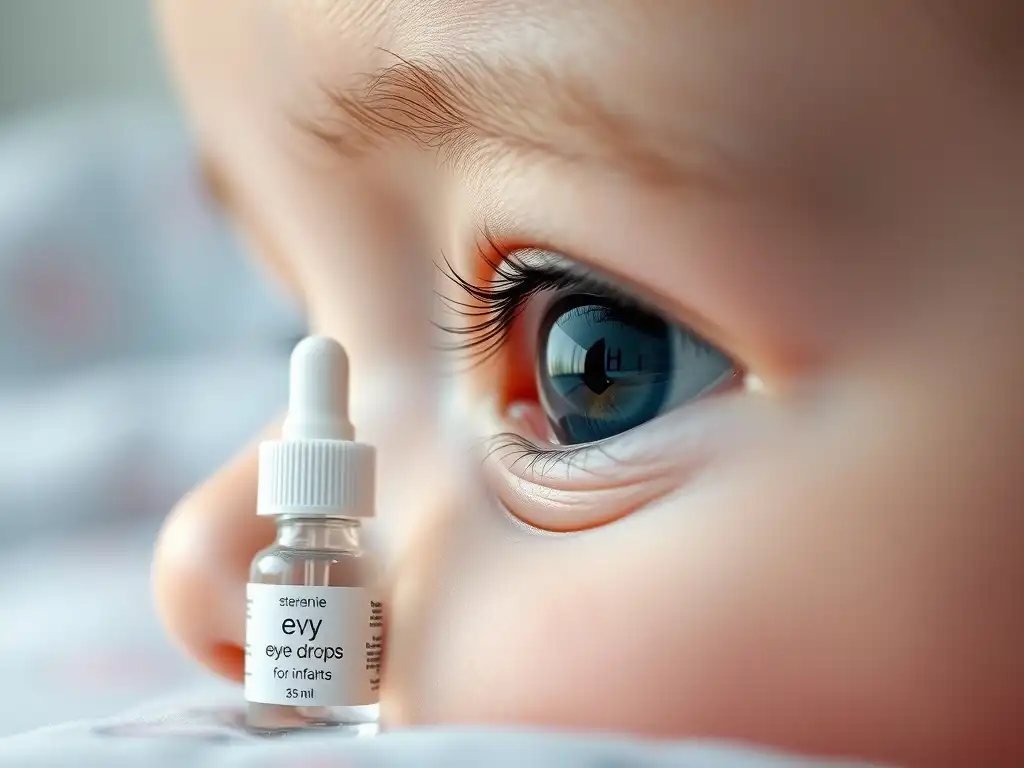
Choosing the right eye drops for your baby's dry eyes is crucial for effective treatment and preventing further irritation. Many over-the-counter (OTC) options exist, but not all are suitable for infants. The key is to select a product specifically formulated for babies, free from preservatives and irritants that could harm their delicate eyes. Look for labels indicating "sterile," "preservative-free," and "hypoallergenic."
These terms ensure the product is safe for sensitive eyes and minimizes the risk of allergic reactions. Always check the ingredients list to avoid those containing common allergens or potential irritants. Some babies might react negatively to certain preservatives even if they are generally considered safe for adults. Remember, prevention is key in baby dry eyes treatment; proactive moisturizing is often more beneficial than reactive treatment of severe dryness.
Understanding Different Types of Artificial Tears for Babies
Artificial tears, also known as lubricating eye drops, are the most common treatment for baby dry eyes. However, not all artificial tears are created equal. They differ in their composition and viscosity. Some are thicker and provide longer-lasting lubrication, while others are thinner and more easily absorbed. The best type for your baby will depend on the severity of their dry eyes and their individual response to different formulations.
For example, babies with mild dryness might benefit from a thinner solution applied more frequently, whereas those with more severe dryness might require a thicker, longer-lasting solution. Specific information regarding the viscosity and ingredients of various brands is [specific information pending], requiring further research to provide a comprehensive comparison. Consult your pediatrician for personalized recommendations based on your baby's specific needs. This careful selection is a critical step in effective baby dry eyes treatment.
How to Safely Administer Eye Drops to Your Baby
Administering eye drops to a baby requires gentle precision and a calm approach. Before beginning, wash your hands thoroughly. Gently lay your baby down on a flat surface, ensuring their head is supported. Use a clean, sterile cotton ball to gently wipe away any crust or discharge from the affected eye. Hold the dropper approximately 1 cm above the eye, avoiding direct contact with the eye itself to prevent contamination.
Gently pull down the lower eyelid to create a small pocket. Squeeze one drop into this pocket. Avoid squirting the drops directly onto the eyeball. After applying the drops, gently close the baby’s eyelid.
You can use a clean tissue to gently blot away any excess drops. If you need to administer drops to both eyes, repeat the process for the other eye using a fresh dropper or a new cotton ball. The entire process should be conducted in a clean and calm environment, minimizing stress for both you and your baby. Consistent and gentle application is crucial for successful baby dry eyes treatment.
When to Avoid Using Over-the-Counter Eye Drops
While OTC eye drops can be effective for mild cases of baby dry eyes, there are instances where they should be avoided. If your baby's dry eyes are accompanied by other symptoms such as redness, swelling, excessive tearing (paradoxical tearing), light sensitivity (photophobia), or a yellow or green discharge, it's crucial to seek professional medical advice immediately. These symptoms could indicate a more serious underlying condition, such as an infection (conjunctivitis or blepharitis) or blocked tear duct. Self-treating in such cases could delay appropriate diagnosis and treatment, potentially worsening the condition.
Furthermore, if you notice no improvement after several days of using OTC eye drops, consult your pediatrician. They can determine the underlying cause of the dry eyes and recommend a suitable course of action. Remember, timely professional intervention is crucial for effective and safe baby dry eyes treatment. Ignoring potential warning signs can lead to more serious complications.
Baby Dry Eyes Treatment: When to Consult a Pediatrician
Dry eyes in babies are often a temporary issue, easily addressed with simple home remedies. However, some situations require professional medical attention. Knowing when to consult a pediatrician is crucial for ensuring your baby's eye health and preventing potential complications. This section focuses on identifying situations that warrant a visit to your pediatrician regarding your baby's dry eyes. Early intervention is key in managing potential underlying conditions, so understanding the warning signs is paramount. This guide helps you determine when a simple home treatment for baby dry eyes isn't enough and professional help is needed.
Identifying Serious Underlying Conditions
Persistent dryness, despite home remedies, could indicate a more serious underlying condition. Several factors can contribute to chronic dry eyes in infants, some requiring immediate medical intervention. These include:
- Blocked Tear Ducts: This is a common cause of dry eyes in newborns. A blocked tear duct prevents tears from draining properly, leading to dryness, crusting, and potential infection. Symptoms often include a persistent watery discharge from one eye, alongside dryness. A pediatrician can assess the blockage and recommend appropriate treatment, which might include massage or, in some cases, probing.
- Eye Infections (Conjunctivitis): Infections like conjunctivitis (pink eye) can cause dryness and irritation. Signs of infection include redness, swelling, pus-like discharge, and excessive tearing (which may paradoxically accompany dryness). A pediatrician can diagnose the infection and prescribe the appropriate antibiotics or antiviral medication. Ignoring an infection could lead to serious complications.
- Allergies: Environmental allergens, such as pollen or pet dander, can trigger allergic conjunctivitis, resulting in dry, itchy eyes. Identifying and managing the allergy is crucial. Your pediatrician can help determine the allergen and recommend strategies for reducing exposure, alongside appropriate medication if needed.
- Other Underlying Medical Conditions: In rare cases, dry eyes can be a symptom of a more serious underlying medical condition. This could include certain genetic disorders or autoimmune diseases. Persistent dryness coupled with other unusual symptoms (fever, lethargy, skin rashes) requires immediate medical attention.
Understanding Your Pediatrician's Recommendations
Once you've consulted a pediatrician regarding your baby's dry eyes, it's important to fully understand their recommendations. This might involve a range of treatments, depending on the underlying cause. Remember to ask clarifying questions to ensure you're comfortable with the treatment plan.
The pediatrician might suggest:
- Tear Duct Massage: A gentle massage technique to help clear a blocked tear duct. They will demonstrate the correct technique to ensure you're performing it correctly and effectively.
- Warm Compresses: Applying warm, clean compresses to the affected eye(s) to soothe irritation and help loosen any crusting. The pediatrician will advise on the frequency and duration of the compresses.
- Artificial Tears: Over-the-counter or prescription eye drops to lubricate the eyes and provide relief from dryness. Always follow the pediatrician's instructions regarding dosage and application.
- Antibiotics or Antivirals: If an infection is present, your pediatrician will prescribe the appropriate medication to combat the infection and prevent further complications.
- Allergy Management: The pediatrician might recommend allergy testing and suggest strategies to minimize your baby's exposure to allergens. This might include air purifiers, dust mite covers, or allergy medication.
Remember to meticulously follow all instructions provided by your pediatrician. This ensures the effective treatment of your baby's dry eyes and prevents potential complications. Accurate record-keeping of treatment progress is also helpful for future consultations.
Following Up on Treatment and Monitoring Your Baby's Progress
Following up with your pediatrician after initiating treatment is vital. Regular checkups allow the pediatrician to monitor your baby's progress and make adjustments to the treatment plan as needed. This proactive approach ensures effective management and a timely resolution of the dry eye issue.
During follow-up visits, be prepared to discuss:
- Symptom improvement or persistence: Describe any changes in your baby's eye condition, noting any improvement or continued dryness, redness, or discharge.
- Response to treatment: Clearly communicate your baby's response to the prescribed treatment – whether it's been effective, caused any side effects, or requires adjustments.
- Any new symptoms: Report any new symptoms that arise, even if seemingly unrelated to the initial issue. This comprehensive approach ensures a thorough assessment of your baby's overall health.
Consistent monitoring is crucial. Regularly check your baby's eyes for any signs of irritation, redness, or discharge. Documenting observations can be very useful during follow-up visits. Early detection of any setbacks allows for prompt intervention and prevents potential complications. Remember, proactive care is key to ensuring your baby's eye health and well-being. A healthy baby is a happy baby! 👶
Long-Term Care and Prevention Strategies for Baby Dry Eyes
This section focuses on long-term strategies for managing and preventing baby dry eyes, building upon the immediate treatment options discussed previously. Remember, consistent care is key to maintaining your baby's ocular health. A proactive approach can significantly reduce the frequency and severity of future episodes. This includes understanding the underlying causes and implementing preventative measures. Effective management of baby dry eyes requires a holistic approach, encompassing lifestyle adjustments and addressing potential medical issues. The goal is not just to treat symptoms, but to foster a healthy environment for your baby's eyes to thrive.
Maintaining a Healthy Routine for Your Baby's Eye Care
A consistent and gentle eye care routine is paramount in preventing recurring dry eye episodes. This routine should be integrated into your baby's daily care. Here's a suggested approach:
- Gentle Cleansing: Use a soft, damp washcloth (warm water is ideal) to gently wipe away any dried secretions or debris from your baby's eyes. Always wipe from the inner corner to the outer corner to avoid spreading any potential infection. Avoid harsh rubbing or scrubbing.
- Humidification: Maintaining adequate humidity, especially in dry climates or during winter months, is crucial. A humidifier in your baby's room can help prevent the air from becoming too dry, which can exacerbate dry eyes.
- Breastfeeding Benefits: For breastfeeding mothers, the antibodies transferred through breast milk can contribute to a stronger immune system, reducing the risk of infections that can lead to dry eyes. The nutritional benefits of breast milk also support overall health, including eye health.
- Regular Check-ups: Schedule regular check-ups with your pediatrician or ophthalmologist. Early detection of any underlying medical conditions can significantly improve treatment outcomes and prevent long-term complications. This proactive approach is essential for effective baby dry eyes treatment.
- Eye Lubricants (as needed): If dryness persists despite these measures, consult your pediatrician about the appropriate use of artificial tears or other eye lubricants specifically formulated for infants. Always follow your doctor's instructions carefully.
Addressing Underlying Medical Conditions
Sometimes, baby dry eyes are a symptom of an underlying medical condition. Prompt diagnosis and treatment are crucial. These conditions can range from allergies to more serious issues. Early intervention is key to preventing long-term complications. Some conditions to consider include:
- Allergies: Environmental allergies (pollen, dust mites) can trigger eye irritation and dryness. Identifying and managing allergens through measures like air purifiers or hypoallergenic bedding can significantly alleviate symptoms.
- Blepharitis: This inflammation of the eyelids can cause dryness and crusting. Treatment often involves gentle eyelid cleaning and sometimes topical antibiotics prescribed by a doctor.
- Eczema: Infants with eczema often experience dry skin, which can extend to the eyelids and contribute to dry eyes. Managing eczema with prescribed creams and moisturizers can help.
- Blocked Tear Ducts: This common condition can result in decreased tear production, leading to dry eyes. Your pediatrician may recommend gentle massage techniques or other interventions.
Preventing Future Episodes of Dry Eyes in Your Baby
Prevention is always better than cure. Implementing these strategies can significantly reduce the likelihood of future dry eye episodes in your baby:
| Prevention Strategy | Description | Effectiveness |
|---|---|---|
| Maintaining Adequate Humidity | Using a humidifier, especially during dry seasons, keeps the air moist and prevents eye dryness. | High |
| Gentle Eye Cleaning | Regularly cleaning your baby's eyes with a soft, damp cloth removes irritants and prevents infection. | Moderate |
| Protecting from Wind and Sun | Shielding your baby's eyes from harsh wind and direct sunlight reduces irritation and dryness. | Moderate |
| Breastfeeding (if applicable) | Breast milk provides antibodies and nutrients beneficial for overall health, including eye health. | High |
| Addressing Allergies | Identifying and managing environmental allergens reduces eye irritation and dryness caused by allergic reactions. | High |
Remember, consistent monitoring and proactive care are essential for the long-term eye health of your baby. If you have any concerns, always consult your pediatrician or ophthalmologist. Early intervention is key in managing baby dry eyes and ensuring your little one's vision remains healthy and clear. 👶👁️
Frequently Asked Questions
What causes dry eyes in babies?
Dry eyes in babies can be caused by several factors, including inadequate tear production, blocked tear ducts, or environmental irritants like wind or smoke. Sometimes, it's simply a temporary condition.
How can I tell if my baby has dry eyes?
Look for signs like excessive blinking, eye rubbing, crusting around the eyes, or a generally irritated appearance. If you're concerned, consult your pediatrician.
What is the best treatment for baby dry eyes?
Treatment depends on the cause. Often, warm compresses and gentle cleansing with a clean, damp cloth are sufficient. In more serious cases, your doctor may recommend artificial tears or other interventions.
When should I take my baby to the doctor for dry eyes?
Seek medical attention if the dryness is severe, persistent, or accompanied by other symptoms like redness, swelling, or discharge. Don't hesitate to contact your pediatrician with any concerns.
Are there any home remedies for baby dry eyes?
Warm compresses applied gently to the eyes can help soothe irritation and loosen any crusts. Breast milk (if breastfeeding) can also be used to gently clean the eyes, but always consult your doctor before trying any home remedies.
Final Reflection: The Enduring Gift of Comfort for Tiny Eyes
The persistent struggle with baby dry eyes is far more common than many parents realize, impacting not only their infant's comfort but also their overall well-being. This seemingly small issue can significantly disrupt sleep, feeding, and the precious bonding moments between parent and child. Understanding the causes and implementing effective soothing techniques is crucial for ensuring a healthy and happy start to life.
The emotional toll of witnessing your baby's discomfort is immeasurable. The constant blinking, rubbing, and fussiness can be heartbreaking. The most beautiful things in the world cannot be seen or even touched - they must be felt with the heart.
This quote, while not directly about dry eyes, perfectly captures the essence of parental love and the deep concern we feel when our little ones are suffering. The journey of learning to address baby dry eyes is a testament to the power of parental care and the unwavering dedication to providing comfort and relief. It's a journey that reinforces the importance of observation, patience, and the unwavering pursuit of solutions.
Now, consider the impact of this knowledge on your own parenting journey. You are equipped with the tools to alleviate your baby's discomfort and promote healthy eye development. Take a moment to reflect on the information presented, and remember that even the smallest act of care can make a world of difference. Don't hesitate to seek professional advice if needed, and cherish the moments of connection you build while soothing your baby's precious eyes. The journey of parenthood is filled with challenges, but the rewards of providing comfort and care are immeasurable.
Soothe Your Little One's Dry Eyes Today
Thank you for learning more about soothing your baby's dry eyes. We hope this article provided helpful information and practical tips to ease your little one's discomfort. Now, let's put that knowledge into action!
- Gently cleanse your baby's eyelids: Use a warm, damp washcloth to gently wipe away any crust or debris. This simple step can significantly improve their comfort.
- Increase the humidity: Adding moisture to the air can significantly alleviate dry eye symptoms. Try using a humidifier in your baby's room to see if it helps.
- Share your experience! Tell us in the comments below what methods worked best for you – your tips could help other parents.
What small change will you make today to help your baby's eyes feel better?