
Organic Baby Food: The Best Start for Your Baby

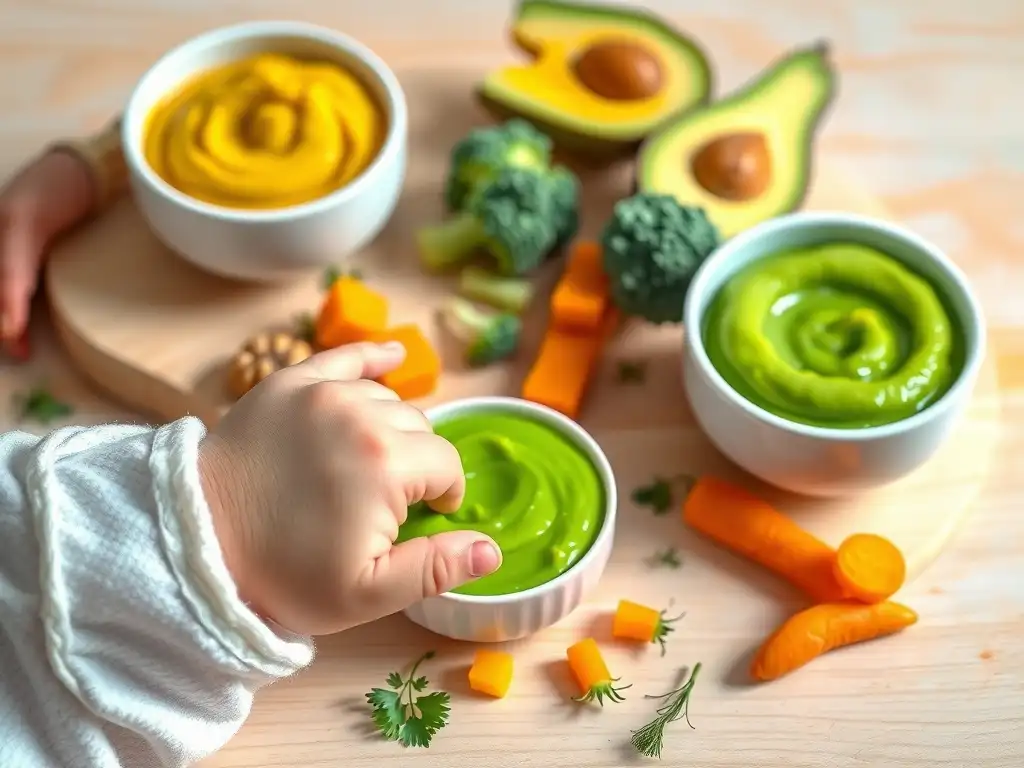
Welcome to BabyCareHub, your ultimate guide to navigating the incredible journey of parenthood! Are you ready to embark on a path filled with joy, growth, and the occasional sleepless night? We're here to support you every step of the way. Discover the secrets to a thriving little one, from mastering those first few months to fostering healthy development. Intrigued by the benefits of organic baby food? Dive into our comprehensive guide on Organic Baby Food Recipes and give your baby the best possible start. Let's begin this exciting adventure together!
-
Understanding Organic Baby Food: Benefits and Considerations
- What Makes Baby Food "Organic"? Defining Organic Standards and Certifications
- Nutritional Advantages of Organic Baby Food: Vitamins, Minerals, and Antioxidants
- Potential Risks and Concerns: Pesticides and Other Contaminants in Non-Organic Options
- Choosing Organic: A Guide to Selecting High-Quality Organic Baby Food
-
Organic Baby Food Recipes: Simple and Nutritious Meals for Your Little One
- First Foods: Pureed Vegetables and Fruits (Organic Baby Food Recipes for Beginners)
- Stage 1: Simple Purees (Organic Baby Food Recipes: 4-6 Months)
- Stage 2: Introducing Textures (Organic Baby Food Recipes: 6-8 Months)
- Stage 3: More Complex Meals (Organic Baby Food Recipes: 8-12 Months)
- Creating Your Own Organic Baby Food at Home: A Step-by-Step Guide
- Organic Baby Food vs. Non-Organic: A Detailed Comparison
- Making the Switch to Organic: Tips and Resources
- Common Questions About Organic Baby Food Answered
- Frequently Asked Questions
- Final Reflection: Nourishing Futures, One Bite at a Time
- Unleash Your Baby's Inner Foodie: Start Their Organic Journey Today!
Understanding Organic Baby Food: Benefits and Considerations
Choosing the right food for your little one is a top priority for every new parent. Navigating the world of baby food can feel overwhelming, especially when faced with the decision between organic and non-organic options. This comprehensive guide delves into the world of organic baby food, exploring its benefits, potential concerns, and helping you make an informed choice that best supports your baby's healthy development.
We'll examine what constitutes "organic," the nutritional advantages, and potential risks associated with non-organic alternatives, ultimately empowering you to select the best path for your baby's nutritional journey. This article will equip you with the knowledge to confidently navigate the world of organic baby food recipes and make decisions that align with your family's values and your baby's well-being.
Remember, a well-informed decision is the first step towards providing your baby with the best possible start in life. Let's explore the delicious and nutritious world of organic baby food together!
What Makes Baby Food "Organic"? Defining Organic Standards and Certifications
The term "organic" isn't just a marketing buzzword; it's a legally defined standard that ensures certain practices are followed throughout the production process. To be labeled "organic," baby food must meet strict criteria set by governing bodies like the USDA (in the US) or equivalent organizations in other countries. These regulations typically cover various aspects, including:
- Farming Practices: Organic farming prohibits the use of synthetic pesticides, herbicides, fertilizers, and genetically modified organisms (GMOs). Instead, it relies on natural methods such as crop rotation, composting, and natural pest control.
- Livestock Management: For organic meat-based baby foods, animals must be raised without antibiotics or hormones, and have access to pasture.
- Processing and Handling: Organic processing facilities must maintain strict standards to prevent contamination from non-organic ingredients.
- Certification: To ensure compliance, organic baby food producers undergo regular inspections and certifications by authorized agencies. Look for certifications such as the USDA Organic seal (in the US) or equivalent international certifications to verify the product's authenticity.
This rigorous process ensures that organic baby food is free from harmful chemicals and produced in a sustainable manner, providing parents with a higher level of assurance about the food they give their babies. Understanding these standards helps you make informed choices when selecting organic baby food for your child.
Nutritional Advantages of Organic Baby Food: Vitamins, Minerals, and Antioxidants
While more research is needed to definitively quantify all differences, many believe that organic baby food offers several potential nutritional advantages compared to its non-organic counterparts. Studies suggest that organically grown produce may contain higher levels of certain essential nutrients.
- Higher Antioxidant Levels: Some research indicates that organically grown fruits and vegetables may have significantly higher concentrations of antioxidants, compounds that protect cells from damage. Antioxidants play a crucial role in boosting the immune system and protecting against chronic diseases.
- Increased Mineral Content: Organic farming practices may lead to higher levels of certain minerals, like iron and zinc, which are vital for a baby's growth and development.
- Reduced Pesticide Residues: The absence of synthetic pesticides in organic baby food eliminates the potential exposure of your baby to these chemicals, which some studies have linked to various health concerns.
It's important to note that the nutritional differences between organic and non-organic baby food can vary depending on factors such as soil conditions, growing season, and specific produce. However, the potential benefits associated with higher nutrient and antioxidant levels contribute to the overall appeal of organic options for many parents.
Potential Risks and Concerns: Pesticides and Other Contaminants in Non-Organic Options
Non-organic baby food may contain residues of pesticides and other potentially harmful chemicals. While regulatory agencies set limits on pesticide levels, some parents prefer to minimize their baby's exposure to these substances altogether. The potential long-term health effects of pesticide exposure in infants are still being studied, and the precautionary principle often guides parents towards organic choices.
Furthermore, non-organic farming practices often involve the use of synthetic fertilizers which can contribute to environmental concerns, such as water pollution and soil degradation. These environmental impacts are a factor for many environmentally conscious parents when choosing baby food. Choosing organic baby food is one way to reduce exposure to potentially harmful chemicals and support sustainable agriculture. The decision ultimately rests with each parent based on their individual risk tolerance and values.
Choosing Organic: A Guide to Selecting High-Quality Organic Baby Food
Choosing organic baby food is a significant decision for many parents, driven by a desire to provide the purest and healthiest nutrition for their little ones. However, navigating the world of organic baby food can be confusing. This section will guide you through the key factors to consider when selecting high-quality organic baby food, helping you make informed choices for your baby's well-being.
One crucial aspect is understanding the labeling. Look for certifications like the USDA Organic seal. This seal guarantees that the product meets strict standards for organic farming, meaning it's free from synthetic pesticides, herbicides, and genetically modified organisms (GMOs). Don't be fooled by misleading labels; some products may use the term "organic" loosely. Always verify the presence of the official USDA Organic seal to ensure authenticity.
Beyond certification, pay close attention to the ingredient list. Opt for products with simple, recognizable ingredients. The fewer ingredients, the better. Avoid those containing added sugars, salts, or artificial flavors and colors. Ideally, the ingredients should be predominantly whole foods like fruits, vegetables, and grains. For example, a simple organic sweet potato puree should only list sweet potatoes as the ingredient. Anything beyond that might indicate unnecessary additives.
Consider the sourcing and processing methods. Look for brands that transparently disclose their sourcing practices. Knowing where the ingredients are grown and how they are processed can provide peace of mind. Some companies emphasize sustainable farming practices, further enhancing the quality and environmental impact of their products. This commitment to sustainability can be a valuable factor when making your selection.
Finally, remember that the best organic baby food is tailored to your baby's developmental stage. Start with single-ingredient purees to identify any potential allergies before introducing more complex combinations. Gradually introduce new flavors and textures as your baby grows, following your pediatrician's recommendations. Remember, variety is key to ensuring your baby receives a broad range of nutrients. This careful and gradual approach minimizes the risk of allergic reactions and ensures a smooth transition to solid foods. The transition to solids is a significant milestone, and choosing the right organic baby food can make all the difference.
Organic Baby Food Recipes: Simple and Nutritious Meals for Your Little One
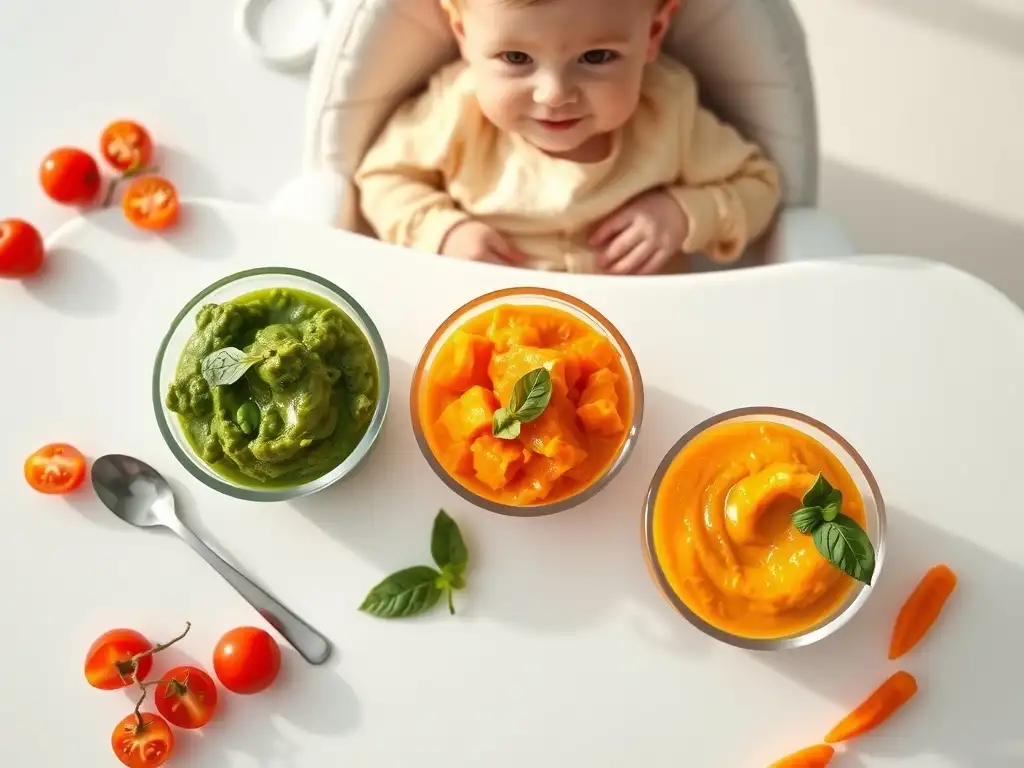
This section provides a collection of organic baby food recipes, categorized by developmental stage, to help you create healthy and delicious meals for your little one. Remember to always consult your pediatrician before introducing new foods to your baby's diet. These recipes prioritize fresh, organic ingredients to minimize exposure to pesticides and other potentially harmful substances.
The focus is on simple preparation methods suitable even for busy parents. We'll explore the transition from purees to more textured foods, offering options to cater to your baby's evolving palate and digestive system. Finding the right organic baby food recipes can be a journey, but with these guidelines, you'll be well-equipped to provide nutritious meals tailored to your baby's needs.
First Foods: Pureed Vegetables and Fruits (Organic Baby Food Recipes for Beginners)
Introducing solids is a significant milestone. For babies aged 4-6 months, starting with pureed vegetables and fruits is generally recommended. These foods are gentle on the digestive system and provide essential vitamins and nutrients. Simplicity is key at this stage. Avoid added salt, sugar, or spices.
Here are a few simple organic baby food recipes perfect for the first few weeks of solids:
- Sweet Potato Puree: Steam or bake a small organic sweet potato until soft. Blend until smooth, adding a little breast milk or formula for desired consistency. This is a great source of Vitamin A and fiber.
- Avocado Puree: Half a ripe, organic avocado mashed with a fork. Avocado is rich in healthy fats and easy to digest.
- Green Bean Puree: Steam organic green beans until tender. Blend until smooth. This offers a good source of vitamins K and C.
Remember to introduce one new food at a time, waiting 2-3 days to observe for any allergic reactions before introducing another. Keep a food diary to track your baby's progress and any potential reactions. Always ensure the food is thoroughly cooled before serving. Small portions are ideal for first-time eaters.
Stage 1: Simple Purees (Organic Baby Food Recipes: 4-6 Months)
Stage 1 focuses on single-ingredient purees to assess your baby's tolerance to various foods. This is crucial for identifying potential allergies early. The consistency should be very smooth, almost liquid-like, to avoid choking hazards.
Here are some additional organic baby food recipes for this stage:
| Food | Preparation | Nutritional Benefits |
|---|---|---|
| Carrot Puree | Steam organic carrots until soft. Blend until smooth. | Vitamin A, fiber |
| Butternut Squash Puree | Steam or bake organic butternut squash until soft. Blend until smooth. | Vitamin A, Vitamin C, fiber |
| Pear Puree | Steam or bake organic pears until soft. Blend until smooth. | Fiber, Vitamin C |
Remember to always check for potential allergens and introduce new foods one at a time, observing for any reactions. Consistency is key – aim for a smooth, easily digestible puree.
Stage 2: Introducing Textures (Organic Baby Food Recipes: 6-8 Months)
As your baby gets older (6-8 months), you can start introducing more texture to their meals. This helps develop their chewing skills and prepares them for more diverse foods. You can start with finely mashed foods and gradually increase the chunkiness.
Here are some examples of organic baby food recipes suitable for Stage 2:
- Mashed Banana with Oatmeal: Mash a ripe organic banana and mix in a small amount of cooked organic oatmeal. This adds fiber and helps with digestion.
- Scrambled Eggs (finely chopped): Cook organic eggs until well-done and finely chop them before serving. Eggs are an excellent source of protein. Introduce this after any potential allergies to eggs have been ruled out.
- Sweet Potato and Apple Mash: Steam organic sweet potato and apple until soft. Mash together, leaving some small chunks for texture.
Remember to always supervise your baby while they are eating and ensure the food is cut into appropriately sized pieces to prevent choking. Introduce new textures gradually, monitoring your baby's response and adjusting the consistency as needed. This stage is all about building their chewing skills and expanding their taste palette with wholesome, organic ingredients. 🎉 Enjoy this exciting phase of your baby's development!
Stage 3: More Complex Meals (Organic Baby Food Recipes: 8-12 Months)
By 8 months, your baby's palate is developing rapidly, and they're ready for more complex textures and flavors. This stage introduces a wider variety of organic ingredients and cooking methods, paving the way for family-style meals later on. Think finely chopped vegetables, soft cooked meats, and a broader range of fruits. Remember to always introduce new foods one at a time, waiting 2-3 days to observe for any allergic reactions.
One popular option at this stage is lentil stew. A simple recipe involves finely diced carrots, sweet potatoes, and lentils simmered in organic vegetable broth until tender. The lentils provide excellent protein and fiber, while the vegetables offer crucial vitamins and minerals. You can blend this to a smoother consistency or leave it slightly chunky, depending on your baby's preference and chewing abilities.
Another great option is chicken and vegetable puree. Use organic, free-range chicken breast, poached and shredded, combined with steamed and pureed broccoli and peas. This provides a good source of lean protein and essential nutrients. Always ensure the chicken is thoroughly cooked to avoid any risk of salmonella.
Remember to adjust the consistency based on your baby's developmental stage. Some babies might still need a completely pureed texture, while others may be ready for slightly chunkier meals. Always supervise your baby while they are eating to prevent choking hazards.
Introducing finger foods, like soft cooked organic sweet potato sticks or avocado slices, can also be a fun way to encourage self-feeding and develop fine motor skills. This stage is all about expanding your baby's culinary horizons while ensuring their nutritional needs are met with wholesome, organic ingredients. Remember to consult your pediatrician if you have any concerns about your baby's dietary needs or development.
Creating Your Own Organic Baby Food at Home: A Step-by-Step Guide
Making your own organic baby food offers unparalleled control over ingredients and freshness. It's easier than you might think, and the rewards are significant. Here's a step-by-step guide to get you started:
- Ingredient Selection: Choose certified organic fruits and vegetables whenever possible. Prioritize seasonal produce for optimal flavor and nutrient content. Look for varieties with minimal pesticide residue. For protein sources, opt for organic, free-range meats and poultry.
- Preparation: Thoroughly wash all produce under cold running water. Peel and chop fruits and vegetables into small, even pieces to ensure even cooking. For meats, choose lean cuts and cook until fully cooked through.
- Cooking: Steaming is generally the preferred method for preserving nutrients. You can use a steamer basket over a pot of boiling water or a dedicated steamer. Alternatively, you can boil or bake the ingredients, but steaming tends to minimize nutrient loss.
- Blending: Once cooked, allow the ingredients to cool slightly before blending. Use an immersion blender or a regular blender to achieve the desired consistency. For younger babies, a completely smooth puree is best. As your baby grows, you can gradually increase the chunkiness.
- Storage: Portion the prepared food into ice cube trays or small containers. Freeze for up to 3 months for optimal freshness. Always label and date the containers. When ready to serve, thaw overnight in the refrigerator and warm gently before feeding.
Remember to always supervise your baby during mealtimes and introduce new foods one at a time to monitor for allergic reactions. Making your own organic baby food is a rewarding experience, allowing you to create nutritious and delicious meals tailored to your baby's needs and preferences. It's a great way to ensure your little one receives the best possible start with wholesome, organic ingredients. Don't be afraid to experiment with different flavor combinations and textures as your baby grows. This journey is as much about exploring flavors as it is about providing essential nutrients. Enjoy the process!
Organic Baby Food vs. Non-Organic: A Detailed Comparison
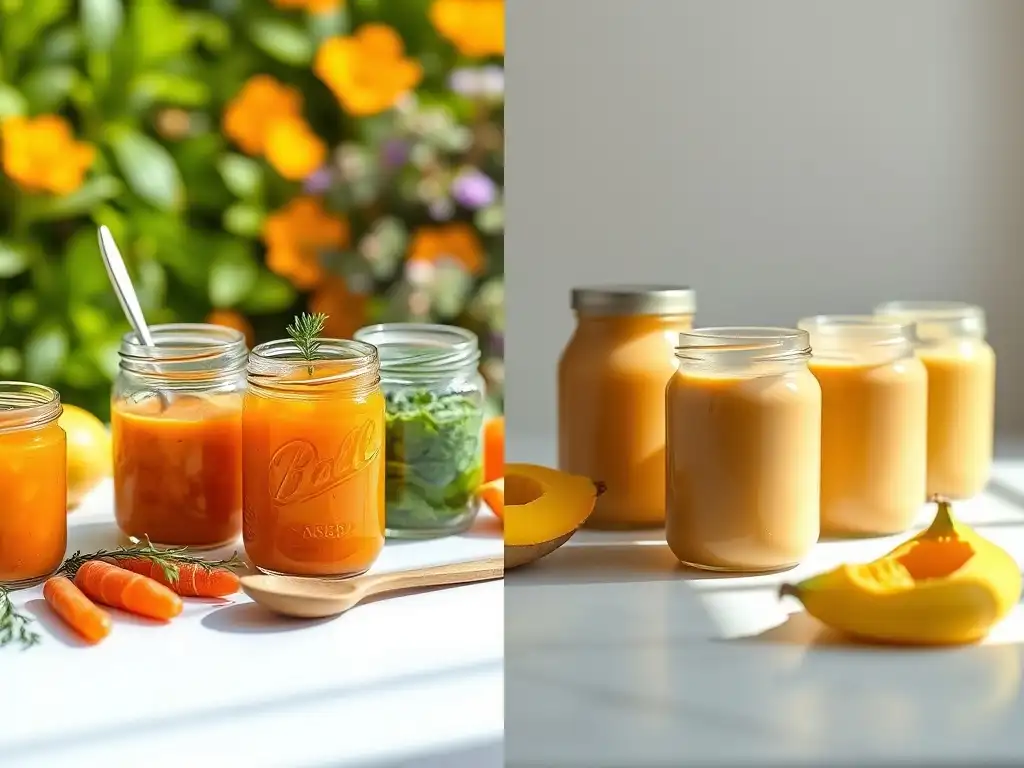
This section delves into a direct comparison of organic and non-organic baby food, focusing on key aspects crucial for informed decision-making. Choosing the right food for your little one is a significant step in their healthy development, and understanding the nuances between these options is paramount. We'll explore cost, taste, texture, and environmental impact to help you make the best choice for your family.
Cost Comparison: Organic vs. Non-Organic Baby Food Prices
The price difference between organic and non-organic baby food is a significant factor for many parents. Generally, organic baby food commands a higher price tag. This is due to several factors, including higher production costs associated with organic farming practices. Organic farmers often face challenges like lower yields and increased labor requirements due to the prohibition of synthetic pesticides and fertilizers.
Let's look at some hypothetical examples to illustrate the price disparity:
| Product Type | Non-Organic Price (per jar) | Organic Price (per jar) | Price Difference (%) |
|---|---|---|---|
| Sweet Potato Puree | $1.50 | $2.50 | 66.7% |
| Green Bean Puree | $1.25 | $2.25 | 80% |
| Mixed Vegetable Puree | $1.75 | $3.00 | 71.4% |
Note: These prices are illustrative and can vary significantly depending on brand, retailer, and location.
While the initial cost may seem higher, consider the potential long-term health benefits and reduced exposure to pesticides, which could offset the increased expense in the long run. Many parents find the peace of mind associated with organic food to be worth the premium.
Taste and Texture Differences: Organic vs. Non-Organic Baby Food
While scientific studies comparing the precise taste and texture differences between organic and non-organic baby food are limited, anecdotal evidence and consumer reviews suggest some variations. Many parents report that organic baby food often possesses a more vibrant color and a fresher, slightly sweeter taste. This is potentially attributed to the absence of synthetic pesticides and fertilizers, which could affect the natural flavor profiles of the ingredients.
The texture can also differ subtly. Some suggest that organic purees might have a slightly coarser texture, reflecting the use of less processed ingredients. However, this is not a universal observation and depends largely on the specific brand and processing methods used. Ultimately, the preference for taste and texture is subjective and varies from baby to baby. Introducing a variety of flavors and textures early on is recommended regardless of whether you choose organic or non-organic options. A baby’s palate is developing rapidly, and diversity is key.
Environmental Impact: Sustainable Choices with Organic Baby Food
Choosing organic baby food contributes to a more sustainable future. Organic farming practices generally minimize the use of harmful pesticides and fertilizers, reducing water pollution and protecting biodiversity. Furthermore, organic agriculture often promotes soil health and carbon sequestration, mitigating the impact of climate change.
The reduced reliance on synthetic inputs in organic farming translates to a lower environmental footprint compared to conventional agriculture. However, the transportation and packaging of baby food, regardless of its organic status, also contributes to the overall environmental impact. Considering the entire lifecycle of the product, from farm to table, is crucial for a comprehensive assessment.
Look for brands committed to sustainable packaging practices, such as using recyclable or compostable materials, to further reduce the environmental burden. Supporting brands that prioritize environmentally responsible sourcing and production methods is another way to make a positive impact. Ultimately, making informed choices in your baby's food selection can contribute to a healthier planet for future generations.
Making the Switch to Organic: Tips and Resources
Switching your baby to organic food can feel like a big leap, but with careful planning and the right resources, it's entirely manageable. Remember, the goal is to gradually introduce organic options while ensuring your baby's nutritional needs are met. This transition shouldn't be stressful; it should be a positive step towards providing your little one with the best possible start.
Finding Organic Baby Food: Local Stores and Online Retailers
Locating organic baby food is easier than ever before. Many mainstream grocery stores now dedicate sections to organic products, including a growing selection of baby food jars, pouches, and even frozen options. Check your local supermarkets for brands specializing in organic baby food. Look for stores with robust organic sections – these stores often carry a wider variety of options, including less common fruits and vegetables.
Beyond brick-and-mortar stores, online retailers offer unparalleled convenience and selection. You can find niche brands and unique organic baby food options not available locally. Many online platforms specialize in organic and healthy products, often offering subscription services for regular deliveries, making it easy to maintain a consistent supply of organic baby food. Compare prices and shipping costs across different online retailers to find the best deal. Remember to check reviews to ensure the retailer is reliable and provides fresh, high-quality products.
Budget-Friendly Tips for Organic Baby Food Shopping
While organic baby food can sometimes be more expensive than conventional options, several strategies can help you manage the cost effectively:
- Buy in bulk: When possible, purchasing larger quantities of organic baby food (where appropriate for freshness) can often lead to lower per-unit costs.
- Look for sales and discounts: Check weekly flyers and utilize coupon apps to take advantage of price reductions. Many stores offer discounts on organic products periodically.
- Make your own: One of the most cost-effective ways to feed your baby organically is to prepare your own homemade organic baby food. This gives you complete control over ingredients and avoids packaging costs. Numerous online resources offer simple and delicious organic baby food recipes.
- Prioritize key items: Focus on buying organic versions of foods known for higher pesticide residues, such as strawberries, spinach, and apples. For other fruits and vegetables, choosing conventional options might be a more budget-friendly approach without significantly compromising nutritional value.
- Compare brands: Prices for organic baby food vary significantly across brands. Comparing prices per ounce can help you identify the most affordable options without sacrificing quality.
Remember, even small steps towards incorporating more organic foods into your baby's diet can make a difference.
Storage and Handling of Organic Baby Food: Best Practices
Proper storage and handling are crucial to maintaining the quality and safety of organic baby food, preserving its nutritional value and minimizing the risk of spoilage.
- Refrigeration: Once opened, refrigerate all organic baby food jars and pouches immediately. Discard any leftover food after 24 hours.
- Freezing: Homemade organic baby food or unopened pouches can be frozen for longer storage. Ensure proper labeling with the date of freezing.
- Thawing: When thawing frozen organic baby food, always thaw it in the refrigerator overnight. Never thaw at room temperature to avoid bacterial growth. Once thawed, use within 24 hours.
- Food safety: Always wash your hands thoroughly before preparing or handling baby food. Ensure all utensils and surfaces are clean. Discard any food that shows signs of spoilage, such as mold or an off-putting odor.
- Temperature: Avoid exposing organic baby food to extreme temperatures, which can degrade its nutritional content and potentially promote bacterial growth.
Following these guidelines will help you ensure your baby receives the full benefits of organic baby food while maintaining optimal food safety practices. Remember, a happy and healthy baby is the ultimate goal! 👶
Common Questions About Organic Baby Food Answered
Choosing the right food for your little one is a big decision, and the organic vs. non-organic debate can be confusing. Let's address some frequently asked questions about organic baby food to help you make an informed choice for your baby's nutritional journey.
Is Organic Baby Food Really Necessary?
The question of whether organic baby food is necessary is complex and depends heavily on individual priorities and values. There's no single definitive answer.
Organic certification means the food was produced without synthetic pesticides, herbicides, fertilizers, genetically modified organisms (GMOs), and growth hormones. 1 Some parents believe these factors reduce potential exposure to harmful chemicals, leading to a healthier baby. Studies exploring the long-term health effects of pesticide exposure in infants are ongoing and results are varied, making it difficult to definitively state a benefit. However, many parents prioritize minimizing potential exposure as a precautionary measure.
Conversely, non-organic baby food is often more affordable and readily available. The nutritional value of both organic and non-organic options can be similar, particularly when focusing on nutrient-dense ingredients. The choice often comes down to a parent's personal risk assessment and budget. A balanced diet, regardless of whether it's organic or not, is crucial for your baby's healthy development.
Are There Any Downsides to Feeding My Baby Organic Food?
While the benefits of organic baby food are often touted, it's important to acknowledge potential drawbacks:
- Cost: Organic baby food is typically more expensive than conventionally produced alternatives. This increased cost can be a significant factor for families on a budget.
- Availability: The range of organic baby food options, particularly in certain regions, may be more limited compared to non-organic choices.
- Potential for Allergens: Organic farming practices don't inherently eliminate the risk of allergens. Babies can still develop allergies to organically grown foods. Careful introduction of new foods, one at a time, remains crucial for allergy monitoring.
It's vital to weigh these potential downsides against your family's values and financial resources. A well-planned, diverse diet, whether organic or not, is paramount.
How Can I Ensure My Homemade Organic Baby Food is Safe?
Making your own organic baby food offers greater control over ingredients and avoids additives commonly found in commercially prepared options. However, ensuring safety is paramount. Here are key steps to follow:
- Source High-Quality Ingredients: Choose certified organic fruits and vegetables from reputable sources. Wash produce thoroughly under running water before preparation.
- Proper Food Handling: Maintain strict hygiene throughout the process. Wash your hands, utensils, and surfaces thoroughly. Prepare food in a clean environment.
- Safe Cooking Methods: Steam or gently simmer ingredients to preserve nutrients and avoid burning. Avoid adding salt, sugar, or honey to your baby's food.
- Proper Storage: Store homemade baby food in airtight containers in the refrigerator for up to 3 days or freeze for longer storage (up to 3 months). Always thaw frozen food safely in the refrigerator.
- Monitor for Spoilage: Discard any food that shows signs of spoilage, such as mold or an off odor.
Creating your own organic baby food can be rewarding, but meticulous attention to detail is crucial to ensure your baby's safety and well-being. Remember, consistency and hygiene are key to preventing contamination.
1 Specific organic certification standards may vary by region and governing body.
Frequently Asked Questions
What are the benefits of feeding my baby organic baby food?
Organic baby food is free from pesticides and harmful chemicals, leading to a healthier start for your little one. It also often contains higher levels of nutrients.
Where can I find organic baby food recipes?
BabyCareHub provides a wealth of organic baby food recipes designed for different developmental stages. You can also find many recipes online and in cookbooks specifically for babies.
How do I ensure the safety of homemade organic baby food?
Thorough washing of produce and proper cooking techniques are crucial. Always follow recommended guidelines for food safety to prevent contamination.
When should I start introducing organic baby food to my baby?
The recommended age for introducing solids is typically around 6 months old, but always consult your pediatrician for personalized advice based on your baby's development.
Are all organic baby foods the same?
No, the nutritional content and ingredients can vary significantly between brands and even recipes. Look for recipes that are age-appropriate and focus on diverse, nutrient-rich ingredients.
Final Reflection: Nourishing Futures, One Bite at a Time
The choice of organic baby food isn't just a trend; it's a fundamental decision shaping the health and well-being of our next generation. From the soil to the spoon, the journey of organic baby food speaks volumes about our commitment to a healthier future, a future where prioritizing natural, wholesome ingredients is the norm, not the exception. This commitment directly impacts the development of our children's immune systems, their long-term health, and ultimately, the health of our planet.
The impact of choosing organic extends far beyond the individual child. It ripples outwards, influencing farming practices, supporting sustainable agriculture, and promoting a deeper connection between food and its source. We don't inherit the earth from our ancestors; we borrow it from our children.
This quote underscores the responsibility we have to ensure we're leaving behind a world rich in healthy food choices, a world where our children can thrive. The shift towards organic baby food reflects a growing awareness of this responsibility, a conscious effort to nurture not only our children's bodies but also the environment that sustains them.
Now, consider your own approach to feeding your little one. What ingredients are you prioritizing? What values are guiding your choices? Take a moment to reflect on the power you hold in shaping your child's future, one nutritious meal at a time. Embrace the journey of exploring organic baby food recipes, experiment with flavors, and savor the joy of nourishing your child with the best possible start. Let's build a future where healthy, organic food is accessible to all, ensuring every child has the opportunity to flourish.
Unleash Your Baby's Inner Foodie: Start Their Organic Journey Today!
Thank you for learning about the amazing benefits of organic baby food! We hope you feel empowered to make healthier choices for your little one. Now, let's put that knowledge into action.
- Create a personalized organic meal plan: Begin by selecting a few organic fruits and vegetables you think your baby will enjoy, perhaps based on the suggestions in this article. Then, develop a simple weekly menu using those ingredients.
- Share your organic food adventures: Tell us about your baby's favorite organic meals in the comments below! Let's build a supportive community of parents dedicated to healthy eating.
- Explore creative ways to introduce new organic textures and flavors—such as purees, finger foods, and even homemade baby muffins!
What exciting new organic food are you planning to introduce to your baby's diet?