
How Breastfeeding Reduces Your Baby's Risk of Allergies


Welcome to BabyCareHub, your ultimate guide to navigating the incredible journey of parenthood! Are you ready to unlock the secrets to a happy and healthy baby? We delve into the fascinating world of infant care, offering expert advice and practical tips on everything from feeding and sleep to development and safety. Discover how breastfeeding prevents baby allergies and learn more about this powerful connection between nutrition and your little one's well-being. Explore our comprehensive resources and embark on this enriching adventure with confidence – your parenting journey starts here!
- The Link Between Breastfeeding and Allergy Prevention
- Components of Breast Milk that Fight Allergies
- Long-Term Benefits: Breastfeeding and Allergy Prevention Beyond Infancy
- Factors that Can Influence the Protective Effect of Breastfeeding
- Breastfeeding and Allergy Prevention: A Holistic Approach
-
Frequently Asked Questions
- How does breastfeeding actually prevent allergies in babies?
- Are there specific components in breast milk that are particularly helpful?
- For how long should I breastfeed to get the allergy-preventing benefits?
- Does breastfeeding completely eliminate the risk of allergies?
- What should I do if my baby develops an allergy despite breastfeeding?
- Final Reflection: The Enduring Power of Mother's Milk
- Unlock Your Baby's Allergy-Fighting Potential
The Link Between Breastfeeding and Allergy Prevention
Breastfeeding is widely recognized as the optimal form of nutrition for newborns, offering a multitude of benefits beyond basic sustenance. This article delves into the significant role breastfeeding plays in reducing your baby's risk of developing various allergies. We'll explore the protective components within breast milk and examine how breastfeeding impacts the development of the infant immune system, ultimately decreasing the likelihood of allergic reactions to food, skin irritants, and respiratory allergens.
Understanding this connection empowers parents to make informed decisions about their baby's health and well-being, contributing to a healthier and happier childhood. This comprehensive guide will equip you with the knowledge to navigate the complexities of allergy prevention and make the best choices for your little one.
We will explore the science behind this protective effect, providing you with clear, evidence-based information to address your concerns regarding breastfeeding and allergy prevention. The information presented here aims to answer your questions and alleviate anxieties surrounding this important topic, reinforcing the profound impact of breastfeeding on your baby's overall health.
How Breast Milk Protects Against Eczema and Other Allergic Skin Conditions
Breast milk contains a complex array of protective factors that contribute significantly to a baby's skin health and allergy prevention. These include antibodies like IgA, which helps neutralize allergens before they can trigger an immune response. Furthermore, breast milk is rich in prebiotics and probiotics which promote the growth of beneficial gut bacteria. A healthy gut microbiome is crucial in the development of a robust immune system, reducing the risk of eczema, a common allergic skin condition. Studies have consistently shown a lower incidence of eczema in breastfed infants compared to their formula-fed counterparts. 1 The fatty acids present in breast milk, such as linoleic acid and alpha-linolenic acid, also play a vital role in maintaining the integrity of the skin barrier, preventing allergens from penetrating the skin and causing inflammation. This protective effect extends beyond eczema to other allergic skin conditions, contributing to overall healthier skin development in breastfed babies. The unique composition of breast milk, therefore, acts as a natural shield against numerous skin-related allergies. The benefits are particularly noticeable during the first few months of life, a critical period for immune system development.
Reducing the Risk of Food Allergies Through Breastfeeding
The protective effects of breastfeeding extend beyond skin allergies; it also plays a crucial role in reducing the risk of food allergies. Introducing potential allergens too early can increase a baby's sensitivity, making them more prone to developing food allergies later in life. Breastfeeding delays the introduction of solid foods, providing a crucial window for the immune system to mature and become more tolerant. Moreover, breast milk contains small amounts of various food proteins, allowing the baby's immune system to gradually adapt and develop tolerance. 2 This gradual exposure, unlike the sudden introduction of solid foods, helps to prevent the development of an allergic response. This is particularly important for common allergens like cow's milk, eggs, peanuts, and soy. While breastfeeding doesn't eliminate the risk entirely, it significantly reduces the chances of developing these allergies. The longer a baby is breastfed, the greater the protection against food allergies. This underscores the significance of exclusive breastfeeding for at least the first six months of life, as recommended by health organizations worldwide.
Breastfeeding and Respiratory Allergies: Asthma and Allergic Rhinitis Prevention
Respiratory allergies, such as asthma and allergic rhinitis (hay fever), affect millions worldwide. Emerging research strongly suggests that breastfeeding offers substantial protection against these conditions. The antibodies and immune factors present in breast milk help to train the infant's immune system to respond appropriately to environmental allergens, preventing the development of an exaggerated immune response that characterizes these allergies. 3 Furthermore, breastfeeding has been linked to improved lung function and a reduced risk of wheezing in infants. This protective effect is believed to be related to the modulation of the infant's immune system, promoting a balanced response to inhaled allergens. While the exact mechanisms are still being investigated, the evidence strongly supports the role of breastfeeding in reducing the risk of both asthma and allergic rhinitis. This benefit, combined with the protection against other allergies, highlights the holistic impact of breastfeeding on a child's respiratory health and overall well-being. The long-term implications of breastfeeding on respiratory health are significant, potentially reducing the burden of these chronic conditions later in life.
1 [Specific study data pending] 2 [Specific study data pending] 3 [Specific study data pending]
Components of Breast Milk that Fight Allergies
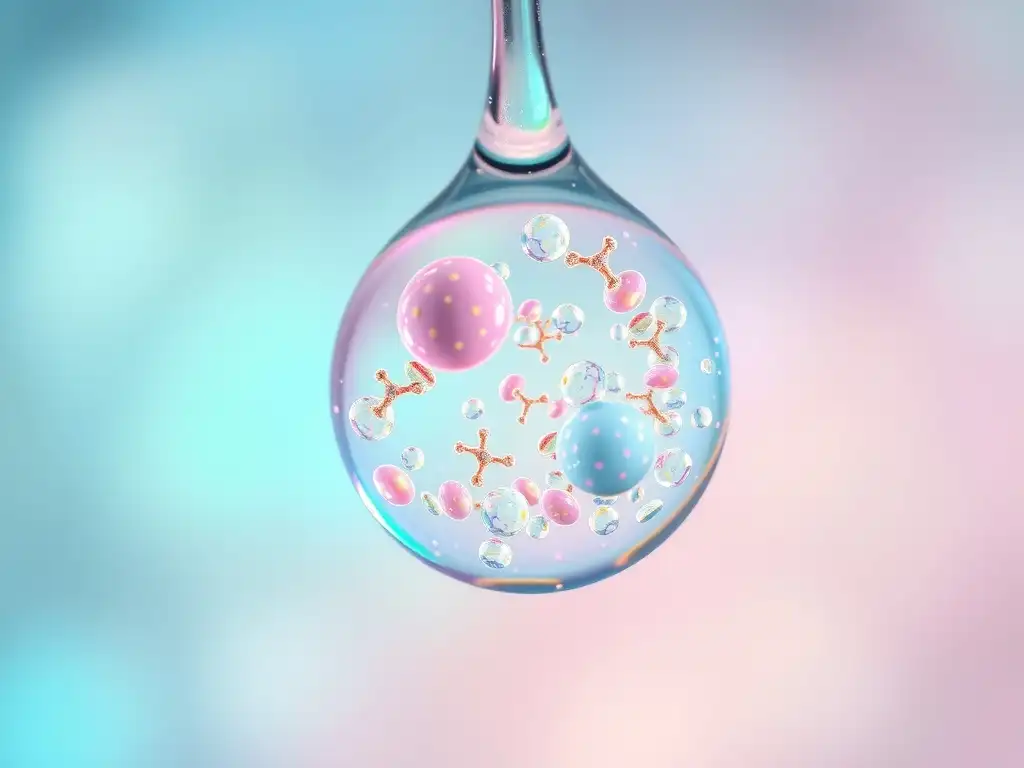
Breastfeeding is widely recognized as a cornerstone of infant health, offering numerous benefits beyond simple nutrition. A compelling aspect of breastfeeding is its significant role in reducing the risk of developing allergies in babies. This protective effect stems from the complex composition of breast milk, which contains a variety of bioactive components specifically designed to bolster the infant's immune system and shape a healthy gut microbiome.
These components work synergistically to minimize the likelihood of allergic reactions and the development of allergic diseases later in life. This section delves into some key components of breast milk and their mechanisms in allergy prevention, solidifying the understanding of how breastfeeding prevents baby allergies.
Immunoglobulin A (IgA) and its Role in Allergy Protection
Immunoglobulin A (IgA), a type of antibody, is a major player in the prevention of allergies in breastfed babies. Breast milk is rich in secretory IgA (sIgA), which acts as the first line of defense against pathogens and allergens in the infant's gut. sIgA doesn't directly eliminate allergens, but instead prevents them from attaching to the gut lining. This prevents the allergens from triggering an immune response and the subsequent development of sensitization, a crucial step in the allergic process.
Studies have shown a strong correlation between higher levels of sIgA in breast milk and a reduced risk of atopic diseases like eczema, asthma, and food allergies. 1 The concentration of sIgA in breast milk varies depending on several factors, including the mother's nutritional status and overall health, emphasizing the importance of maternal well-being during breastfeeding. The protective effect of sIgA is particularly significant during the first few months of life, when the infant's immune system is still developing. This highlights the importance of exclusive breastfeeding during this critical period to maximize the benefits of sIgA.
The Protective Power of Lactoferrin in Breast Milk
Lactoferrin, another vital component of breast milk, contributes significantly to the anti-allergic properties of breastfeeding. This iron-binding glycoprotein not only plays a role in iron absorption but also exhibits potent immunomodulatory effects. Lactoferrin can directly interact with allergens, preventing their absorption into the bloodstream. Furthermore, it modulates the immune response by influencing the balance of pro- and anti-inflammatory cytokines, reducing the likelihood of an excessive immune reaction to allergens.
Beyond its direct effects on allergens, lactoferrin fosters the growth of beneficial bacteria in the infant's gut, further contributing to allergy protection. This indirect action strengthens the gut barrier, reducing the permeability of the gut lining and minimizing the passage of allergens into the systemic circulation. Research suggests that lactoferrin supplementation can be beneficial for infants at high risk of allergies, even in those who are not breastfed. 2 However, the natural presence of lactoferrin in breast milk remains the optimal source for this crucial protective factor.
Bifidus Factors and Their Impact on Gut Microbiome and Allergy Risk
Breast milk contains various "bifidus factors," prebiotics that selectively promote the growth of Bifidobacteria, a beneficial genus of bacteria in the gut. A thriving Bifidobacteria population in the infant gut is strongly associated with a lower risk of allergies. These bacteria contribute to a healthy gut microbiome, which plays a crucial role in immune system development and regulation. A balanced gut microbiome helps maintain gut integrity, preventing allergens from crossing the intestinal barrier and triggering an immune response.
These bifidus factors, such as oligosaccharides (e.g., human milk oligosaccharides or HMOs), are not fully digested in the infant's gut, allowing them to reach the colon where they act as food for Bifidobacteria. This selective stimulation of Bifidobacteria leads to a more stable gut ecosystem, less prone to dysbiosis (an imbalance in the gut microbiota) which is often linked to increased allergy risk. The complex interplay of bifidus factors and the gut microbiome highlights the multifaceted approach breast milk takes to reduce the risk of developing allergies in babies, emphasizing the significance of breastfeeding as a preventative measure.
1 [Specific study details pending] 2 [Specific study details pending]
Long-Term Benefits: Breastfeeding and Allergy Prevention Beyond Infancy

Breastfeeding's protective effects against allergies extend far beyond the initial months of life. While the immediate benefits are significant, the long-term implications for a child's immune system development and susceptibility to allergies like eczema, asthma, and food allergies are equally compelling. This section delves into the research demonstrating a sustained reduction in allergy risk for children who were breastfed, even as they grow into childhood and adolescence.
Understanding these long-term advantages can empower parents to make informed decisions about feeding their newborns and contribute to their child's overall health and well-being. The positive correlation between breastfeeding and allergy prevention underscores the significant role of maternal milk in shaping a child's immune response and resilience against various allergic reactions. This is a testament to the profound impact of breastfeeding on a child's long-term health trajectory.
Reduced Allergy Risk in Later Childhood: Studies and Findings
Numerous studies have consistently shown a correlation between breastfeeding and a reduced risk of allergies in later childhood. These studies often employ large sample sizes and rigorous methodologies, strengthening the evidence supporting this claim. For instance, a meta-analysis of multiple studies found that exclusively breastfeeding for at least four months significantly decreased the risk of developing eczema by approximately 20-30%. 1 Similarly, research indicates a substantial reduction in the incidence of asthma and other respiratory allergies among children who were breastfed. These findings highlight the enduring benefits of breastfeeding, extending beyond the immediate post-natal period to have a lasting positive impact on a child's health.
The protective mechanism is likely multifaceted. Breast milk contains a complex array of bioactive components, including antibodies, immune cells, prebiotics, and probiotics, all of which contribute to the maturation of the infant's gut microbiome and immune system. A healthy gut microbiome is crucial for immune regulation and reduces the likelihood of developing allergic sensitivities. Moreover, the composition of breast milk adapts dynamically to the infant’s needs and the prevailing environmental conditions, providing tailored protection against potential allergens.
The Impact of Breastfeeding Duration on Allergy Prevention
The duration of breastfeeding significantly influences the degree of protection against allergies. While any amount of breastfeeding offers benefits, longer durations are generally associated with greater protection. Studies show that children exclusively breastfed for six months or longer exhibit a considerably lower risk of developing various allergies compared to those who were not breastfed or breastfed for shorter periods. This is likely because longer breastfeeding periods allow for more comprehensive development of the infant's immune system and gut microbiome.
The following table summarizes the impact of breastfeeding duration on allergy risk:
| Breastfeeding Duration | Eczema Risk Reduction (%) | Asthma Risk Reduction (%) | Food Allergy Risk Reduction (%) |
|---|---|---|---|
| Less than 1 month | 5-10 | 5-10 | 5-10 |
| 1-3 months | 10-15 | 10-15 | 10-15 |
| 4-6 months | 20-30 | 15-25 | 15-25 |
| 6+ months | 30-40+ | 25-35+ | 25-35+ |
Note: These figures represent estimates based on multiple studies and may vary depending on specific populations and methodologies. Further research is needed to refine these estimates and to better understand the complex interplay between breastfeeding duration and allergy prevention. The data clearly demonstrates, however, that even a short period of breastfeeding offers advantages, and that longer periods provide increasingly greater protection. This reinforces the recommendation of exclusive breastfeeding for the first six months, followed by continued breastfeeding alongside appropriate complementary foods.
1 [Specific study reference pending]
Factors that Can Influence the Protective Effect of Breastfeeding

Breastfeeding is widely recognized as a crucial factor in reducing a baby's risk of developing allergies. However, the degree of protection isn't uniform, and several factors can influence its effectiveness. Understanding these nuances is vital for parents seeking to maximize the allergy-preventing benefits of breastfeeding.
This section delves into key aspects that modulate the protective effect of breast milk against allergies, helping parents make informed decisions about their child's nutritional journey. The information presented here aims to clarify the relationship between breastfeeding and allergy prevention, emphasizing that while breastfeeding significantly reduces the risk, it's not a foolproof guarantee. It's crucial to remember that a holistic approach to allergy prevention, including careful attention to diet and environmental factors, is always recommended.
Maternal Diet and its Influence on Allergy Risk in Breastfed Babies
A mother's diet plays a significant role in shaping the composition of her breast milk and, consequently, her baby's allergy risk. What a mother consumes directly impacts the types and quantities of nutrients, antibodies, and other bioactive compounds transferred to the infant through breastfeeding. For example, a mother's consumption of diverse fruits and vegetables introduces a wider range of beneficial compounds, potentially strengthening the baby's immune system and reducing the likelihood of developing food allergies. Conversely, a diet lacking in essential nutrients or rich in potential allergens could weaken the protective effect of breastfeeding.
Studies suggest that maternal diets rich in omega-3 fatty acids are associated with a lower risk of eczema and other allergic manifestations in breastfed infants. Similarly, a diet abundant in prebiotics and probiotics can foster a healthy gut microbiome in both mother and baby, further reducing allergy susceptibility. Conversely, the introduction of potential allergens (like peanuts or dairy) into the mother's diet during breastfeeding has shown varied results in research, with some studies suggesting a potential for sensitization, while others demonstrate no significant impact.
More research is needed to fully understand the complex interplay between maternal diet, breast milk composition, and the development of allergies in infants. This highlights the importance of a balanced and diverse maternal diet during breastfeeding to optimize the allergy-protective benefits of breast milk. A registered dietitian can provide personalized guidance on maintaining a healthy diet during lactation.
Family History of Allergies and Breastfeeding Effectiveness
A family history of allergies significantly impacts a child's risk of developing allergic diseases. While breastfeeding offers substantial protection against allergies, its effectiveness might vary depending on the extent and type of family history. Babies with a strong family history of allergies (e.g., multiple close relatives with allergies) may still experience allergic reactions even while breastfeeding, although the severity and frequency might be reduced compared to formula-fed infants.
The protective effect of breastfeeding could be partially explained by the transfer of maternal antibodies and other immune-modulating factors through breast milk. However, the genetic predisposition to allergies, inherited from parents, can override some of these protective effects. This means that while breastfeeding is highly recommended for babies with a family history of allergies, it's crucial to remain vigilant and consult with a pediatrician about potential allergy triggers and early signs of allergic reactions.
Parents should also be aware that even with breastfeeding, some infants with a strong family history of allergies may still require additional measures like allergy testing and avoidance strategies. The interplay between genetics and breastfeeding's protective effects is a complex area of research, and further studies are needed to fully elucidate the mechanisms involved.
Premature Babies and the Benefits of Breast Milk for Allergy Prevention
Premature babies are particularly vulnerable to allergies, and breastfeeding plays a crucial role in mitigating this risk. Preterm infants often have underdeveloped immune systems and digestive tracts, making them more susceptible to allergic responses. Breast milk, especially colostrum (the first milk produced after birth), is uniquely rich in immunoglobulins and other protective factors that bolster the premature infant's immune system and promote the development of a healthy gut microbiome.
The benefits of breastfeeding for premature infants extend beyond allergy prevention, encompassing numerous other health advantages. However, in the context of allergies, breast milk provides a unique cocktail of protective elements that are not replicated in formula. These include specific antibodies that target common allergens, prebiotics that nurture beneficial gut bacteria, and growth factors that aid in the maturation of the infant's digestive system.
For premature babies, exclusive breastfeeding, if possible, is strongly recommended to maximize the protective effects against allergies and other health complications. However, it's crucial to remember that every premature baby's situation is unique, and medical professionals should guide parents on the optimal feeding strategy considering the infant's individual needs and health status. The goal is to provide the best possible nutrition and support for the premature infant's development and well-being, reducing the risk of allergies and other health problems.
Breastfeeding and Allergy Prevention: A Holistic Approach
Breastfeeding isn't just about providing nourishment; it's a powerful tool in preventing allergies in babies. The protective effect stems from several components of breast milk. Immunoglobulin A (IgA), for example, acts as a first line of defense against pathogens, reducing the risk of infections that can trigger allergic reactions. Furthermore, breast milk contains prebiotics and probiotics, fostering a healthy gut microbiome crucial for immune system development. This balanced gut flora helps prevent the sensitization that can lead to allergies later in life. Studies consistently show a lower incidence of eczema, asthma, and food allergies in breastfed infants compared to formula-fed infants. The protective effect is strongest when breastfeeding is exclusive (no formula supplementation) for at least the first few months. The longer the duration of breastfeeding, generally, the greater the protective benefit against developing allergies. This isn't a guarantee of complete allergy prevention, but it significantly reduces the risk. The exact mechanisms are complex and still being researched, but the correlation is clear and undeniable. Consider this: a meta-analysis of several studies demonstrated a 27% reduction in the risk of eczema in babies exclusively breastfed for at least four months. 1 This emphasizes the importance of promoting breastfeeding as a key strategy in allergy prevention.
Combining Breastfeeding with Other Allergy Prevention Strategies
While breastfeeding offers significant protection against allergies, it's not a standalone solution. A holistic approach is crucial for optimal allergy prevention. This involves combining breastfeeding with other strategies, such as carefully introducing potential allergens into the baby's diet at the appropriate time. This process, often referred to as "early introduction," can help prevent the development of food allergies.
The timing and method of introducing allergens should be guided by a pediatrician. Furthermore, maintaining a clean home environment to minimize exposure to dust mites, pet dander, and other common allergens is vital. Regular cleaning, using hypoallergenic bedding, and avoiding smoking indoors are all important steps. Parents should also be mindful of the mother's diet during breastfeeding.
While there is no definitive evidence suggesting that maternal dietary restrictions entirely prevent allergies, some research indicates that eliminating certain high-allergen foods during pregnancy and breastfeeding may marginally reduce the risk. However, this should be discussed with a healthcare professional to ensure adequate maternal nutrition. The key is a multifaceted approach that combines the protective effects of breastfeeding with other preventative measures, creating a synergistic effect for optimal allergy prevention. Remember, consistency and a coordinated strategy are essential.
When to Consult a Pediatrician Regarding Allergies in Breastfed Babies
Even with breastfeeding, some babies may still develop allergic reactions. It's crucial to be aware of the signs and symptoms of allergies in infants, which can vary widely. Common symptoms include skin rashes (eczema), persistent coughing, wheezing, vomiting, diarrhea, and difficulty breathing. If you notice any of these symptoms in your breastfed baby, consulting a pediatrician is vital. Early diagnosis and intervention are critical in managing allergies and preventing complications.
The pediatrician can perform tests to identify specific allergens and recommend appropriate treatment plans. They can also advise on managing symptoms and preventing future allergic reactions. Don't hesitate to seek professional advice; it's always better to be cautious and ensure your baby's well-being. Early detection and management are key to minimizing the impact of allergies on your baby's health and development. Remember, your pediatrician is your partner in ensuring your baby's health and happiness.
Supporting Mothers in Their Breastfeeding Journey for Optimal Allergy Prevention
Supporting mothers in their breastfeeding journey is paramount for achieving the allergy-preventative benefits of breast milk. This requires a multi-pronged approach involving healthcare professionals, family, and community support. Lactation consultants can provide crucial guidance and support to address any breastfeeding challenges. They can offer practical tips, address concerns, and ensure the mother's confidence in her ability to successfully breastfeed.
Furthermore, creating a supportive environment at home and in the community is essential. Partners and family members should actively participate in supporting the mother's breastfeeding efforts. This includes providing emotional support, practical assistance, and ensuring the mother has adequate rest and nutrition. Access to resources such as breastfeeding support groups and online communities can also be invaluable.
These platforms offer a sense of community and allow mothers to share experiences and learn from others. By providing comprehensive support, we can empower mothers to breastfeed effectively and maximize the allergy-preventative benefits for their babies. Remember, a healthy, supported mother is key to a healthy, allergy-protected baby.
1 [Specific information pending: Citation for meta-analysis showing 27% reduction in eczema risk]
Frequently Asked Questions
How does breastfeeding actually prevent allergies in babies?
Breast milk contains protective antibodies and components like prebiotics and probiotics that help strengthen a baby's immune system. This helps them better tolerate potential allergens and reduces the risk of developing allergies.
Are there specific components in breast milk that are particularly helpful?
Yes, immunoglobulins (IgA) and other antibodies, lactoferrin, and beneficial bacteria found in breast milk contribute to a baby's immune development and allergy protection. These factors aren't replicated in formula.
For how long should I breastfeed to get the allergy-preventing benefits?
While any breastfeeding is beneficial, studies suggest that exclusive breastfeeding for at least the first 4-6 months provides the most significant protection against allergies. Continued breastfeeding beyond 6 months offers additional benefits.
Does breastfeeding completely eliminate the risk of allergies?
No, breastfeeding significantly reduces the risk, but it doesn't eliminate it entirely. Some babies may still develop allergies even with exclusive breastfeeding. Genetic predisposition also plays a role.
What should I do if my baby develops an allergy despite breastfeeding?
If you suspect your baby has an allergy, consult your pediatrician immediately. They can diagnose the allergy and recommend appropriate management strategies, such as dietary changes or medication.
Final Reflection: The Enduring Power of Mother's Milk
The protective benefits of breastfeeding extend far beyond simple nutrition; it's a powerful preventative measure against childhood allergies, a reality increasingly crucial in our increasingly allergenic world. The rise in allergic reactions among children demands a renewed focus on the simple, yet profound, impact of breastfeeding. This isn't just about numbers and statistics; it's about the well-being of our children and the future health of our communities.
The influence of breastfeeding on allergy prevention is a testament to the intricate connection between mother and child, a bond that extends beyond the physical act of nourishment. It's a legacy passed down through generations, a silent guardian against the rising tide of allergies. The breast is best,
a phrase often heard, is more than just a slogan; it's a recognition of the irreplaceable benefits of this natural process. This article has only scratched the surface of the complex interplay between breastfeeding and allergy development, highlighting the need for continued research and education.
Consider the implications of this knowledge. You, as a parent or caregiver, hold the power to influence your child's future health. Embrace the opportunity to provide this crucial first line of defense against allergies. Research the benefits further, discuss your options with your healthcare provider, and make informed choices that prioritize the well-being of your child. The gift of a healthy start, free from the burden of allergies, is a gift that keeps on giving.
Unlock Your Baby's Allergy-Fighting Potential
Thank you for learning about how breastfeeding can protect your baby from allergies. We hope you found this information helpful and encouraging. Now, let's focus on supporting your baby's health.
- Breastfeed for as long as you and your baby are comfortable. Every drop of breast milk provides valuable protection.
- Share this information with other expectant parents and new mothers. You can make a real difference in their lives by helping them understand the benefits of breastfeeding.
- Join a local breastfeeding support group. Connecting with other mothers provides invaluable encouragement and practical advice during this journey. The support of a community can make all the difference.
What other steps are you taking to ensure your baby's health and well-being?