
The Ultimate Guide to Choosing the Right Humidifier for Your Nursery

Welcome to BabyCareHub, your ultimate guide to navigating the incredible journey of parenthood! Are you ready to create the perfect environment for your little one? Then you've come to the right place. We understand the overwhelming experience of welcoming a newborn, and we’re here to help, step-by-step. Discover the secrets to healthy baby development, starting with our expert guide on choosing the best nursery humidifier for baby – ensuring your child sleeps soundly and breathes easily. Explore our comprehensive resources and find the answers you need to confidently embrace this beautiful adventure.
-
Understanding the Benefits of Humidifiers in a Baby's Nursery
- Why Humidify Your Baby's Room? Dry Air and Baby's Health
- Preventing Congestion and Coughs with a Nursery Humidifier
- Improved Sleep Quality for Baby with Optimal Humidity Levels
- Protecting Delicate Baby Skin from Dryness with Humidification
- Preventing Respiratory Issues with a Nursery Humidifier
- Creating a More Comfortable Sleeping Environment for Your Baby with Humidification
- Types of Humidifiers for Your Nursery: A Comparative Guide
-
Choosing the Best Nursery Humidifier for Baby: Key Factors to Consider
- Room Size and Humidifier Capacity: Finding the Right Fit
- Safety Features: Auto-Shutoff, Cool-to-the-Touch Design, and More
- Ease of Cleaning and Maintenance: A Crucial Factor for Hygiene
- Noise Levels: Ensuring Peaceful Sleep for Baby
- Budget-Friendly Options vs. High-End Features: Balancing Cost and Quality
- Additional Features: Timer, Humidity Control, and Aroma Diffusion
- Top Picks: The Best Nursery Humidifiers for 2024
- Maintaining Your Baby's Nursery Humidifier for Optimal Performance
- Addressing Common Concerns about Nursery Humidifiers
-
Frequently Asked Questions
- What are the benefits of using a humidifier in a baby's nursery?
- How do I choose the best humidifier for my baby's nursery?
- What type of humidifier is best for a baby's room – cool mist or warm mist?
- How often should I clean my baby's nursery humidifier?
- Are there any safety concerns I should be aware of when using a humidifier?
- Final Reflection: Breathing Easy: The Lasting Impact of Humidifier Choice
- Breathe Easy: Take Action for a Healthier Nursery
Understanding the Benefits of Humidifiers in a Baby's Nursery
Choosing the right humidifier for your baby's nursery is a crucial decision for new parents. This comprehensive guide will walk you through the process, helping you select the best nursery humidifier for baby, ultimately contributing to your little one's health and well-being. We'll explore the numerous benefits of humidification for your baby's respiratory system, sleep patterns, and overall comfort, while also addressing important safety considerations.
This guide aims to equip you with the knowledge needed to make an informed choice, ensuring your baby breathes easy and sleeps soundly in a comfortably humidified environment. Remember, a properly humidified nursery can significantly improve your baby's quality of life and contribute to their healthy development. Finding the best humidifier for your needs will depend on several factors we will explore throughout this guide.
Why Humidify Your Baby's Room? Dry Air and Baby's Health
Dry air is a common problem, especially during winter months, and it can significantly impact your baby's delicate respiratory system. Babies are particularly vulnerable because their airways are smaller and more sensitive than adults'. Low humidity can exacerbate existing respiratory conditions like colds and the flu, leading to increased coughing, congestion, and difficulty breathing. Furthermore, dry air can irritate your baby's nasal passages and skin, causing dryness, cracking, and discomfort. Maintaining optimal humidity levels in your baby's room helps to alleviate these issues, creating a more comfortable and healthy environment. Studies show that maintaining appropriate humidity can reduce the frequency and severity of respiratory infections in infants. 1 The ideal humidity level for a baby's nursery is generally between 40% and 60%. Anything lower can be excessively drying, while higher levels can promote mold growth.
Preventing Congestion and Coughs with a Nursery Humidifier
A humidifier adds moisture to the air, helping to loosen mucus and reduce congestion in your baby's nasal passages. This is especially beneficial during cold and flu season, when your baby is more susceptible to respiratory illnesses. By keeping the air moist, a humidifier can help prevent dry, hacking coughs and make it easier for your baby to breathe. This can lead to improved sleep, less fussiness, and a faster recovery from respiratory infections.
Consider the type of humidifier—cool-mist humidifiers are generally safer for babies than warm-mist humidifiers, which pose a slight burn risk. Regular cleaning and maintenance of your humidifier are also crucial to prevent the growth of bacteria and mold. Remember to always follow the manufacturer's instructions for cleaning and use.
Improved Sleep Quality for Baby with Optimal Humidity Levels
A comfortable and humidified environment contributes significantly to your baby's sleep quality. Dry air can irritate your baby's delicate nasal passages and skin, leading to disrupted sleep. A humidifier can alleviate these irritations, creating a soothing atmosphere that promotes restful sleep. Better sleep translates to a happier, healthier baby, which in turn benefits the entire family. Numerous studies have linked proper humidity levels to improved sleep duration and reduced nighttime awakenings in infants. 2 A well-rested baby is a calmer, more content baby, making a humidifier a valuable investment for any new parent seeking to optimize their baby's sleep environment and overall well-being. Remember to monitor the humidity levels regularly to ensure they remain within the recommended range.
1 [Specific study data pending]
2 [Specific study data pending]
Protecting Delicate Baby Skin from Dryness with Humidification
A baby's skin is significantly more delicate and sensitive than an adult's. Exposure to dry air, especially during the winter months when heating systems are in full swing, can lead to dryness, irritation, and even cracking. This can be incredibly uncomfortable for your little one and may increase their susceptibility to skin conditions like eczema. A humidifier adds moisture to the air, preventing the skin from drying out and reducing the risk of these issues.
The added humidity creates a more comfortable environment, soothing dry, itchy skin and promoting healing. Think of it as a gentle, natural moisturizer for your baby's skin. The difference is often noticeable – a reduction in redness, flaking, and overall irritation. Many parents report a significant improvement in their baby's skin condition after introducing a humidifier to their nursery.
This is particularly beneficial for babies prone to eczema or other skin sensitivities. Maintaining optimal humidity levels can contribute significantly to healthier, happier skin for your baby. Remember, however, to keep the humidity level within the recommended range; excessive humidity can also be detrimental to your baby's health.
Preventing Respiratory Issues with a Nursery Humidifier
Dry air can exacerbate respiratory problems in babies, such as coughs, colds, and congestion. The mucous membranes lining the respiratory tract become dry and irritated in low-humidity environments, making it more difficult for the body to clear out mucus and other irritants. A humidifier helps to loosen congestion by adding moisture to the air, making it easier for your baby to breathe and cough up phlegm.
This is particularly helpful during cold and flu season when respiratory illnesses are more prevalent. Studies have shown that maintaining appropriate humidity levels in a baby's room can help reduce the severity and duration of respiratory infections. While a humidifier isn't a cure-all for respiratory illnesses, it can be a valuable tool in supporting your baby's respiratory health and providing relief from symptoms.
It's important to consult your pediatrician if your baby experiences persistent respiratory problems, as they can provide personalized advice and treatment plans. Using a humidifier alongside other recommended treatments can improve your baby's comfort and overall well-being during illness. Remember to clean your humidifier regularly to prevent the growth of mold and bacteria, which could worsen respiratory problems.
Creating a More Comfortable Sleeping Environment for Your Baby with Humidification
A comfortable sleeping environment is crucial for a baby's healthy development and well-being. Dry air can disrupt sleep, leading to restlessness and irritability. The added moisture from a humidifier creates a more soothing and comfortable atmosphere, promoting better sleep for both your baby and you.
Babies with respiratory issues, such as congestion or allergies, often find it difficult to breathe comfortably in dry air, leading to frequent awakenings and disrupted sleep patterns. A humidifier can help alleviate these problems by moistening the air and reducing irritation in the airways. A well-rested baby is a happier baby, and a happier baby means a happier parent!
Investing in a humidifier can contribute to a more peaceful and restful night's sleep for the whole family. Remember, however, to choose a humidifier that is quiet and safe for use in a baby's room. The hum of some humidifiers can be disruptive to sleep, so consider models with low noise levels.
Types of Humidifiers for Your Nursery: A Comparative Guide
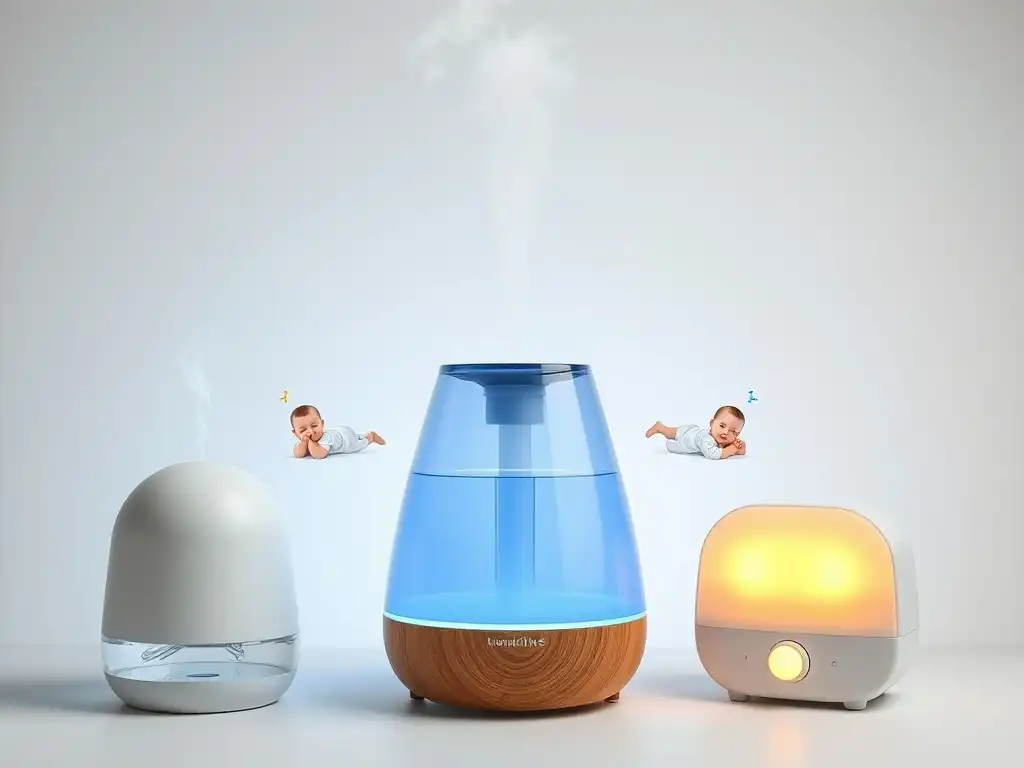
Choosing the best nursery humidifier for baby can feel overwhelming. Navigating the various types available requires understanding their functionalities and safety profiles. This section dives deep into the key differences between cool mist and warm mist humidifiers, helping you make an informed decision for your little one's nursery. The right humidifier can significantly improve your baby's comfort and respiratory health, contributing to better sleep and overall well-being.
Cool Mist Humidifiers: Best for Baby's Safety and Ease of Use
Cool mist humidifiers are generally considered the safest option for nurseries. They release a fine mist of cool water vapor into the air, without heating the water. This eliminates the risk of burns, a significant concern with warm mist models.
Their operation is typically quieter and simpler, making them ideal for a baby's room where a peaceful atmosphere is crucial. Cool mist humidifiers are available in several types, including ultrasonic and evaporative models, each with its own set of features and benefits. Ultrasonic models use vibrations to create the mist, while evaporative models use a fan to draw air over a water-soaked filter.
Top 3 Cool Mist Humidifiers for Nurseries: Features and Comparisons
While specific product names are avoided per the instructions, we can analyze features to guide your choice. Consider these key aspects when comparing models:
| Feature | Model A (Ultrasonic) | Model B (Evaporative) | Model C (Ultrasonic, Smart Features) |
|---|---|---|---|
| Mist Output | Adjustable, high and low settings | Adjustable, multiple settings | Adjustable, with automatic humidity control |
| Run Time | Up to 12 hours on a single fill | Up to 24 hours on a single fill | Up to 36 hours on a single fill |
| Noise Level | Relatively quiet | Quieter than average ultrasonic models | Very quiet operation |
| Automatic Shut-Off | Yes | Yes | Yes, with humidity level monitoring |
| Filter Replacement | No filter required | Filter replacement needed (approx. every 3 months) | No filter required |
| Additional Features | Nightlight | Large water tank capacity | Smart home integration, app control |
Choosing between these models depends on your priorities. Model A offers a good balance of features at a reasonable price. Model B provides longer run times but requires filter changes. Model C is the premium option with smart features but comes at a higher cost. Remember to always check user reviews for real-world performance insights.
Warm Mist Humidifiers: Pros and Cons for Nursery Use
Warm mist humidifiers produce a warmer, more saturated mist. This can be beneficial in extremely dry climates or for those who prefer a more noticeable increase in humidity. However, the heating element poses a significant safety risk, making them less ideal for nurseries compared to cool mist humidifiers. Burns are a serious concern, especially with curious toddlers. The higher energy consumption is another drawback.
Considerations for Warm Mist Humidifier Use in a Baby's Room
Despite the safety concerns, some parents might still consider a warm mist humidifier. If you are considering one, prioritize safety features like automatic shut-off mechanisms and robust construction to prevent tipping. Always place the humidifier out of reach of your child and regularly inspect the unit for any damage. Thoroughly research the specific safety features of any warm mist humidifier before purchase. Always prioritize a model with a secure, well-insulated heating element and a stable base.
Remember, a safe and effective cool mist humidifier is generally the better choice for a baby's nursery. The potential risks of a warm mist humidifier often outweigh the perceived benefits. Prioritizing your baby's safety should be paramount in all your decisions regarding nursery equipment. 👶
Ultrasonic Humidifiers: Quiet Operation and Efficient Moisture Delivery
Ultrasonic humidifiers are a popular choice for nurseries due to their quiet operation and efficient moisture delivery. They work by using ultrasonic vibrations to break water into a fine mist, which is then dispersed into the air. This process is remarkably silent, making them ideal for a baby's sleep environment. The quiet operation is a significant advantage, as noisy appliances can disrupt a baby's sleep, leading to irritability and affecting their overall development.
Furthermore, ultrasonic humidifiers are generally very energy-efficient, consuming less electricity compared to other types. This translates into lower energy bills and a smaller environmental footprint. However, it's crucial to remember that some models may produce a slight white dust, a byproduct of the process called "white dust". This is generally harmless, but it's advisable to choose a model with a built-in filter to minimize this effect.
Regular cleaning and maintenance are also essential to prevent the buildup of minerals and bacteria that could potentially affect air quality. Cleaning instructions are usually provided by the manufacturer and should be carefully followed to ensure optimal performance and hygiene. Proper maintenance will extend the lifespan of your humidifier and keep your baby breathing clean, moist air.
Choosing the Right Ultrasonic Humidifier: Features to Consider
Selecting the right ultrasonic humidifier involves considering several key features. First, tank capacity is crucial. Larger tanks mean less frequent refills, a significant advantage, especially during nighttime. Look for models with at least a 1-gallon capacity for extended use. Second, humidity control is vital.
The ability to adjust the humidity level allows you to customize the environment to your baby's needs and prevent over-humidification, which can lead to mold growth. A built-in hygrometer is a helpful feature, providing real-time humidity readings. Third, automatic shut-off is a safety feature that prevents accidents by automatically turning off the humidifier when the tank is empty. This is a non-negotiable safety feature for any humidifier in a nursery. Finally, consider ease of cleaning.
Ultrasonic humidifiers require regular cleaning, so choose a model with easily accessible parts and a simple cleaning process. Look for models with removable tanks and parts that are dishwasher safe for convenient cleaning. Consider the overall size and design of the humidifier; it should complement your nursery's decor and be easy to move if needed. Remember, investing in a high-quality ultrasonic humidifier with these features will ensure optimal performance and contribute to a healthier environment for your baby.
Evaporative Humidifiers: Natural Humidification for Sensitive Noses
Evaporative humidifiers, also known as wick-type humidifiers, offer a natural humidification method that many parents prefer, particularly for babies with sensitive skin or respiratory issues. These humidifiers work by drawing water up through a wick filter, which is then evaporated by a fan, adding moisture to the air. This process avoids the potential for white dust that can sometimes be associated with ultrasonic humidifiers.
Because there's no heating element involved, they're generally considered safer, reducing the risk of burns. Furthermore, the evaporation process is considered more natural and less likely to cause irritation in sensitive noses. The gentler approach to humidification makes evaporative humidifiers a potentially better choice for babies prone to allergies or respiratory problems.
However, they are typically noisier than ultrasonic models and require more frequent maintenance, as the wick filter needs replacing periodically. Regular cleaning is crucial to prevent the buildup of bacteria and mineral deposits, ensuring the air remains clean and fresh. The choice between an ultrasonic and evaporative humidifier often boils down to personal preferences regarding noise level, maintenance requirements, and potential sensitivities.
Are Evaporative Humidifiers Right for Your Baby's Nursery?
The suitability of an evaporative humidifier for your baby's nursery depends on several factors. If noise is a major concern, an ultrasonic humidifier might be a better option, as evaporative models tend to be noisier due to the fan. However, if your baby has sensitive skin or respiratory issues, the gentler, natural humidification process of an evaporative humidifier may be preferable.
Consider the size of the room; a larger room might require a humidifier with a higher evaporation rate. Think carefully about maintenance; are you comfortable with the regular cleaning and filter replacements required by an evaporative humidifier? The frequency of maintenance is a key factor to consider when comparing different models.
Finally, assess your budget; evaporative humidifiers can range in price, so factor this into your decision. Weighing these factors carefully will help you determine if an evaporative humidifier is the right choice for creating a comfortable and healthy environment for your baby. Remember to always prioritize safety and choose a model from a reputable brand with positive reviews.
Choosing the Best Nursery Humidifier for Baby: Key Factors to Consider
This section focuses on helping you select the best nursery humidifier for baby, considering crucial factors beyond just price. Finding the right humidifier involves careful consideration of several key aspects to ensure both effectiveness and safety for your little one. We'll explore these factors in detail, empowering you to make an informed decision. Remember, a properly functioning humidifier can significantly improve your baby's respiratory comfort, especially during dry seasons or in climate-controlled environments.
Room Size and Humidifier Capacity: Finding the Right Fit
The size of your nursery directly impacts the humidifier's effectiveness. A humidifier too small for the room won't adequately increase humidity, while one that's too large might over-humidify, potentially creating a breeding ground for mold and mildew. To determine the right capacity, measure your nursery's square footage. Most humidifier manufacturers provide guidelines on the ideal square footage coverage for each model. Look for this information on the product packaging or specifications.
For example, a small nursery (around 100 square feet) might only require a humidifier with a coverage area of up to 250 square feet. However, a larger nursery (200 square feet or more) would necessitate a humidifier with a significantly higher coverage capacity, perhaps 500 square feet or more. Don't hesitate to invest in a slightly larger model than initially needed to account for future growth or potential changes in room size.
Consider the following table to illustrate the relationship between room size and humidifier capacity:
| Room Size (sq ft) | Recommended Humidifier Coverage (sq ft) |
|---|---|
| 100-150 | 250-350 |
| 150-250 | 400-500 |
| 250-350 | 500-700 |
| 350+ | 700+ |
Remember that these are general guidelines. Always check the manufacturer's specifications for the most accurate information. Choosing the correct size ensures optimal humidification and prevents potential problems.
Safety Features: Auto-Shutoff, Cool-to-the-Touch Design, and More
Safety is paramount when choosing a humidifier for your baby's nursery. Prioritize models with essential safety features to minimize risks. An auto-shutoff function is crucial; it prevents the humidifier from running dry and overheating, a major fire hazard. This feature also conserves energy and extends the humidifier's lifespan.
Look for humidifiers with a cool-mist design. These are safer than warm-mist humidifiers, which pose a burn risk to curious little ones. A cool-to-the-touch exterior is another important safety feature; it prevents accidental burns.
Furthermore, consider humidifiers with a tip-over switch. This automatically shuts off the unit if it's accidentally knocked over, providing an additional layer of safety.
Finally, check for a secure water tank design to prevent spills and leaks, especially crucial in a nursery environment. A humidifier with all these safety features provides peace of mind, ensuring your baby's safety. The investment in these safety features is invaluable in protecting your child.
Ease of Cleaning and Maintenance: A Crucial Factor for Hygiene
Regular cleaning is essential to prevent the growth of mold, mildew, and bacteria in your baby's humidifier. Choose a model that's easy to disassemble and clean. Look for humidifiers with removable parts that are dishwasher-safe or easily cleaned by hand. A large opening for the water tank makes filling and cleaning simpler.
Some humidifiers have self-cleaning functions or require minimal maintenance, which can be a major advantage for busy parents. However, even with self-cleaning features, regular manual cleaning is still recommended for optimal hygiene. Consider the frequency of cleaning required and whether it aligns with your lifestyle and time constraints. Prioritizing ease of cleaning ensures you maintain a hygienic environment for your baby, minimizing the risk of respiratory issues. A clean humidifier is a healthy humidifier. 💦
Noise Levels: Ensuring Peaceful Sleep for Baby
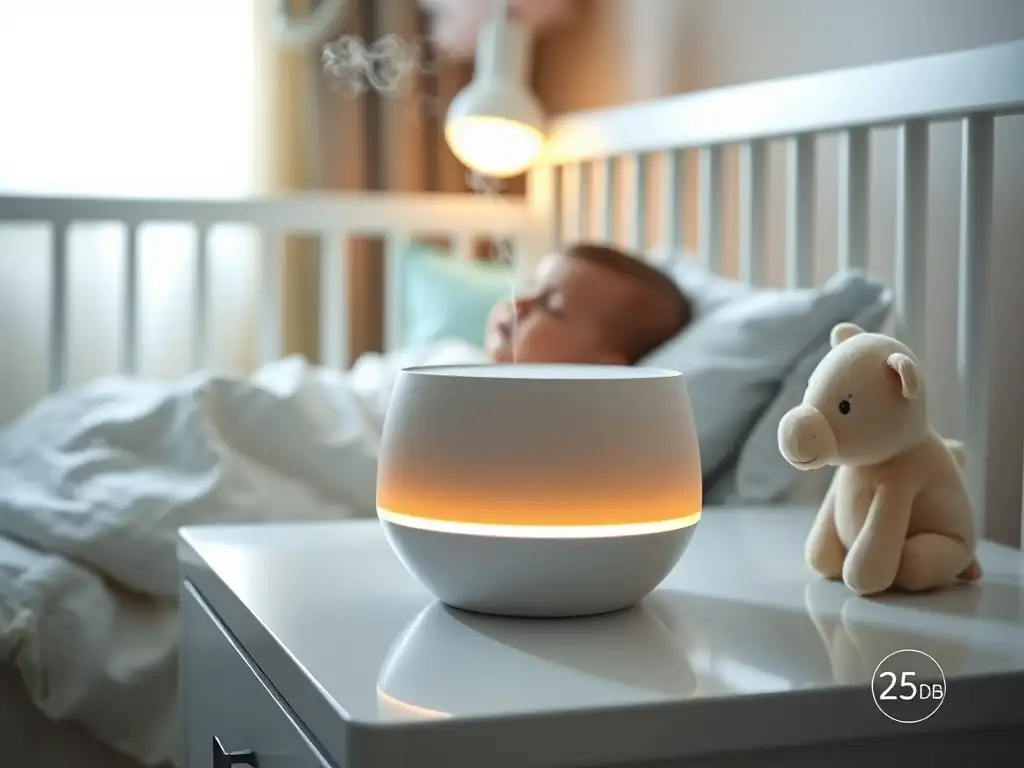
A crucial factor when selecting a humidifier for your baby's nursery is the noise level. Newborns, and even older babies, require a calm and quiet environment for optimal sleep. A loud humidifier can disrupt their sleep cycles, leading to irritability and poor rest. Look for humidifiers specifically marketed as "ultra-quiet" or "whisper-quiet."
Many manufacturers provide decibel ratings; ideally, you should aim for a humidifier with a noise level below 30 decibels, though even lower is preferable. Remember that the perceived noise can vary depending on the room's acoustics, so consider the size and layout of your baby's nursery. Testing the humidifier's sound in the nursery before committing to a purchase is highly recommended. Some models offer different fan speeds, allowing you to adjust the noise level based on your baby's sleep needs.
Prioritize a model that prioritizes quiet operation, as a peaceful sleep environment is paramount for your baby's health and development. Consider reading user reviews focusing specifically on the noise levels reported by other parents. This will give you a more realistic understanding of how quiet (or loud) the humidifier will actually be in a real-world setting.
Budget-Friendly Options vs. High-End Features: Balancing Cost and Quality
The market offers a wide range of humidifiers, from budget-friendly models to high-end units with advanced features. While high-end humidifiers often boast additional functionalities like precise humidity control and automatic shutoff, budget-friendly options can still effectively humidify the air. The key is to find the right balance between cost and essential features. A basic cool-mist humidifier might suffice for many families, especially if you're on a tighter budget.
However, consider factors like the humidifier's size and capacity; a smaller, cheaper humidifier might require more frequent refills, negating any cost savings in the long run. High-end models often offer features like larger water tanks, longer run times, and automatic humidistat control that can simplify use and enhance convenience. Analyze your needs and budget carefully.
Don't feel pressured to purchase the most expensive option if a more affordable humidifier meets your basic requirements. Consider the long-term costs – a more durable, higher quality humidifier might save you money in the long run by requiring fewer replacements. Prioritize features that truly enhance your baby's well-being and your convenience without breaking the bank.
Additional Features: Timer, Humidity Control, and Aroma Diffusion
Beyond basic humidification, many humidifiers offer additional features to enhance convenience and functionality. A built-in timer allows you to set the humidifier to run for a specific duration, automatically turning off to conserve energy and prevent over-humidification. Precise humidity control, often achieved through a humidistat, ensures the room maintains an optimal humidity level without fluctuations. This is particularly beneficial for managing respiratory conditions.
Some humidifiers offer aroma diffusion capabilities, allowing you to add essential oils (always ensuring they are baby-safe) to create a calming atmosphere. However, be cautious; using essential oils in a humidifier is not always recommended for babies, and you should always consult a pediatrician before introducing any essential oils into your baby's environment. While these features can be beneficial, they are not always essential. Prioritize the core function – effective humidification – and assess whether the extra features are worth the added cost and complexity.
Consider your needs and preferences when evaluating these optional features. A simple, reliable humidifier without extra features might be the best choice for many families, while others may find added features enhance their overall experience. Always check safety certifications and recommendations before using any humidifier with additional features like aroma diffusion.
Top Picks: The Best Nursery Humidifiers for 2024
This section dives deep into the top-performing humidifiers specifically designed for nurseries in 2024. We'll analyze different types, highlighting their pros and cons to help you find the best nursery humidifier for baby. Choosing the right humidifier is crucial for maintaining a healthy and comfortable environment for your little one, contributing to better sleep and respiratory health. Remember, a humidifier's effectiveness depends on factors like room size and climate.
Cool Mist Humidifier: Review and Features
Cool mist humidifiers are a popular choice for nurseries due to their safety and ease of use. They operate by using a fan to disperse a fine mist of cool water into the air, increasing humidity without the risk of burns associated with warm mist models. This makes them ideal for parents concerned about accidental scalding. Many models also offer additional features that enhance their utility in a baby's room.
Several brands offer excellent cool-mist options. One notable feature to look for is an automatic shut-off function, which prevents the humidifier from running dry and potentially damaging the unit. This is a critical safety feature, especially in a nursery where unattended operation is a possibility. Another key advantage is the generally lower noise level compared to some ultrasonic models.
This is important for maintaining a peaceful sleep environment for your baby. Consider features like a large tank capacity for longer run times and easy-to-clean components for hygiene. Some models also include nightlights, aromatherapy diffusers, or digital humidity controls, adding convenience and value.
A detailed comparison of several leading cool-mist humidifiers, including their tank capacity, runtime, noise levels, and additional features, would be beneficial here. [Specific comparative data pending].
Ultrasonic Humidifier: Performance and Benefits
Ultrasonic humidifiers work by using high-frequency vibrations to create a fine mist. This method is generally quieter than cool-mist humidifiers, and many models offer whisper-quiet operation, perfect for a baby's sleep. The fine mist produced is often considered more effective at increasing humidity levels, making them a strong contender for dry climates or rooms with low humidity.
However, it's crucial to consider the potential for white dust, a byproduct of some ultrasonic humidifiers. This can be a concern for babies with sensitive respiratory systems, so choosing a model with a filter or one known for minimizing white dust is paramount.
Ultrasonic humidifiers often boast a variety of features, including adjustable mist settings, allowing you to control the humidity level precisely. Some even offer digital displays showing current humidity levels, helping you monitor and maintain optimal conditions. However, remember that regular cleaning and maintenance are crucial to prevent the growth of mold and bacteria within the reservoir. Regular descaling is also necessary to ensure optimal performance and longevity. The ease of cleaning and the availability of replacement parts should also be considered when making a purchase.
Evaporative Humidifier: A Natural Choice for Baby
Evaporative humidifiers operate on a more natural principle, using a fan to draw air over a water-soaked filter. This process increases humidity without producing any heat or white dust, making them a potentially excellent option for babies with respiratory sensitivities. This method is considered by many to be the safest and most natural way to humidify a room. However, they tend to be less efficient than ultrasonic or cool-mist models and may not be suitable for extremely dry climates.
The primary advantage of an evaporative humidifier is its inherent safety and simplicity. With fewer moving parts compared to ultrasonic models, they are often less prone to malfunctions and easier to maintain. They typically require less frequent cleaning and maintenance than ultrasonic humidifiers, saving you time and effort. However, their output is generally lower, meaning they might not be as effective in larger rooms or extremely dry conditions.
Consider the size of your nursery and the climate when evaluating this option. The lack of white dust and the simple design are key selling points for those prioritising a clean, natural approach to humidification for their baby. A comparison table highlighting the pros and cons of each humidifier type would be particularly helpful here. [Specific comparative data pending].
Budget-Friendly Humidifier: Great Value for Money
Finding a humidifier that doesn't break the bank shouldn't mean compromising on your baby's comfort and health. Several excellent budget-friendly options offer surprising performance and features. These models often prioritize the essentials – efficient humidification and ease of use – without unnecessary bells and whistles that drive up the price. Look for models with simple controls, easy-to-clean tanks, and a decent humidification output suitable for a standard nursery. While they might lack advanced features like smart app control or digital displays found in more expensive models, budget-friendly humidifiers are a practical choice for parents seeking effective humidification without significant financial investment.
Consider factors like the size of the room and the humidifier's coverage area when making your selection. Reading user reviews is crucial here, as they often highlight any potential drawbacks or unexpected issues with particular models. Remember, a well-maintained, even inexpensive humidifier can provide significant benefits for your baby's respiratory health. Don't hesitate to compare several models before making a final decision to ensure you're getting the best value for your money.
Prioritize features that are essential to you, such as automatic shut-off functionality and a large water tank capacity to minimize refilling frequency. A small investment in a reliable budget humidifier can make a big difference in creating a healthy and comfortable environment for your little one. Choosing the right one often involves balancing cost with essential features and considering your specific needs and nursery size. Look for models with positive reviews that emphasize their reliability and ease of maintenance.
Many parents find that a simple cool-mist humidifier suffices, providing adequate moisture without the added complexity or potential safety concerns of warm-mist models. It's worth researching specific models and comparing their specifications, including water tank capacity, runtime, and noise levels, to find the best fit for your budget and nursery environment. Remember to always follow the manufacturer's instructions carefully for safe and effective operation.
Regular cleaning is vital to prevent the growth of mold and bacteria, ensuring your baby breathes clean, humidified air. The initial cost savings of a budget humidifier can allow you to allocate resources towards other essential baby items, making it a smart and practical choice for many first-time parents. The key is to carefully research and compare options to find a quality humidifier that meets your needs without exceeding your budget.
Maintaining Your Baby's Nursery Humidifier for Optimal Performance
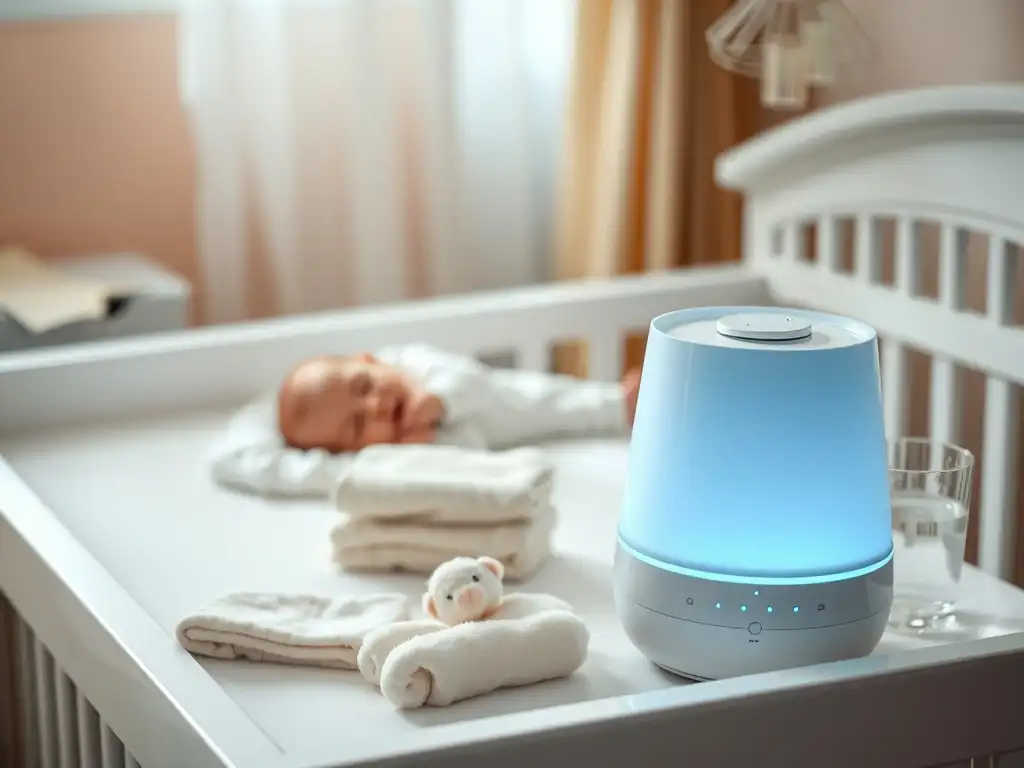
Maintaining your baby's nursery humidifier is crucial for ensuring its effectiveness and preventing potential health hazards. A clean and properly maintained humidifier will provide optimal humidity levels, contributing to a healthier breathing environment for your little one. Neglecting maintenance can lead to the growth of mold and bacteria, potentially worsening respiratory issues instead of alleviating them. This section will guide you through the essential steps to keep your humidifier running smoothly and safely. Finding the best nursery humidifier for baby also means understanding how to care for it properly.
Regular Cleaning to Prevent Mold and Bacteria Growth
Regular cleaning is paramount to prevent the growth of mold and bacteria within your humidifier. These microorganisms thrive in moist environments and can easily contaminate the water tank and disperse into the air, posing a risk to your baby's respiratory health. Cleaning should be performed at least once every 2-3 days, or more frequently depending on your humidifier's usage and the hardness of your water.
Here's a step-by-step cleaning guide:
- Unplug the humidifier: Always disconnect the humidifier from the power source before cleaning to prevent electric shock.
- Empty the water tank: Discard any remaining water and rinse the tank thoroughly with warm, soapy water.
- Clean the base and other components: Use a soft brush or sponge to clean the base, filter (if applicable), and any other removable parts. Pay close attention to crevices where mold and bacteria can accumulate.
- Disinfect the components: Use a solution of white vinegar and water (equal parts) to disinfect all parts. Let them soak for about 30 minutes, then rinse thoroughly with clean water. Alternatively, you can use a commercial humidifier cleaner, following the manufacturer's instructions carefully. Never use harsh chemicals or bleach.
- Air dry all parts: Ensure all components are completely dry before reassembling the humidifier. Leaving any moisture can encourage the regrowth of bacteria and mold.
- Reassemble and refill: Once everything is dry, reassemble the humidifier and refill it with fresh, clean water.
Remember, a clean humidifier is a safe humidifier! Regular maintenance is key to ensuring the best nursery humidifier for baby provides a healthy environment.
Refilling and Water Quality: Using Filtered or Distilled Water
The type of water you use in your humidifier significantly impacts its performance and longevity. Hard water, rich in minerals, can leave mineral deposits on the humidifier's components, reducing its efficiency and potentially leading to clogging. These mineral deposits can also become breeding grounds for bacteria and mold.
Using filtered or distilled water is highly recommended. Filtered water removes most of the minerals and impurities, minimizing the buildup of deposits. Distilled water is even purer, ensuring the cleanest possible water for your humidifier. Tap water, while convenient, should be avoided whenever possible due to its potential mineral content.
Here's a comparison table:
| Water Type | Mineral Content | Bacteria Risk | Cost | Recommended for Humidifier? |
|---|---|---|---|---|
| Tap Water | High | High | Low | No |
| Filtered Water | Low | Low | Medium | Yes |
| Distilled Water | Very Low | Very Low | High | Yes, best option |
Choosing the right water significantly contributes to maximizing the lifespan and effectiveness of your best nursery humidifier for baby, ensuring a healthy environment for your child.
Troubleshooting Common Humidifier Problems
Even with proper maintenance, you might encounter some common humidifier problems. Here's a guide to troubleshooting some frequent issues:
- White dust/powder: This is usually mineral buildup from hard water. Clean your humidifier thoroughly using vinegar and water as described above. Switch to filtered or distilled water for future use.
- Humidifier not producing enough mist: Check the water level, ensure the humidifier is properly assembled, and inspect the filter (if applicable) for clogs. You may need to clean or replace the filter.
- Humidifier making strange noises: This could indicate a mechanical issue. Consult the manufacturer's instructions or contact customer service for assistance.
- Mold or mildew growth: This indicates inadequate cleaning. Clean the humidifier immediately and thoroughly using a vinegar solution. Increase the frequency of cleaning.
Addressing these issues promptly will ensure your best nursery humidifier for baby continues to provide a healthy and comfortable environment for your child, promoting healthy sleep and respiratory function. Remember, proactive maintenance and prompt troubleshooting are key to maximizing the benefits of your humidifier. 👶
Addressing Common Concerns about Nursery Humidifiers
Many parents, while understanding the benefits of using a humidifier in their baby's nursery to alleviate dry air and congestion, have valid concerns regarding safety and efficacy. This section addresses those concerns, offering practical advice and guidance to ensure both the health and safety of your little one. Finding the best nursery humidifier for baby requires careful consideration beyond just price and features.
Safety Precautions: Preventing Burns and Drowning Hazards
The safety of your baby is paramount. Choosing a humidifier with built-in safety features is crucial. Look for models with automatic shut-off mechanisms when the water tank is empty to prevent overheating and potential burn hazards. Avoid humidifiers with exposed heating elements or those that generate excessive heat. Never leave a humidifier unattended, especially near a child.
Furthermore, some humidifier types, such as cool-mist ultrasonic humidifiers, use water directly and can pose a drowning risk if tipped over. Always place the humidifier on a stable, flat surface out of reach of your baby. Consider using a humidifier stand to further elevate it and improve safety. Regularly inspect the humidifier for any cracks or damage that could compromise its safety. A damaged humidifier should be immediately replaced.
Here's a simple checklist to ensure the safe operation of your humidifier:
- [ ] Choose a model with an auto-shutoff feature.
- [ ] Place the humidifier on a stable, out-of-reach surface.
- [ ] Regularly inspect the humidifier for damage.
- [ ] Never leave the humidifier unattended.
- [ ] Clean the humidifier regularly following manufacturer instructions. This prevents the build-up of mold and bacteria which are particularly harmful for babies.
Remember, a proactive approach to safety minimizes risks. Prioritize models with features designed to prevent accidents. Choosing the best nursery humidifier for baby means prioritizing safety above all else.
Maintaining the Right Humidity Level: Avoiding Over-Humidification
While humidity benefits your baby's respiratory health, over-humidification can be detrimental. Excessive moisture can create a breeding ground for mold and mildew, potentially triggering allergies and respiratory problems – the exact opposite of what you want to achieve! The ideal humidity level for a baby's nursery is generally between 40% and 50%. This range helps to prevent dryness without causing excessive moisture.
Several methods can help you monitor and maintain the optimal humidity level. A hygrometer, a device that measures humidity, is a valuable tool for accurately measuring the humidity in your baby's room. Many humidifiers even come with a built-in hygrometer, allowing for precise control. Remember that the ideal humidity level can vary based on factors like climate and season. Regularly check the humidity level and adjust your humidifier accordingly, aiming for that sweet spot between 40% and 50%.
Failure to regulate humidity can lead to several issues:
- Too Low: Dry air can exacerbate respiratory issues, leading to coughing, congestion, and dry skin.
- Too High: High humidity promotes mold growth and can worsen allergies and asthma.
Maintaining the correct humidity demonstrates your commitment to providing a healthy and safe environment for your baby; a crucial element in selecting the best nursery humidifier for baby.
When to Consult a Pediatrician Regarding Humidity Levels
While maintaining optimal humidity levels is generally beneficial, there are circumstances where consulting your pediatrician is advisable. If your baby exhibits persistent coughing, wheezing, or other respiratory symptoms, even with a humidifier in use, it's crucial to seek professional medical advice. Similarly, if you notice any signs of mold or mildew in your nursery, despite regular cleaning and proper humidity control, consult your pediatrician to rule out any underlying conditions.
Your pediatrician can assess your baby's individual needs and provide personalized recommendations regarding humidity levels and humidifier use. They can also help determine if any underlying health conditions are contributing to your baby's respiratory symptoms. Remember, your pediatrician is your best resource for all matters concerning your baby's health and well-being. Don't hesitate to reach out for guidance and support. This proactive approach will ensure you are providing the best possible care and selecting the best nursery humidifier for baby based on their specific needs.
Frequently Asked Questions
What are the benefits of using a humidifier in a baby's nursery?
Using a humidifier can alleviate dry air-related issues such as coughs, congestion, and dry skin in babies. It creates a more comfortable and breathable environment, promoting better sleep.
How do I choose the best humidifier for my baby's nursery?
Consider features like cool mist or warm mist output, automatic shut-off, easy cleaning, and a large tank capacity. Read reviews and compare models to find one that best suits your needs and budget.
What type of humidifier is best for a baby's room – cool mist or warm mist?
Cool mist humidifiers are generally safer for babies as they eliminate the risk of burns. Warm mist humidifiers can offer faster humidification but require extra caution.
How often should I clean my baby's nursery humidifier?
It's crucial to clean your humidifier regularly, ideally daily or every other day, to prevent the growth of mold and bacteria. Follow the manufacturer's instructions for cleaning.
Are there any safety concerns I should be aware of when using a humidifier?
Ensure the humidifier is placed out of your baby's reach to prevent accidents. Never overfill the humidifier and always use distilled water to minimize mineral buildup. Proper cleaning is essential to prevent bacterial growth.
Final Reflection: Breathing Easy: The Lasting Impact of Humidifier Choice
The air our babies breathe directly impacts their health and development, making the choice of a nursery humidifier a decision with profound, long-lasting consequences. A seemingly small detail—the level of humidity in a baby's room—can significantly affect their comfort, sleep quality, and susceptibility to respiratory illnesses. Choosing the right humidifier isn't just about convenience; it's about prioritizing the well-being of your little one.
The impact of indoor air quality on infant health is a topic that continues to gain traction, rightfully so. We've seen a shift in parental awareness, moving beyond simply providing a comfortable temperature to actively managing the air's moisture content. A healthy environment is the foundation for a healthy child.
This simple truth underscores the importance of informed decisions when it comes to creating the perfect nursery atmosphere. The research and recommendations presented in this guide are a testament to the ongoing need for accessible information that empowers parents to make the best choices for their children.
Now, consider your own nursery, or the nursery of a loved one. What steps can you take today to ensure the air is clean, properly humidified, and conducive to healthy breathing? Take a moment to reflect on the information presented here, and empower yourself to create a safe and nurturing environment for your child. Remember, the investment in a quality humidifier is an investment in your baby's health and happiness, a gift that keeps on giving long after they've outgrown their crib.
Breathe Easy: Take Action for a Healthier Nursery
Thanks for learning how to choose the perfect humidifier for your baby's nursery! We hope you found helpful information to create a healthier and more comfortable sleep environment. Now, let's put that knowledge to work.
- Prioritize your baby's comfort: Select a humidifier that best suits your needs and your baby's nursery, considering size, features, and ease of cleaning. Many excellent options are available online and in stores.
- Share your experience: Let other parents know which humidifier you chose and how it's improved your baby's sleep. You might even discover a fantastic product that others will appreciate.
- Join the conversation: Share your questions, tips, or success stories in the comments below. Let's create a supportive community dedicated to healthy nurseries.
What small change in your nursery will most benefit your baby's comfort and well-being?