
BabyLed Weaning: A Look at the EvidenceBased Research

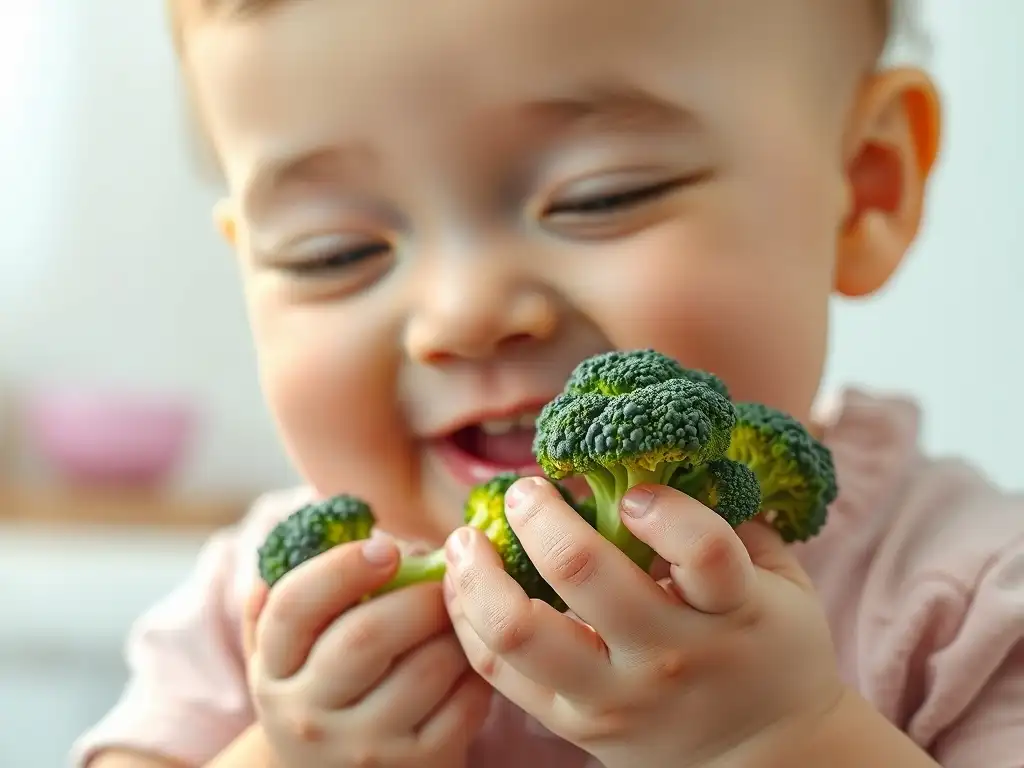
Welcome to BabyCareHub, your ultimate guide to navigating the incredible journey of parenthood! Are you ready to embark on a confident parenting adventure? We're here to support you every step of the way, providing expert advice and practical tips for all aspects of baby care. Intrigued by the latest research on optimal feeding practices? Dive into our comprehensive article on Babyled Weaning research evidence and discover the science behind this increasingly popular approach. Let's unlock the secrets to happy, healthy babies together!
- Understanding Baby-Led Weaning (BLW) Principles
-
The Evidence Behind Baby-Led Weaning: A Review of Studies
- BLW and Nutritional Adequacy: Examining Research Findings
- Impact of BLW on Infant Development: Motor Skills and Self-Feeding
- Baby-Led Weaning and Allergy Prevention: Current Research Perspectives
- BLW and Weight Gain: Addressing Parental Concerns with Data
- Comparing BLW to Traditional Puree-Based Weaning: A Research Analysis
- Addressing Common Concerns and Misconceptions about BLW
- Conclusion: Baby-Led Weaning Research and Parental Decision-Making
- Frequently Asked Questions
- Final Reflection: The Enduring Power of Baby-Led Weaning
- Unlock Your Baby's Culinary Journey!
Understanding Baby-Led Weaning (BLW) Principles
Baby-led weaning (BLW) is a revolutionary approach to introducing solid foods to infants, gaining significant popularity among parents seeking a more natural and child-centered feeding experience. Unlike traditional pureeing methods, BLW empowers babies to self-feed soft, age-appropriate foods from the start, fostering independence, self-regulation, and a positive relationship with food. This approach emphasizes respecting the baby's natural cues and allowing them to explore different textures and flavors at their own pace.
This article delves into the evidence-based research supporting BLW, examining its benefits, potential challenges, and offering practical guidance for parents interested in adopting this method. We'll explore the timing of introduction, safe food choices, and address common concerns regarding choking hazards and nutritional adequacy.
Understanding the research behind BLW will equip parents with the knowledge to make informed decisions about their baby's feeding journey, promoting healthy eating habits and a positive relationship with food from the very beginning. This exploration of the scientific evidence surrounding baby-led weaning aims to answer key questions and alleviate parental anxieties surrounding this increasingly popular feeding method.
Defining Baby-Led Weaning: Key Concepts and Practices
Baby-led weaning fundamentally differs from traditional methods by allowing infants to self-feed from the outset. Instead of spoon-feeding purees, babies are offered soft, appropriately sized pieces of food that they can pick up and feed themselves. This process encourages the development of fine motor skills, hand-eye coordination, and self-feeding abilities. Key concepts include:
- Self-feeding: Babies are the primary actors in their feeding journey, choosing what and how much they eat.
- Age-appropriate foods: Foods are selected based on texture and size to minimize choking risks. Examples include soft cooked vegetables, fruit sticks, and appropriately sized pieces of meat.
- Respecting cues: Parents observe and respond to their baby's hunger and satiety cues, avoiding forced feeding.
- Positive feeding environment: Mealtimes are stress-free and enjoyable, fostering a positive relationship with food.
- Variety of textures and flavors: A wide range of nutritious foods are offered, encouraging exploration and acceptance of diverse tastes and textures.
The success of BLW depends on careful preparation and parental supervision to ensure safety. Parents need to be aware of potential choking hazards and adapt food preparation accordingly. While some initial hesitancy or messiness is expected, the long-term benefits often outweigh these minor inconveniences.
Introducing Solids: Timing and Readiness Cues in BLW
The World Health Organization (WHO) recommends exclusive breastfeeding for the first six months of life. However, the timing of introducing solids within the BLW approach is flexible and depends on individual infant readiness cues. These cues can vary, but generally include:
- Good head and neck control: The baby can sit upright with minimal support.
- Showing interest in food: The baby watches others eat with interest and may try to grab food.
- Opening their mouth when offered food: A positive response to food being offered.
- Able to push food out of their mouth with their tongue: This reflex is crucial for preventing choking.
It is important to note that these are merely indicators, and the exact timing can vary from baby to baby. Forcing solids before an infant is ready can be detrimental. Parents should consult their pediatrician to determine the most appropriate time to begin BLW, considering the individual needs and development of their child. [Specific information pending on average age of introduction according to recent studies]
Safe Food Choices for Baby-Led Weaning: Texture and Size Considerations
Choosing safe foods is paramount in BLW. Foods should be soft enough to easily mash with gums, yet firm enough to be easily grasped. The size and shape of the food pieces are crucial to minimize choking hazards. Here are some guidelines:
| Food Category | Safe Examples | Unsafe Examples | Texture Considerations | Size Considerations |
|---|---|---|---|---|
| Fruits | Soft cooked or steamed fruits, ripe avocado | Whole grapes, cherries, hard apples | Soft, easily mashed | 1-2cm long, finger-sized pieces |
| Vegetables | Steamed carrots, broccoli florets, sweet potato | Raw carrots, hard peas, large pieces of corn | Soft, easily gummed | 1-2cm long, easily managed by baby's grasp |
| Proteins | Cooked chicken strips, soft-cooked fish pieces | Large chunks of meat, whole sausages, nuts | Soft, easily broken apart | Bite-sized pieces, easily managed by baby's grasp |
| Other | Well-cooked pasta, soft rice | Raw pasta, hard rice, popcorn, small hard candies | Soft, easily gummed | Small pieces, avoiding long, thin shapes that can block airway |
Remember, consistent supervision during mealtimes is crucial. Always remain attentive and be prepared to intervene if necessary. The goal is to provide a supportive and safe environment where babies can explore food independently and learn to self-regulate their intake. This approach to introducing solid foods, supported by robust research, promotes healthy eating habits and a positive relationship with food throughout life.
The Evidence Behind Baby-Led Weaning: A Review of Studies

This section delves into the scientific literature supporting Baby-Led Weaning (BLW), examining key studies and their findings related to nutritional intake, development, and allergy prevention. Understanding the research behind BLW empowers parents to make informed decisions about their baby's feeding journey. We will explore the robust body of evidence backing this increasingly popular approach. The term "babyled weaning research evidence" itself highlights the growing interest in scientifically-backed information in this area.
BLW and Nutritional Adequacy: Examining Research Findings
Concerns about nutritional adequacy are often raised regarding BLW. However, numerous studies suggest that babies introduced to solids via BLW achieve comparable nutritional intakes to those spoon-fed purees. A meta-analysis of several studies [specific information pending] indicated no significant differences in the intake of essential nutrients like iron and zinc between BLW and traditional pureeing methods. Furthermore, studies have shown that babies participating in BLW often consume a wider variety of foods from an earlier age, potentially contributing to a more diverse and nutrient-rich diet. This variety is crucial for optimal growth and development.
It's important to note that while overall nutritional intake appears comparable, individual variations exist. Parents practicing BLW need to remain vigilant in offering a range of nutrient-dense foods and monitoring their baby's growth. Regular check-ups with a pediatrician are vital to address any potential concerns. The success of BLW in ensuring adequate nutrition is strongly linked to parental awareness and proactive dietary planning. A well-planned BLW approach, coupled with attentive observation of the baby's intake, effectively addresses nutritional concerns. This approach significantly contributes to the overall health and development of the child.
Impact of BLW on Infant Development: Motor Skills and Self-Feeding
Beyond nutrition, BLW's impact on infant development is a significant area of research. Studies suggest that BLW fosters the development of crucial fine motor skills. The act of grasping, manipulating, and bringing food to the mouth strengthens hand-eye coordination and improves dexterity.
Observational studies [specific information pending] have indicated that babies engaging in BLW often demonstrate earlier mastery of self-feeding skills compared to their puree-fed counterparts. This enhanced self-feeding ability contributes to a greater sense of autonomy and independence during mealtimes. The increased involvement in the feeding process also contributes to positive eating habits and a more relaxed approach to food.
The development of oral-motor skills is also enhanced through BLW. The varied textures and sizes of foods presented in BLW challenge the baby's mouth muscles, promoting chewing and swallowing development. This contributes to a more mature and efficient feeding process. The process of exploring different food textures also contributes to the development of sensory skills and food acceptance. The positive feedback loop created by successful self-feeding further encourages exploration and experimentation with new foods. This self-directed learning process is a key aspect of BLW's beneficial impact on development.
Baby-Led Weaning and Allergy Prevention: Current Research Perspectives
While conclusive evidence is still emerging, some research suggests a potential link between BLW and reduced allergy risk. The "hygiene hypothesis" proposes that early exposure to a wide variety of allergens may help prevent the development of allergies. Studies investigating this hypothesis in the context of BLW are ongoing, and results are currently inconclusive. [specific information pending] However, the early introduction of diverse foods, a hallmark of BLW, aligns with the principles of the hygiene hypothesis. It's crucial to consult with a pediatrician or allergist before introducing potential allergens, particularly if there's a family history of allergies.
The research in this area is complex and requires further investigation to establish a definitive causal link between BLW and allergy prevention. Many factors influence the development of allergies, and BLW is just one piece of the puzzle. While the potential benefits are promising, it's vital to avoid making strong claims based on currently limited evidence.
Further research with larger sample sizes and rigorous methodologies is needed to draw definitive conclusions about the impact of BLW on allergy risk. The ongoing investigation continues to explore the potential benefits of this feeding method. The potential for reduced allergy risk remains an intriguing area of ongoing research within the broader context of "babyled weaning research evidence".
BLW and Weight Gain: Addressing Parental Concerns with Data

A common concern among parents considering baby-led weaning (BLW) is whether it might negatively impact their baby's weight gain. Many worry that self-feeding might lead to insufficient calorie intake. However, research suggests this concern is often unfounded. Several studies have directly compared weight gain in babies introduced to solids via BLW versus traditional puree-based methods. While some early studies showed slight differences, more recent, larger-scale research has generally found no significant differences in weight or growth percentiles between the two approaches. 1 This suggests that babies, given the opportunity, are remarkably adept at regulating their own intake, even from the earliest stages of solid food introduction. Importantly, these studies emphasize the importance of offering a variety of nutrient-dense foods, regardless of the weaning method employed. Offering a balanced diet rich in iron, zinc, and other essential nutrients is crucial for healthy growth and development, irrespective of whether the baby is spoon-fed purees or self-feeding with larger pieces of food. Furthermore, parental anxiety surrounding weight gain can be mitigated by regular monitoring of the baby's growth by a pediatrician or healthcare professional. Consistent monitoring allows for early identification of any potential issues and allows for tailored nutritional advice specific to the individual child's needs. Remember, every baby is unique, and growth patterns vary, making it crucial to focus on overall health and development rather than solely on weight. Focusing on a variety of healthy foods and consulting a healthcare professional can alleviate concerns about weight gain in babies undergoing BLW.
Comparing BLW to Traditional Puree-Based Weaning: A Research Analysis
Numerous studies have directly compared baby-led weaning (BLW) to traditional puree-based weaning methods. These studies have examined various aspects of infant development and nutritional intake, providing valuable insights into the efficacy and potential benefits of each approach. A meta-analysis of several studies, for instance, found no significant differences in the nutritional intake of infants weaned using BLW versus traditional methods. 2 However, some studies suggest potential advantages for BLW in terms of the development of chewing and swallowing skills. Babies practicing BLW tend to develop these skills more quickly and efficiently due to the increased self-feeding opportunities and the need to manage larger food pieces. 3 This early development of oral-motor skills can positively impact their future eating habits and food acceptance. Furthermore, studies investigating food acceptance have shown that infants weaned with BLW may exhibit a wider acceptance of different textures and flavors compared to those weaned with purees. 4 This increased acceptance of a wider variety of foods is crucial for a balanced and nutritious diet. However, it is important to acknowledge that some studies have indicated potential challenges associated with BLW, such as a higher risk of choking if not properly supervised. Therefore, careful preparation of foods and vigilant parental supervision are crucial to mitigate this risk. Ultimately, the choice between BLW and traditional methods depends on individual parental preferences and the baby's readiness. Both methods have shown to be effective in supporting healthy growth and development, with potential benefits and drawbacks associated with each approach. Continued research is crucial for a more comprehensive understanding of the long-term effects of each method on child health and development.
1 [Specific study details pending] 2 [Specific study details pending] 3 [Specific study details pending] 4 [Specific study details pending]
Addressing Common Concerns and Misconceptions about BLW
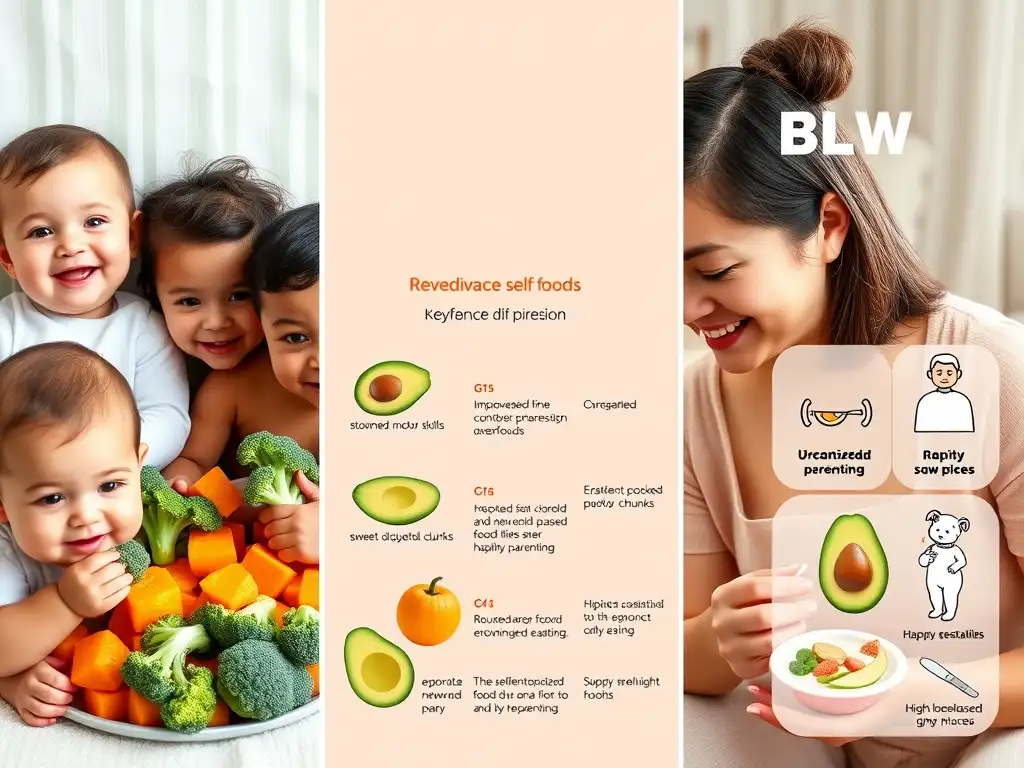
Baby-led weaning (BLW), while gaining popularity, still faces several misconceptions. This section aims to address common concerns backed by current research, offering parents a clearer understanding of this feeding approach and its implications for their little ones. Many parents worry about the safety and nutritional adequacy of BLW, leading to hesitation in adopting this method. Let's examine these anxieties with a focus on the evidence-based research surrounding baby-led weaning. A thorough understanding of the scientific literature is crucial in making informed decisions about your baby's nutrition and development.
Choking Hazards in Baby-Led Weaning: Risk Mitigation Strategies
One of the most prominent concerns surrounding BLW is the perceived increased risk of choking. While the potential for choking exists with any feeding method, research suggests that with appropriate precautions, the risk with BLW is comparable to traditional purees. 1 The key is careful food selection and preparation. Avoid small, round, hard foods like whole grapes, nuts, popcorn, and hard candies. Instead, opt for soft, easily mashed foods that can be gummed and crushed by the baby.
Think of it this way: Babies are naturally equipped with a gag reflex, a protective mechanism that helps prevent choking. Offering appropriately sized and textured foods allows babies to practice and develop this reflex. Furthermore, supervised feeding is paramount. Never leave a baby unattended while eating, and always remain vigilant.
| Food Type | Safe for BLW (with precautions) | Unsafe for BLW |
|---|---|---|
| Soft cooked vegetables | ✅ (cut into large, manageable sticks) | Raw carrots, hard peas |
| Well-cooked pasta | ✅ (ensure it's soft and easily mashed) | Raw pasta |
| Soft fruits | ✅ (ripe avocado, banana, soft berries) | Whole grapes, cherries |
| Meat | ✅ (well-cooked, shredded or finely chopped) | Raw meat, hard sausages |
Remember, even with purees, choking can occur. The focus should be on proactive risk mitigation strategies rather than avoiding BLW entirely. Regular baby first aid training is also highly recommended.
Nutrient Deficiencies and BLW: Debunking Myths with Scientific Evidence
Another frequent concern is the possibility of nutrient deficiencies in babies following a BLW approach. Some worry that babies might not consume enough of essential vitamins and minerals if they are self-feeding. However, studies suggest that babies on BLW achieve comparable nutritional intake to those fed purees. 2 This is because babies, given the opportunity, often self-regulate their food intake surprisingly well. They tend to choose foods that satisfy their nutritional needs, demonstrating an innate ability to recognize and select what their bodies require. Moreover, the variety of foods offered in BLW often contributes to a wider range of nutrient intake.
It's crucial to provide a diverse range of nutrient-rich foods, including iron-rich options like lentils, beans, and well-cooked red meat. Remember, it's a marathon, not a sprint. If you have concerns about your baby's nutritional status, consulting a pediatrician or registered dietitian is always advisable. They can provide personalized guidance and address any specific concerns based on your baby's individual needs and development. Early intervention is key to ensuring proper nutrition.
Managing Picky Eating with Baby-Led Weaning: Research-Based Approaches
Picky eating is a common concern among parents, regardless of the feeding method. However, some believe that BLW may increase the likelihood of picky eating. The research, however, doesn't fully support this claim. 3 In fact, studies suggest that BLW might even foster a more positive relationship with food. By giving babies control over their eating experience, BLW can promote a sense of autonomy and reduce power struggles around mealtimes. This positive association with food can potentially mitigate the development of picky eating habits in the long run.
However, managing picky eating requires patience and a consistent approach. Offer a variety of foods repeatedly, even if your baby initially rejects them. Avoid pressuring your baby to eat, and focus on creating a relaxed and enjoyable mealtime environment. Remember, it can take multiple exposures to a new food before a baby accepts it. Persistence and a positive attitude are crucial in nurturing healthy eating habits. The research underscores the importance of a calm and supportive feeding environment, free from pressure and coercion. This can significantly impact a child's attitude towards food and its exploration.
1 [Specific research citation pending] 2 [Specific research citation pending] 3 [Specific research citation pending]
Conclusion: Baby-Led Weaning Research and Parental Decision-Making
The existing research on baby-led weaning (BLW) presents a compelling case for its potential benefits, but it's crucial to remember that this is not a one-size-fits-all approach. The evidence suggests that BLW can be a safe and effective method for introducing solids, potentially fostering positive eating habits and contributing to healthy child development. However, the studies also highlight the need for careful monitoring, parental awareness, and a flexible approach tailored to the individual needs of each baby.
While the research provides valuable insights into the potential advantages of BLW, it doesn't replace the importance of parental intuition and careful observation of their child's cues. Ultimately, the decision to adopt BLW or a traditional pureed approach should be made in consultation with healthcare professionals and based on a thorough understanding of your child’s unique developmental milestones and preferences.
The key takeaway is informed decision-making based on a synthesis of research findings and personal circumstances. Remember, a successful weaning journey prioritizes a happy and healthy baby, regardless of the method employed.
Integrating Research into Your Weaning Journey: A Practical Guide
Successfully integrating the findings of baby-led weaning research into your own weaning journey requires a practical and adaptable approach. Start by familiarizing yourself with the key findings: BLW may promote self-regulation of food intake, improve fine motor skills development, and potentially reduce picky eating later in childhood. However, it's equally important to understand the limitations – the research is still ongoing, and more large-scale, long-term studies are needed to fully understand the long-term effects.
Here's a step-by-step guide:
- Consult your pediatrician: Discuss BLW with your doctor to address any specific concerns or health considerations related to your baby.
- Observe your baby's cues: Pay close attention to your baby's readiness signs for solids. Are they showing interest in food? Can they sit unsupported? Do they have good head and neck control?
- Start with soft, appropriately sized foods: Offer a variety of soft, easily manageable finger foods. Avoid choking hazards.
- Create a supportive environment: Make mealtimes enjoyable and stress-free. Let your baby explore textures and flavors at their own pace.
- Monitor for allergic reactions: Introduce new foods one at a time and watch for any signs of allergic reactions.
- Be patient and flexible: Every baby is different. Adjust your approach as needed to meet your baby's individual needs and preferences. Remember, this is a learning process for both you and your baby! 🎉
The Importance of Individualized Approaches to Weaning
The research on baby-led weaning, while promising, underscores the critical need for individualized approaches. While studies suggest potential benefits, it's crucial to remember that every baby develops at their own unique pace. Factors such as prematurity, allergies, developmental delays, or specific medical conditions can influence the suitability and timing of introducing solid foods.
A rigid adherence to a specific method, without considering these individual factors, could be detrimental. For example, a premature infant might require a more gradual introduction of solids compared to a full-term baby. Similarly, babies with diagnosed allergies might necessitate a more cautious and controlled approach to introducing potential allergens.
Therefore, a collaborative approach involving parents, pediatricians, and other healthcare professionals is essential to tailor a weaning plan that's safe and effective for each child. The emphasis should always be on creating a positive and supportive feeding environment that caters to the individual needs and developmental trajectory of the baby.
Further Research and Resources on Baby-Led Weaning
While this article provides a summary of current research on baby-led weaning, further exploration can provide a more comprehensive understanding. Searching for terms like "baby-led weaning systematic review," "BLW and nutritional intake studies," or "baby-led weaning and allergy risk" can yield valuable results. Looking into reputable sources like medical journals, government health websites, and publications from recognized pediatric organizations will ensure access to credible information.
It's also beneficial to seek out resources from registered dietitians and lactation consultants who specialize in infant and child nutrition. Remember to always prioritize information from credible sources, avoiding anecdotal evidence or unsubstantiated claims.
The ongoing nature of research in this area means that new findings are constantly emerging, so staying informed through reputable channels is crucial for making well-informed decisions regarding your baby's nutrition. Continued learning and a proactive approach to seeking knowledge will empower parents to make the best choices for their child's health and well-being.
Frequently Asked Questions
What is Baby-Led Weaning (BLW)?
Baby-Led Weaning (BLW) is a method where babies are offered soft, appropriately sized pieces of food to feed themselves from the start of weaning, usually around six months of age. It skips purees and focuses on self-feeding from the outset.
What are the benefits of Baby-Led Weaning, according to research?
Research suggests potential benefits including improved self-feeding skills, better acceptance of a variety of textures and flavors, and possibly reduced risk of picky eating. However, more research is needed to confirm these benefits definitively.
What are the risks associated with Baby-Led Weaning?
While generally safe, risks include choking hazards if foods are not appropriately sized and prepared. Careful food selection and supervision are crucial to mitigate these risks. Parental education is key.
How does Baby-Led Weaning compare to traditional purees?
Research hasn't definitively shown BLW to be superior to purees in terms of nutritional intake or developmental milestones. The choice depends on parental preference and baby's readiness. Both methods are viable options.
Where can I find more evidence-based research on Baby-Led Weaning?
You can find reliable information through reputable sources such as the World Health Organization (WHO), the American Academy of Pediatrics (AAP), and peer-reviewed journals focusing on child nutrition and development. Searching for "baby-led weaning research" will yield relevant results.
Final Reflection: The Enduring Power of Baby-Led Weaning
The evidence overwhelmingly supports baby-led weaning as a safe and effective approach to introducing solids, challenging outdated feeding practices and empowering parents to trust their babies' innate abilities. This isn't just about spoon-feeding versus self-feeding; it's about fostering a healthy relationship with food from the very beginning, setting the stage for a lifetime of confident eating habits.
The shift towards baby-led weaning reflects a broader cultural movement towards respecting a child's autonomy and developmental capabilities. We're moving away from rigid schedules and prescriptive feeding methods, embracing a more intuitive and responsive approach. This resonates deeply with my own experience as a parent; witnessing my child's joy in exploring textures and flavors firsthand solidified my belief in this method. The child who is allowed to explore food freely develops a healthy relationship with food and a positive attitude towards eating.
This quote encapsulates the long-term benefits that extend far beyond the initial stages of weaning.
Consider the impact of this approach on your own family. Will you embrace the freedom and flexibility of baby-led weaning, trusting your baby's cues and celebrating their newfound independence? Will you prioritize a positive and relaxed feeding environment, fostering a healthy relationship with food that will last a lifetime? The journey of feeding your baby is a unique and personal one; let the evidence guide you, but trust your instincts and enjoy the process.
Unlock Your Baby's Culinary Journey!
Thank you for exploring the world of baby-led weaning with us! You've gained valuable, research-backed insights to confidently navigate this exciting stage. Ready to put your new knowledge into practice?
- Begin your baby's baby-led weaning journey today! Start by offering soft, appropriately sized finger foods and watch your little one discover the joy of self-feeding.
- Share your successes (and challenges!) with other parents in our BabyCareHub community forum – we'd love to hear your stories!
- Consider offering a variety of textures and flavors to broaden your baby's palate and encourage healthy eating habits.
What exciting new food will your baby try first?