
BabyCareHub's Guide to Bedtime Routine for Twins or Multiples: Unique Challenges


Welcome to BabyCareHub, your ultimate guide to navigating the incredible journey of parenthood! Are you a first-time parent facing the unique challenges of establishing a bedtime routine for your little ones, especially if you have twins or multiples? We understand the complexities and offer expert advice to help you conquer those sleepless nights. Discover practical strategies and proven techniques in our comprehensive article on Twins Bedtime Routine Challenges – your path to peaceful nights starts here.
- Understanding the Unique Challenges of Bedtime Routines for Twins and Multiples
- Establishing a Consistent Bedtime Routine for Twins or Multiples
- Practical Tips and Strategies for Successful Bedtime Routines
- Troubleshooting Common Bedtime Challenges with Twins
- Long-Term Strategies and Maintaining Consistency
- Creating a Supportive Environment for Parents
-
Frequently Asked Questions
- What are some unique bedtime routine challenges faced by parents of twins or multiples?
- How can I create a consistent bedtime routine for twins with different sleep needs?
- My twins are fighting at bedtime. What can I do?
- What strategies can help soothe crying twins simultaneously?
- Is it okay to put my twins to bed at different times?
- Final Reflection: Navigating the Double Delight: Bedtime with Twins
- Unlock Your Twins' (or Multiples') Peaceful Nights
Understanding the Unique Challenges of Bedtime Routines for Twins and Multiples
Putting your little ones to bed can be a challenge for any parent, but when you're dealing with twins or multiples, the difficulty level increases exponentially. This guide, specifically designed for parents of twins and multiples, delves into the unique hurdles you might face establishing a consistent and effective bedtime routine.
We'll explore the reasons why a standard approach often falls short for multiples and provide practical strategies to navigate these challenges, helping you and your little ones achieve more restful nights. Successfully establishing a bedtime routine for twins or multiples requires patience, adaptability, and a deep understanding of their individual needs, even within the context of a shared environment.
Remember, a successful bedtime routine isn't just about getting your babies to sleep; it's about creating a calm and predictable end to the day that benefits the entire family. This guide will equip you with the knowledge and tools to achieve just that, fostering healthier sleep habits for both your babies and yourselves.
The Double (or Triple!) Trouble: Why Twins Need a Specialized Approach
The sheer number of babies presents the most immediate challenge. While a single baby might require a 30-minute bedtime routine, managing two or three simultaneously requires significantly more time and effort. This often leads to rushed routines, inconsistent practices, and ultimately, difficulty in establishing healthy sleep habits. Furthermore, the logistical aspects of managing multiple babies simultaneously – feeding, changing diapers, soothing – can be overwhelming, leading to increased stress and sleep deprivation for parents. This stress can inadvertently disrupt the bedtime routine, creating a vicious cycle of poor sleep for both parents and babies. Consider the increased demands on resources: two cribs, two sets of pajamas, twice the amount of bedtime stories! The complexities of managing multiple babies demand a carefully planned and adaptable approach. A structured, well-organized routine, however, can mitigate these challenges. We will explore specific strategies to streamline the process and make the most of your time.
Sleep Deprivation: A Major Hurdle for Parents of Multiples
Sleep deprivation is a significant concern for parents of twins or multiples. The demands of caring for two or more infants simultaneously dramatically reduce the amount of sleep parents get. Studies show that parents of twins report significantly lower sleep quality and quantity compared to parents of singletons.
This lack of sleep impacts cognitive function, mood regulation, and overall well-being, making it harder to implement and maintain a consistent bedtime routine. The cumulative effect of chronic sleep deprivation can be detrimental to parental health and their ability to effectively care for their children. Recognizing the severity of this issue is the first step towards addressing it.
We will discuss practical strategies for improving parental sleep, including seeking support from family and friends, and optimizing nighttime routines to maximize efficiency. Prioritizing self-care is crucial for parents of multiples to ensure their own well-being and their capacity to effectively care for their babies.
Even twins, who often share a similar genetic makeup, may develop different sleep patterns and preferences. One twin might fall asleep easily while the other resists; one might wake frequently during the night, while the other sleeps soundly. Trying to force identical routines on twins with different sleep needs is a recipe for frustration and sleep disruption for everyone. The key is to create a flexible, adaptable routine that accommodates individual differences while maintaining a sense of consistency and predictability.
This might involve creating slightly individualized components within the overall shared bedtime routine, such as adjusting the timing of bedtime stories or using different soothing techniques for each child. Understanding and respecting each twin's unique sleep needs is paramount to establishing a successful bedtime routine. We will explore practical strategies to balance individual needs with the overall goal of a coordinated bedtime for the whole family.
Establishing a Consistent Bedtime Routine for Twins or Multiples

Establishing a consistent bedtime routine for twins or multiples presents unique challenges compared to single babies. The key is consistency and predictability. A well-defined routine signals to your little ones that it's time to wind down, preparing their bodies and minds for sleep. This predictability reduces stress for both you and your babies, leading to improved sleep quality.
The routine should be age-appropriate and adjusted as your babies grow. For newborns, a shorter, simpler routine is ideal, focusing on feeding, diaper changes, and quiet cuddles. As they get older, you can incorporate more elements, such as a bath, massage, or story time. Remember, the goal is not to create a rigid schedule, but rather a calming sequence of events that your babies can anticipate and rely on.
The exact timing may vary slightly each day, but the order and general activities should remain consistent. This consistency is crucial for regulating their circadian rhythm and establishing healthy sleep habits. This is especially important for twins, as their sleep patterns may influence each other.
Creating a Calming Pre-Sleep Environment for Multiple Babies
Creating a soothing pre-sleep environment is crucial, especially when dealing with multiple babies. Think soft lighting, quiet sounds (white noise machines are very helpful here! ), and a comfortable temperature. Consider using blackout curtains to minimize light distractions, particularly important for babies who are sensitive to light changes.
A calming scent, such as lavender or chamomile (always check for allergies first! ), might also help promote relaxation. The room should be free from excessive stimulation, minimizing noise and visual clutter. Ensure the babies are comfortably positioned – swaddles or sleep sacks can be beneficial, particularly for newborns.
Remember that even subtle changes in the environment can significantly impact sleep quality. The goal is to create a sanctuary where your babies associate bedtime with feelings of comfort, safety, and tranquility. Regularly checking the room's temperature and ensuring adequate ventilation is also vital for creating a healthy sleep environment. This meticulous attention to detail will contribute greatly to your success in establishing a consistent and effective bedtime routine for twins or multiples.
Synchronized Sleep Schedules: Strategies for Simultaneous Bedtime
Getting twins or multiples to sleep simultaneously can feel like a Herculean task, but with the right strategies, it's achievable. The key is to carefully plan the bedtime routine to ensure both babies are ready for sleep around the same time. This may involve slightly adjusting their nap schedules throughout the day to align their sleep cycles.
Careful observation of their individual cues – rubbing eyes, yawning, becoming fussy – is vital. Putting them to bed at the same time, even if one seems a little less tired, can help establish a consistent routine and prevent one baby from disrupting the other's sleep. You can use visual cues, like dimming the lights or playing soft music, to signal that bedtime is approaching.
Sometimes, a gentle rocking or soothing humming can help calm both babies and prepare them for sleep. However, if one baby consistently falls asleep significantly earlier or later than the other, you may need to consider slightly adjusting their individual routines while maintaining overall consistency. Remember, flexibility is key, and finding a balance that works for your family is crucial.
| Strategy | Description | Effectiveness | Challenges |
|---|---|---|---|
| Simultaneous Bedtime Routine | Putting both babies to bed at the same time, regardless of individual sleepiness cues. | High | May require adjusting nap schedules beforehand |
| Gradual Synchronization | Slowly adjusting nap and bedtime schedules to align them over several days or weeks. | Medium | Requires patience and consistent effort |
| Individualized Routines (with overlapping end times) | Maintaining individual routines but strategically timing them to end around the same time. | Medium | May require more precise timing and coordination |
Individualized Needs: Recognizing and Addressing Unique Sleep Patterns
Even twins, sharing the same genetic makeup, often have unique sleep patterns and preferences. One baby might be a light sleeper, while the other sleeps soundly. One might prefer a swaddle, while the other prefers to sleep without one. Acknowledging these individual differences is crucial for creating a successful bedtime routine.
You might need to adjust certain aspects of the routine to cater to each baby's specific needs. For example, one baby might benefit from a longer period of rocking before bedtime, while the other might prefer a quick cuddle. This requires attentive observation of each baby's cues, recognizing subtle differences in their behavior and sleep patterns. Keeping a sleep diary can be incredibly helpful in tracking their individual sleep habits and identifying patterns.
This detailed record allows you to better understand their needs and adjust the routine accordingly. Remember, a successful bedtime routine is a collaborative process, constantly evolving to meet your babies' changing needs as they grow. The key is to find a balance between consistency and flexibility, prioritizing the individual needs of each baby while maintaining a shared, calming bedtime experience. Don't be afraid to experiment and find what works best for your family.
Practical Tips and Strategies for Successful Bedtime Routines
This section focuses on practical, actionable strategies for establishing effective bedtime routines for twins or multiples. The challenges are amplified with multiple infants, demanding a well-structured approach that considers each baby's individual needs while maintaining consistency across the board. Success hinges on careful planning, consistent execution, and a healthy dose of patience. Remember, consistency is key when tackling the complexities of a twins bedtime routine.
Feeding Strategies for Twins and Multiples Before Bedtime
Feeding multiple babies before bedtime presents a unique logistical challenge. Synchronized feeding isn't always possible, and one baby might finish before the other, leading to potential disruptions. Here's a breakdown of strategies to streamline this process:
- Prepare in Advance: Have everything ready before you start – bottles prepared, burp cloths, diaper changes ready to go. This minimizes interruptions and keeps the feeding process efficient. A designated feeding station with all necessary supplies within easy reach is invaluable.
- Teamwork Makes the Dream Work: If you have a partner, work as a team. One person can prepare and feed one baby while the other handles the second. This divides the workload and significantly speeds up the process.
- Consider Bottle Feeding vs. Breastfeeding: Both have their advantages and disadvantages for multiples. Bottle feeding allows for easier sharing of feeding responsibilities, while breastfeeding might require more time and effort but offers unique bonding opportunities. The best approach depends on individual circumstances and preferences.
- Staggered Feeding: If your babies don't feed simultaneously, consider staggering feeding times. This allows for focused attention on each baby and avoids rushed or hurried feedings.
- Post-Feeding Wind-Down: After feeding, incorporate a calming activity such as gentle rocking or a short cuddle session before placing them in their cribs. This helps them transition from feeding to sleep.
Remember, flexibility is vital. Some nights will run smoother than others. Adjust your approach as needed, focusing on consistency in the overall routine.
Babywearing and Soothing Techniques for Multiple Babies
Soothing multiple babies simultaneously can feel overwhelming. Babywearing can be a lifesaver, allowing you to soothe and comfort each baby while still having your hands free for other tasks.
- Different Carriers: Explore different baby carriers. Wraps, slings, and structured carriers all offer unique benefits. Find what works best for you and your babies' comfort.
- Strategic Positioning: If using multiple carriers, consider the babies' temperament. If one baby is more easily soothed than the other, prioritize that baby first.
- Alternating Soothe Methods: Not all babies respond to the same soothing techniques. Experiment with different methods, such as shushing, rocking, or patting, to find what works best for each baby.
- White Noise and Lullabies: The calming effects of white noise or lullabies can be amplified when used in conjunction with babywearing. A consistent white noise machine can help create a peaceful environment for both babies.
- Designated Soothing Time: Schedule dedicated time for soothing each baby individually, even if it means taking turns. This focused attention can significantly improve their ability to settle. This dedicated time can be part of the bedtime routine, ensuring consistency.
The key is to find a system that works for your family, even if it requires some trial and error. Remember to prioritize your own well-being; seeking help from family or friends is perfectly acceptable.
Dealing with Night Wakings: Effective Strategies for Twins
Night wakings are common, especially with twins. Consistency and a proactive approach are vital for minimizing disruptions and establishing a healthy sleep pattern.
- Predictable Responses: Develop a consistent response to night wakings. Avoid picking them up immediately unless absolutely necessary. A gentle pat on the back or a soft shushing sound might be sufficient.
- Gradual Weaning: If your babies are relying on you for comfort to fall back asleep, gradually wean them off this dependence. Extend the time between responses to night wakings.
- Sleep Training Methods: Consider gentle sleep training methods like the Ferber method or the extinction method (consult your pediatrician first). These methods require patience and consistency, but can be extremely effective in the long run.
- Monitoring Sleep Patterns: Keep a sleep diary to track your babies' sleep patterns, identifying any potential triggers for night wakings. This data can inform adjustments to the bedtime routine or overall sleep environment.
- Seeking Professional Help: Don't hesitate to seek professional advice from a pediatrician, sleep consultant, or other qualified expert if you're struggling to manage night wakings. They can offer personalized guidance and support tailored to your specific situation. Early intervention is key.
Remember, establishing a successful bedtime routine for twins or multiples requires patience, persistence, and a willingness to adapt. What works for one set of twins might not work for another. Focus on finding a routine that suits your babies' unique needs and your family's lifestyle. The journey might be challenging, but the rewards of well-rested babies and parents are immeasurable.
Troubleshooting Common Bedtime Challenges with Twins

Parenting twins or multiples presents unique hurdles, especially when establishing a consistent bedtime routine. While many strategies for single babies apply, the amplified demands of two or more infants require careful planning and adaptability. This section delves into common issues and offers practical solutions to optimize your twins' sleep and your sanity. Successfully navigating these challenges is key to establishing a peaceful and predictable nighttime experience for everyone. Remember, consistency is paramount when addressing "Twins bedtime routine challenges".
Addressing Feeding Issues and Sleep Disruptions
Feeding twins simultaneously can be a logistical nightmare, often leading to uneven feeding schedules and disrupted sleep patterns. One twin might consistently finish feeding earlier, while the other may be slower or need extra time. This disparity can create a cascade effect, impacting both their sleep cycles and your ability to establish a synchronized bedtime routine.
To mitigate these problems, consider these strategies:
- Synchronized Feeding: Aim for simultaneous feedings whenever possible, even if it requires employing a supportive partner or family member. This helps maintain a more consistent rhythm.
- Individualized Feeding Plans: Recognize that twins are individuals. While aiming for synchronicity, be prepared to adjust feeding times and volumes based on each twin's individual needs and cues. Track feeding times and amounts meticulously in a log to identify patterns.
- Pacifiers and Self-Soothing: Introducing pacifiers can aid in self-soothing, especially during periods of short awakenings between feedings. This can minimize the need for constant intervention and promote independent sleep.
- Burping and Positioning: Proper burping techniques are crucial for minimizing discomfort and gas, which can disrupt sleep. Experiment with different positioning to find the most effective burping method for each twin.
- Nighttime Feedings: Establish a clear plan for nighttime feedings. Will you feed both simultaneously or one at a time? Having a consistent approach reduces nighttime confusion and stress for both you and the twins.
Remember, consistency is key. Even minor variations in feeding schedules can lead to significant sleep disruptions. Track your progress and adjust your approach as needed. Patience and persistence are vital.
Managing Different Sleep Cycles and Wake-Up Times
Twins, even identical ones, often exhibit distinct sleep patterns. One twin might be a champion sleeper while the other awakens frequently. This discrepancy can be particularly challenging when attempting to establish a unified bedtime routine. This difference in sleep cycles contributes significantly to the difficulties associated with "Twins bedtime routine challenges".
Here are some practical strategies to address this:
- Individualized Sleep Schedules: While aiming for a similar bedtime, acknowledge that wake-up times might vary. Allow for flexibility within a reasonable timeframe. A slight shift in bedtime for one twin might be necessary to accommodate individual needs.
- Separate Sleep Spaces (If Possible): If feasible, consider placing twins in separate cribs or bassinets. This can minimize disturbances caused by one twin waking the other. This is especially helpful if one twin is a light sleeper.
- White Noise Machines: Using white noise machines or other calming sounds can help mask disruptive noises and promote a more restful sleep environment for both twins.
- Swaddling (If Appropriate): Swaddling can provide a sense of security and comfort, promoting longer sleep periods for some infants. However, always follow safe swaddling guidelines.
- Sleep Training Techniques: Consider employing gentle sleep training methods, such as the Ferber method or gradual withdrawal, but adapt them to the unique needs of each twin.
Understanding that twins are individuals, even with identical genetics, is paramount. Avoid forcing them into a rigid, identical sleep schedule. Flexibility and observation are vital to success.
Seeking Professional Help: When to Consult a Pediatrician or Sleep Specialist
Despite your best efforts, some challenges might require professional guidance. Don't hesitate to seek expert advice if you encounter persistent difficulties establishing a consistent bedtime routine for your twins. This is particularly crucial if you notice signs of sleep deprivation or developmental delays. Persistent struggles with "Twins bedtime routine challenges" warrant professional intervention.
Here are some indicators that suggest seeking professional help:
- Persistent Sleep Deprivation: If you and your twins are consistently sleep-deprived, impacting your daily functioning, it's crucial to seek advice.
- Feeding Difficulties: Ongoing problems with feeding, such as failure to thrive or persistent reflux, may require a pediatrician's assessment.
- Developmental Delays: If you notice significant developmental delays in either twin, a pediatrician can provide necessary evaluations and interventions.
- Unusual Sleep Behaviors: Excessive crying, unusual sleep positions, or other unusual sleep behaviors should be discussed with a medical professional.
- Lack of Progress: If you've tried various strategies without success, seeking professional guidance can provide valuable support and personalized recommendations.
Remember, seeking help is a sign of strength, not weakness. A pediatrician or sleep specialist can offer valuable insights and support, helping you navigate the complexities of establishing a healthy bedtime routine for your twins. They can also help rule out any underlying medical conditions contributing to sleep problems.
Long-Term Strategies and Maintaining Consistency
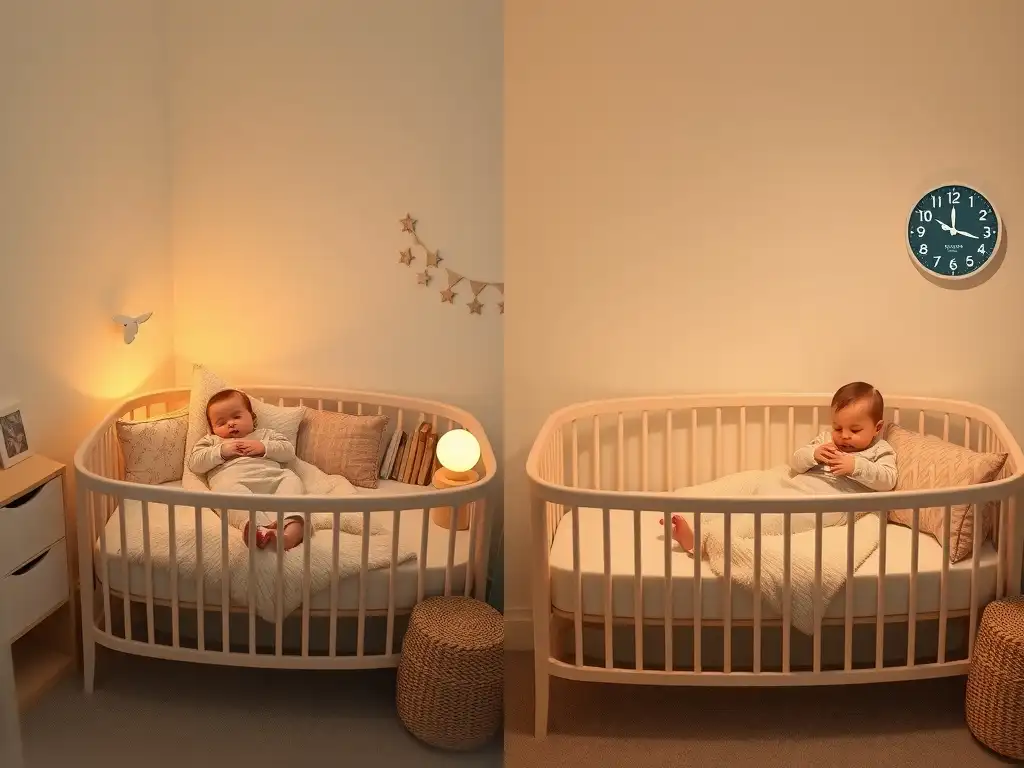
Successfully establishing a bedtime routine for twins or multiples isn't a sprint; it's a marathon. The initial weeks and months require significant dedication and flexibility, but the long-term payoff – consistent sleep for both your babies and yourselves – is invaluable. This section focuses on strategies to ensure your carefully crafted routine remains effective even as your little ones grow and change. Consistent routines are crucial for mitigating many of the common Twins bedtime routine challenges.
Adapting the Routine as Your Twins Grow and Develop
As your twins develop, their sleep needs will shift. What worked at six months might not be as effective at twelve months, or eighteen. Flexibility is paramount. For example, the duration of the bedtime routine itself may need adjustment. A newborn’s routine might only be 30 minutes long, while a toddler's could extend to an hour or more. Consider these developmental milestones and how they might impact your bedtime routine:
- 4-6 Months: This is often a time of significant developmental leaps, impacting sleep patterns. You might need to introduce new soothing techniques or adjust feeding schedules to accommodate changes in their wake windows.
- 6-12 Months: Separation anxiety might peak during this period. Ensure plenty of physical comfort and reassurance during the bedtime routine.
- 12-18 Months: Toddlers start becoming more mobile and independent. This might mean adjusting the routine to account for their increased activity levels before bed.
- 18 Months +: The need for consistent routines is even more important. Predictability provides security, which is vital for toddlers as they negotiate growing independence.
Remember, adapting the routine doesn't mean abandoning it entirely. Instead, think of it as a continuous process of refinement, always aiming for a structure that continues to meet your twins' evolving needs. Observe their cues – are they tired earlier? Do they need more or less interaction during the wind-down period? Small adjustments can make a big difference in maintaining a successful bedtime routine.
Maintaining Consistency: The Key to Long-Term Success
Consistency is the cornerstone of any successful bedtime routine, especially with twins. This means sticking to a regular schedule as much as possible, even on weekends and during travel. The predictability provides comfort and security for your babies, signaling their bodies it's time to wind down. This is especially important in addressing Twins bedtime routine challenges related to inconsistent sleep patterns.
Here are some practical tips to ensure consistency:
- Establish a clear schedule: Aim for the same bedtime and wake-up time every day, even on weekends.
- Create a predictable routine: Follow the same steps each night, in the same order. This could include bath time, putting on pajamas, reading books, singing lullabies, and cuddling.
- Use visual aids: Consider using a visual schedule or a chart for older babies to help them understand the routine.
- Communicate with your partner: Both parents need to be on the same page regarding the routine. Consistent messaging and shared responsibility are crucial.
- Be prepared for setbacks: There will be nights when things don't go according to plan. Don't get discouraged; simply return to the routine as soon as possible.
The Importance of Parental Self-Care in Twins' Bedtime Routine
Successfully managing a bedtime routine for twins requires considerable energy and patience. It’s crucial to remember that you need to be well-rested and emotionally balanced to effectively manage the demands of this challenging period. Neglecting your own well-being will only exacerbate the Twins bedtime routine challenges.
Prioritizing self-care isn't selfish; it's essential for your mental and physical health, and ultimately, for the success of your twins' bedtime routine. Consider these strategies:
- Schedule time for yourself: Even 15-20 minutes a day can make a difference. Use this time to relax, read, exercise, or simply unwind.
- Ask for help: Don't hesitate to ask for help from family or friends. Even a few hours of respite can be incredibly beneficial.
- Communicate your needs: Talk to your partner about your feelings and concerns. Sharing responsibilities and providing mutual support is key.
- Prioritize sleep: Aim to get as much sleep as possible, even if it means adjusting your schedule or seeking help with nighttime feedings or diaper changes.
- Practice mindfulness and stress-reduction techniques: Meditation, deep breathing exercises, or yoga can help manage stress and improve your overall well-being. A calm and relaxed parent is better equipped to handle the demands of caring for twins.
Remember, taking care of yourselves isn't a luxury; it's a necessity for successfully navigating the wonderful, yet often demanding, world of parenting twins. Prioritizing your well-being is an investment in your family's happiness and success in establishing and maintaining a consistent and effective bedtime routine.
Creating a Supportive Environment for Parents
Successfully navigating the unique challenges of establishing a bedtime routine for twins or multiples hinges significantly on creating a supportive environment for the parents themselves. The demands of caring for two or more infants are exponentially greater than caring for a single child, leading to increased stress and potential burnout. A strong support system is crucial for maintaining parental well-being and consistency in the bedtime routine.
The Role of Partners and Family Members in Bedtime Routines for Twins
The involvement of partners and family members is paramount. A shared responsibility significantly reduces the burden on each individual caregiver. This could involve a clear division of tasks: one parent might handle bath time while the other prepares the nursery, for example. Alternatively, a grandparent or other family member might assist with feeding or settling one twin while the other parent attends to the second. Clear communication and a pre-agreed-upon schedule are essential to ensure smooth transitions and avoid conflict. For instance, a simple whiteboard schedule detailing who is responsible for what task each night can be incredibly helpful.
“The key is teamwork. My husband and I alternate nights, with one taking full responsibility for the bedtime routine while the other handles any other nighttime needs that may arise. This gives us both a break and prevents burnout.” - Sarah J., mother of twins.
A flexible approach is also vital. Unexpected events, such as a late-night feeding or a sick child, will inevitably disrupt the planned routine. Having a backup plan and a supportive partner who can assist in these situations reduces stress and maintains a sense of calm. This support extends beyond the physical tasks; emotional support is equally crucial. Open communication and mutual understanding are essential for navigating the inevitable challenges and frustrations of caring for multiple infants.
Prioritizing Self-Care for Parents of Multiples
Self-care is often the first thing to be sacrificed when caring for twins or multiples. However, neglecting self-care can exacerbate stress, leading to exhaustion and impacting the effectiveness of the bedtime routine. Parents must actively prioritize activities that promote their well-being. This could involve anything from short periods of meditation or exercise to simply enjoying a hot cup of tea in peace. Even 15 minutes of uninterrupted time can make a significant difference in managing stress levels.
Prioritizing sleep, when possible, is critical. While this can be incredibly challenging, even short periods of rest throughout the day can improve energy levels and mental clarity. Parents should also consider seeking professional help if they are struggling to cope with the demands of caring for multiples. Therapists specializing in parental support can provide valuable guidance and coping strategies.
The following table illustrates some simple self-care strategies:
| Strategy | Time Commitment | Benefits |
|---|---|---|
| Short walk | 15-30 minutes | Improved mood, reduced stress, physical activity |
| Meditation/Yoga | 10-15 minutes | Relaxation, stress reduction |
| Warm bath | 20 minutes | Relaxation, muscle relief |
| Reading | 30 minutes | Relaxation, mental stimulation |
Remember, taking care of yourself isn't selfish; it's essential for effectively caring for your twins and maintaining a healthy family dynamic.
Finding Support and Community: Connecting with Other Parents of Twins
Connecting with other parents of twins or multiples provides invaluable support and a sense of community. Sharing experiences, challenges, and coping strategies can significantly reduce feelings of isolation and overwhelm. Online forums, support groups, and local parent groups offer opportunities to connect with others facing similar situations. These groups provide a safe space to ask questions, share advice, and receive emotional support. The shared experiences can be incredibly validating and help parents feel less alone in their journey.
Moreover, these communities often offer practical tips and advice on managing specific challenges related to bedtime routines for twins. Learning from the experiences of others can provide valuable insights and alternative strategies for establishing a successful bedtime routine tailored to the unique needs of your family. Remember, you're not alone in this journey, and connecting with others can make all the difference. The shared experiences and collective wisdom are invaluable resources in navigating the complexities of raising multiples. This support network can help you develop resilience and find joy in the unique challenges of parenthood.
Frequently Asked Questions
What are some unique bedtime routine challenges faced by parents of twins or multiples?
Parents of twins often face challenges like coordinating two (or more) separate bedtime routines, managing differing sleep schedules, and dealing with the amplified noise and activity of multiple children.
How can I create a consistent bedtime routine for twins with different sleep needs?
Individualized routines within a shared bedtime framework can be beneficial. Establish a consistent pre-sleep routine for each twin, while maintaining a similar overall timeframe for putting them to bed. This allows for individual needs while still promoting a sense of routine.
My twins are fighting at bedtime. What can I do?
Establish clear expectations and consistent consequences for disruptive behavior. Positive reinforcement for good behavior is key. Consider separate sleep spaces if fighting is persistent and impacting sleep.
What strategies can help soothe crying twins simultaneously?
Teamwork is essential! One parent can soothe one twin while the other soothes the second. Swaddling, white noise, and gentle rocking can be effective calming techniques for both simultaneously. Prioritize identifying the source of crying (hunger, discomfort, etc.).
Is it okay to put my twins to bed at different times?
While a shared bedtime is ideal, slightly staggered bedtimes might be necessary if twins have significantly different sleep schedules. Prioritize consistency within each individual routine and focus on creating a calm and predictable environment before sleep.
The challenges of establishing a consistent bedtime routine for twins or multiples are far from trivial; they represent a unique parenting hurdle that demands creativity, patience, and a deep understanding of each child's individual needs. This isn't just about getting two (or more!) little ones to sleep; it's about fostering healthy sleep habits, strengthening sibling bonds, and preserving the sanity of the parents. The impact of a well-structured routine extends far beyond the bedroom, influencing daytime behavior, emotional regulation, and overall family well-being.
The journey of establishing a successful bedtime routine with multiples is a testament to the resilience and adaptability of parents. It's a constant negotiation, a dance between individual needs and the shared family rhythm. This process, while demanding, offers invaluable insights into the complexities of sibling dynamics and the power of consistent routines. The most important thing a father can do for his children is to love their mother.
This quote, while not directly about bedtime routines, speaks to the foundational importance of creating a supportive and loving environment, which is crucial for successful sleep training in any family, especially one with multiples.
Now, consider your own family dynamics. What adjustments can you make to your current bedtime routine to better suit your twins or multiples? Don't be afraid to experiment, to adapt strategies, and to celebrate even the smallest victories. Remember, there's no one-size-fits-all solution; the key is finding what works best for your unique family constellation. Embrace the chaos, cherish the cuddles, and know that even amidst the whirlwind of multiple bedtime battles, you are building a foundation of healthy habits and strong family bonds.
Unlock Your Twins' (or Multiples') Peaceful Nights
Thank you for exploring BabyCareHub's guide to bedtime routines for twins or multiples! We hope you found helpful advice on managing the unique challenges of settling multiple young children. Now let's put that knowledge into practice.
Here's how you can begin creating those blissful bedtime moments:
- Start with one small change this week. Even a single new strategy—such as an earlier bedtime or a calming activity—can significantly improve things.
- Share your biggest bedtime success (or challenge!) in the comments below. Let's build a supportive community where we can all learn and grow together.
- Consider joining our BabyCareHub forum for additional tips and support from other parents of multiples.
Ready to transform those sleepless nights into peaceful evenings? What's your first step tonight?