
White Noise and Baby Temperament: Understanding Individual Needs


Welcome to BabyCareHub, your ultimate guide to navigating the exciting yet challenging world of parenthood! Are you curious about the connection between your baby's temperament and their need for white noise? We delve into the fascinating world of baby temperament white noise needs in our latest article, offering practical advice and insights to help you understand and support your little one's sleep patterns. Discover how to create a peaceful and restful environment tailored to your baby's unique personality – read on to unlock the secrets to better sleep for both you and your baby!
- Understanding Your Baby's Temperament and Sleep Needs
- How White Noise Impacts Different Baby Temperaments
- Choosing the Right White Noise Machine for Your Baby's Needs
- Beyond White Noise: Creating a Conducive Sleep Environment
- Establishing a Consistent Bedtime Routine: Tips for Success
- Addressing Underlying Issues: Colic, Reflux, and Other Medical Considerations
- When to Seek Professional Help for Baby Sleep Issues
- Case Studies: Real-Life Examples of White Noise and Baby Temperament
- Frequently Asked Questions
- Final Reflection: The Symphony of Sleep: Tuning into Your Baby's Unique Needs
- Unlock Your Baby's Calm: Personalized Sleep Strategies
Understanding Your Baby's Temperament and Sleep Needs
Navigating the world of newborn sleep can feel overwhelming, especially for first-time parents. While consistent routines and sleep hygiene practices are crucial, understanding your baby's unique temperament is equally important for optimizing their sleep and overall well-being. This article explores the intricate relationship between baby temperament and the effectiveness of white noise, a popular sleep aid often touted for its calming effects.
We'll delve into how different temperaments influence sleep patterns and how you can tailor your approach to white noise based on your individual baby's needs. This isn't a one-size-fits-all solution; recognizing your baby's personality and sleep preferences is key to establishing healthy sleep habits and fostering a peaceful home environment. Learning to interpret your baby's cues and adapt your strategies will be invaluable in this journey, and understanding the role of temperament in sleep is the first crucial step.
Identifying Your Baby's Temperament: Easy-to-Use Charts and Questionnaires
Understanding your baby's temperament is the foundation for effective sleep strategies. While every baby is unique, several common temperament traits influence sleep patterns. Babies are often categorized along a spectrum, ranging from "easy" to "difficult." Easy babies tend to adapt readily to new situations, have predictable sleep-wake cycles, and are generally content. Difficult babies, on the other hand, may be more irritable, have irregular sleep patterns, and struggle with transitions. There's also a group of "slow-to-warm-up" babies who initially react negatively to new situations but gradually adapt over time.
To help identify your baby's temperament, consider using readily available resources:
- Simple Observation: Pay attention to your baby's reactions to different stimuli – loud noises, bright lights, new faces. Do they react calmly or become fussy?
- Online Questionnaires: Several reliable websites offer questionnaires designed to assess infant temperament. These questionnaires often provide a detailed profile of your baby's personality traits.
- Developmental Pediatrician Consultation: If you have concerns about your baby's temperament or sleep patterns, consulting a developmental pediatrician can provide valuable insights and personalized guidance.
This information will help you anticipate your baby's needs and tailor your approach to sleep training and using white noise effectively. Remember, there is no "right" or "wrong" temperament; each has its own unique challenges and rewards.
The Role of Temperament in Sleep Patterns: High-Need vs. Low-Need Babies
A baby's temperament significantly impacts their sleep patterns. "High-need" babies, often characterized by greater irritability, sensitivity to stimuli, and difficulty self-soothing, may require more structured routines and sleep aids like white noise to achieve restful sleep. Conversely, "low-need" babies, typically more adaptable and self-soothing, might find white noise beneficial but may not require it as much.
Consider the following table illustrating these differences:
| Feature | High-Need Baby | Low-Need Baby |
|---|---|---|
| Sleep Patterns | Irregular, frequent awakenings, difficulty settling | Regular, longer sleep stretches, easy settling |
| Sensory Sensitivity | Highly sensitive to light, sound, and touch | Less sensitive to external stimuli |
| Self-Soothing | Difficulty self-soothing | Easily self-soothes |
| Response to White Noise | May find it highly beneficial | May benefit, but may not require it as much |
Understanding these differences allows you to personalize your approach to sleep support. For high-need babies, white noise might be a crucial tool for creating a calming sleep environment, masking disruptive noises, and promoting longer sleep periods.
Common Sleep Challenges in Babies with Different Temperaments
Different temperaments present unique sleep challenges. High-need babies may experience more frequent night wakings, difficulty falling asleep, and greater sensitivity to environmental stimuli. They might benefit from consistent routines, swaddling, and the use of white noise to create a predictable and calming environment. Slow-to-warm-up babies may need more time to adjust to new situations, including bedtime routines and the introduction of white noise. A gradual introduction, starting with low volume and slowly increasing it as needed, may be beneficial.
Low-need babies, while generally easier sleepers, can still benefit from white noise to block out distracting noises and promote deeper sleep. However, they may not require it as consistently as high-need babies. Always remember to monitor your baby's response to white noise and adjust accordingly. If your baby seems distressed or agitated, reduce the volume or discontinue use.
How White Noise Impacts Different Baby Temperaments
Understanding how white noise affects your baby's sleep depends heavily on their individual temperament. Not all babies react the same way to auditory stimuli, and what works wonders for one might be completely ineffective – or even disruptive – for another. This section explores how different temperaments interact with white noise, offering tailored strategies for optimal sleep. Recognizing your baby's unique personality is key to leveraging the benefits of white noise effectively and addressing their specific "baby temperament white noise needs."
White Noise and Fussy Babies: Calming Techniques and Sound Machine Recommendations
Fussy babies, often characterized by their frequent crying, restlessness, and difficulty settling, can significantly benefit from white noise. The consistent, low-level sound can mask sudden noises that might startle them awake or heighten their anxiety. For these little ones, a higher volume of white noise might be necessary, but it's crucial to monitor their reactions closely. Start with a lower volume and gradually increase it if needed, always ensuring the sound is not overwhelming.
Consider these calming techniques alongside white noise:
- Swaddling: This provides a sense of security and reduces the startle reflex.
- Gentle rocking or swaying: This mimics the rhythmic motion they experienced in the womb.
- Skin-to-skin contact: This offers comfort and regulates their body temperature.
Sound machine recommendations for fussy babies often involve machines with a range of sounds and volume control:
- Machines with nature sounds: These can offer a gentler alternative to pure white noise.
- Machines with adjustable timers: This allows you to gradually wean your baby off the white noise as they get older.
- Machines with multiple sound options: This allows flexibility in finding the most soothing sound for your baby.
Remember, consistency is key. Using white noise regularly can help your fussy baby learn to associate it with sleep.
White Noise for Sensitive Babies: Choosing the Right Volume and Sound Type
Sensitive babies are easily overstimulated and might react negatively to loud or harsh sounds. For them, white noise should be used sparingly and at a very low volume. Too much stimulation can lead to increased fussiness and difficulty sleeping. Consider softer sounds like:
- Pink noise: This has a gentler, less intense sound than white noise.
- Nature sounds: The gentle sounds of rain or ocean waves can be very soothing.
- Lullabies or soft music: These can offer a more calming and less intense auditory experience.
It's crucial to carefully monitor your sensitive baby's reaction to any sound. If they appear distressed, immediately reduce the volume or turn the sound off. A gradual introduction to white noise is also recommended, starting with very short periods and gradually increasing the duration as they become accustomed to it. Prioritize creating a calm and peaceful sleep environment, minimizing other sources of stimulation.
| Sound Type | Volume Recommendation | Potential Benefits | Potential Drawbacks |
|---|---|---|---|
| White Noise | Very Low | Masks sudden noises, creates consistent sound | Can be overwhelming for sensitive babies |
| Pink Noise | Low | Gentler than white noise, calming effect | May not be effective for all babies |
| Nature Sounds | Low | Soothing and relaxing | Can be inconsistent in volume and intensity |
| Soft Music/Lullabies | Low | Calming and familiar | May not mask sudden noises as effectively as white noise |
White Noise for Strong-Willed Babies: Combining White Noise with Other Sleep Strategies
Strong-willed babies often have their own routines and preferences, and might not readily accept white noise. For these babies, a more gradual introduction and a flexible approach are essential. Simply playing white noise might not be enough; you might need to combine it with other sleep strategies:
- Consistent bedtime routine: This helps establish predictability and reduces anxiety.
- Positive reinforcement: Reward calm behavior during bedtime.
- Establishing a dark and quiet sleep environment: This minimizes distractions.
- Gentle handling and soothing techniques: Avoid overly stimulating interactions before bed.
White noise, in this case, serves as a supplementary tool rather than the primary sleep aid. Experiment with different sound types and volumes to find what works best for your strong-willed baby. Don't force it if they show clear signs of dislike; respect their preferences while gradually introducing the sound into their sleep environment. Remember, patience and consistency are key to success with this type of baby. Observe carefully and adapt your approach based on their individual reactions and preferences. The goal is to find the right balance to support their sleep without causing additional stress or conflict.
Choosing the Right White Noise Machine for Your Baby's Needs
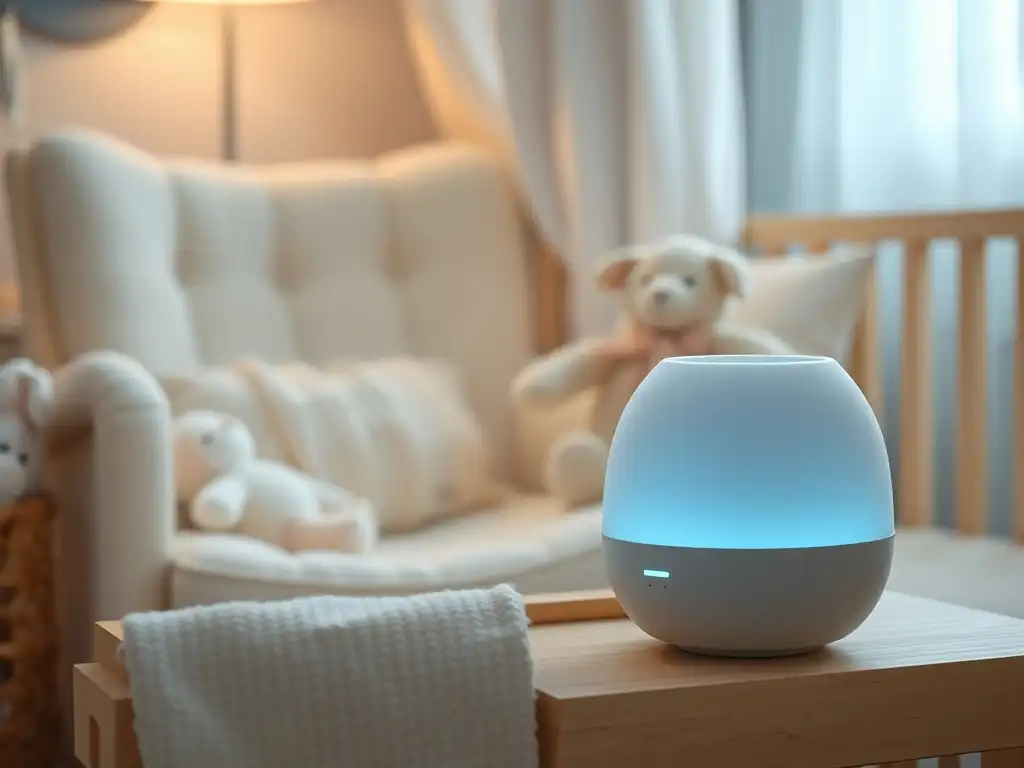
This section focuses on selecting the optimal white noise machine to cater to your baby's unique temperament and sleep patterns. Remember, the effectiveness of white noise varies significantly depending on your baby's individual sensitivities and preferences. What works wonders for one infant might be disruptive to another. Understanding your baby's temperament is crucial in navigating this process.
A highly sensitive baby might react negatively to louder sounds or abrupt changes in volume, while a less sensitive baby might require a more intense sound to achieve restful sleep. This careful selection process contributes significantly to achieving optimal sleep for both parent and child. Consider the following factors when making your purchase: sound quality, ease of use, safety features and of course, budget. The goal is to find a machine that provides consistent, soothing background noise without being overwhelming or potentially harmful.
Top Rated White Noise Machines for Babies: Features and Comparisons
Choosing the right white noise machine can feel overwhelming. The market offers a wide array of options, each boasting different features and price points. To help you navigate this, we've compiled a comparison of some top-rated models, focusing on features relevant to baby temperament and sleep needs. Note that this is not an exhaustive list, and new models are frequently released.
| Model Name | Key Features | Pros | Cons | Price Range | Suitable for Baby Temperament |
|---|---|---|---|---|---|
| [Model Name Pending] | [Features Pending: e.g., adjustable volume, multiple sounds, timer] | [Pros Pending: e.g., easy to use, durable, portable] | [Cons Pending: e.g., slightly bulky, limited sound options] | [Price Range Pending] | [Temperament suitability Pending] |
| [Model Name Pending] | [Features Pending: e.g., auto-shutoff, nightlight, multiple sound options] | [Pros Pending: e.g., soothing sounds, long battery life] | [Cons Pending: e.g., can be a bit pricey, slightly loud at max volume] | [Price Range Pending] | [Temperament suitability Pending] |
| [Model Name Pending] | [Features Pending: e.g., compact design, simple controls, multiple sound options] | [Pros Pending: e.g., portable, affordable, easy to clean] | [Cons Pending: e.g., short battery life, limited sound variety] | [Price Range Pending] | [Temperament suitability Pending] |
Remember to always prioritize safety features and check reviews before purchasing. Consider your baby's sensitivity to sound and choose a machine that offers adjustable volume and a range of sound options. This allows you to tailor the environment to your baby's specific needs.
Essential Features to Consider: Volume Control, Sound Variety, Timer, and Safety
Selecting a white noise machine requires careful consideration of several key features. Let's delve deeper into the essential aspects:
- Volume Control: This is paramount. A machine with precise volume control allows you to adjust the sound level to suit your baby's temperament. Babies vary greatly in their sensitivity to sound; what's soothing for one might be overwhelming for another. A fine-tuned volume control ensures you can create a calm and comfortable auditory environment without startling your little one. 😴
- Sound Variety: Offering multiple sounds beyond basic white noise is a significant advantage. Some babies respond better to ocean waves 🌊, rainfall 🌧️, or even gentle fan sounds. A machine with diverse sound options allows you to experiment and find what best calms your baby. This adaptability is crucial for addressing the evolving needs of your growing child.
- Timer: A built-in timer is a crucial safety and practicality feature. It allows you to set the machine to automatically switch off after a predetermined period, preventing unnecessary energy consumption and ensuring the machine doesn't play throughout the night. This is especially important for babies who may gradually become less responsive to the white noise as they get older.
- Safety: Look for machines that meet safety standards and are made from non-toxic materials. Ensure the machine is securely constructed and free from small parts that could pose a choking hazard. Consider features like auto-shutoff in case of malfunction, adding an extra layer of protection.
The market offers white noise machines across a wide price spectrum. While premium options often boast advanced features like sophisticated sound technology and longer battery life, budget-friendly alternatives can still provide effective white noise for your baby. The key is to find a balance that meets your needs and budget without compromising safety and functionality.
Consider the following points:
- Budget-Friendly Options: These often prioritize simplicity and affordability. They may have fewer sound options and basic features, but can still be highly effective for many babies. Look for machines with good volume control and a reliable timer.
- Premium Options: These machines generally offer a wider range of sounds, advanced features like Bluetooth connectivity or app control, longer battery life, and potentially higher-quality sound reproduction. While they are more expensive, the extra features can be worth the investment for parents seeking a more versatile and convenient solution.
Ultimately, the best white noise machine for your baby depends on their individual temperament, your budget, and your preferences. Prioritize safety, adaptability, and ease of use to ensure a peaceful sleep environment for both you and your little one. Remember to always monitor your baby's response to the white noise and adjust accordingly.
Beyond White Noise: Creating a Conducive Sleep Environment
Understanding how white noise impacts a baby's sleep is only part of the puzzle. Creating a truly conducive sleep environment requires a holistic approach, considering several other crucial factors. While white noise can mask disruptive sounds, optimizing the nursery itself significantly contributes to better sleep for babies of all temperaments. A well-prepared sleep space can help soothe even the fussiest infants and promote longer, more restful sleep periods. The effectiveness of white noise is dramatically enhanced when paired with a calm and comfortable sleep environment.
Optimizing the Nursery: Temperature, Lighting, and Routine
The ideal nursery temperature for baby sleep is generally between 68-72°F (20-22°C). A slightly cooler temperature is often more conducive to sleep than a warmer one. Overheating can lead to discomfort and restlessness, interrupting sleep cycles. Using a thermometer to monitor the room's temperature ensures consistency.
Furthermore, maintaining a consistently dark or dimly lit room is crucial. Darkness signals to the body that it's time to sleep. Avoid bright lights, screens (phones, tablets, TVs), and even nightlights that emit bright light. A very dim nightlight, if absolutely necessary, should be used sparingly and should be of a low-intensity, red hue to minimize disruption to melatonin production.
Beyond temperature and lighting, a consistent bedtime routine is paramount. A predictable sequence of calming activities, such as a warm bath, a story, and a lullaby, signals to your baby that sleep is approaching. This routine helps regulate their circadian rhythm, making it easier for them to fall asleep and stay asleep. Establishing this routine early on, even from the newborn stage, can significantly improve sleep quality and reduce nighttime awakenings. The consistency of the routine is key; sticking to it as much as possible, even on weekends, helps to reinforce the sleep-wake cycle.
Establishing a Consistent Bedtime Routine: Tips for Success
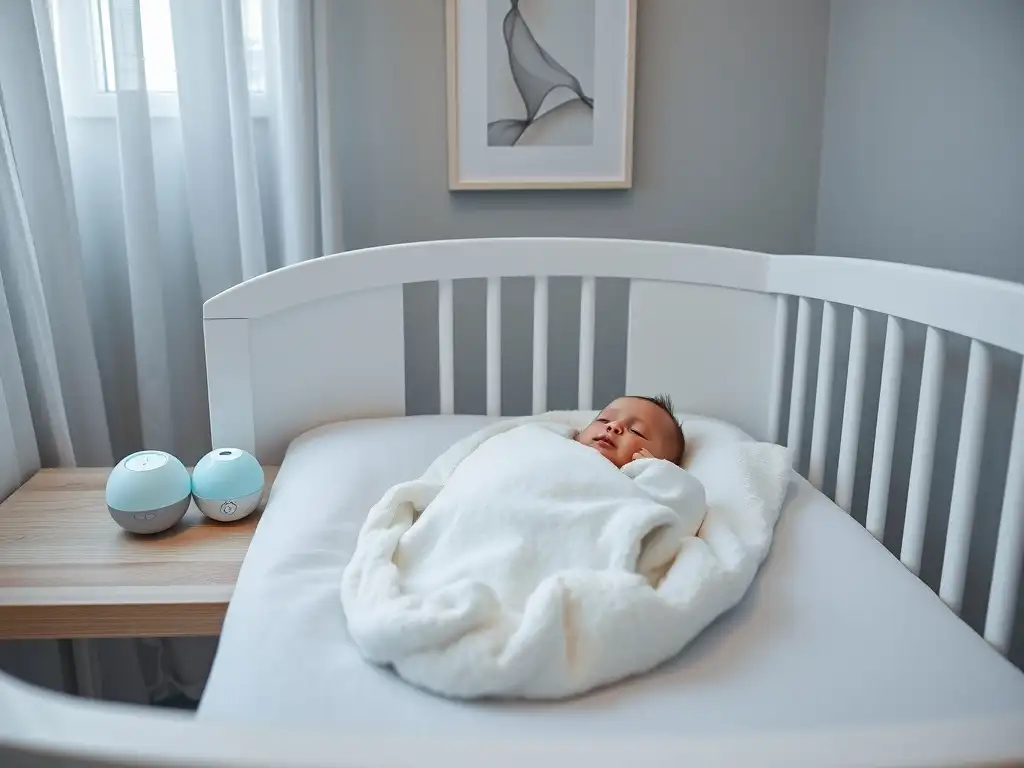
Creating a successful bedtime routine is a crucial aspect of managing your baby's sleep, especially when considering their individual temperament and response to white noise. A well-structured routine doesn't just mean a set of activities; it's about creating a calming and predictable transition from wakefulness to sleep. Remember that consistency is key; babies thrive on predictability.
Here are some practical tips for establishing a successful bedtime routine:
- Start early: Begin the routine about 30-60 minutes before bedtime. This allows ample time for winding down.
- Keep it consistent: The same sequence of activities each night reinforces the routine and helps regulate your baby’s internal clock.
- Choose calming activities: Include soothing activities like a warm bath, gentle massage, singing lullabies, or reading a book. Avoid stimulating activities.
- Dim the lights: Lowering the lights an hour before bed helps your baby's body naturally produce melatonin, the sleep hormone.
- Create a peaceful environment: Ensure the nursery is dark, quiet, and at a comfortable temperature.
- Be patient: It may take time for your baby to adjust to the new routine. Consistency is vital for success.
- Adjust as needed: As your baby grows, you may need to slightly modify the routine to fit their changing needs.
Remember to observe your baby's cues. If they seem overly tired, adjust the routine slightly. If they are resistant to a particular activity, try substituting a different calming activity. The goal is to create a relaxing and predictable sequence that helps your baby transition smoothly into sleep.
Addressing Underlying Issues: Colic, Reflux, and Other Medical Considerations
Even with a well-optimized sleep environment and the use of white noise, some babies may still struggle with sleep due to underlying medical conditions. Colic, gastroesophageal reflux (GER), and other medical issues can significantly disrupt sleep. While white noise might help to mask some sounds, it won't address the root cause of the sleep disturbance.
Colic:
Colic is characterized by prolonged and inconsolable crying in otherwise healthy infants. It typically begins around 2-3 weeks of age and can last for several weeks. The exact cause of colic is unknown, but it's often associated with digestive issues or sensitivities. If you suspect your baby has colic, consult your pediatrician. They can help rule out other medical conditions and offer strategies for managing the discomfort. Strategies may include dietary changes for breastfeeding mothers, changes in feeding techniques, and soothing techniques to calm the baby.
Reflux:
Gastroesophageal reflux (GER) occurs when stomach acid flows back up into the esophagus. This can cause discomfort and interfere with sleep. Symptoms can include spitting up, fussiness, and arching of the back. If your baby shows signs of GER, it's crucial to consult your pediatrician. They can diagnose the condition and recommend appropriate management strategies, which might include dietary changes, medication, or positioning techniques.
Other Medical Considerations:
Several other medical conditions can affect a baby's sleep, such as ear infections, allergies, and other illnesses. If your baby is consistently struggling with sleep despite your efforts to create a conducive sleep environment and use white noise, it's important to consult your pediatrician to rule out any underlying medical issues. Early diagnosis and treatment are crucial for ensuring your baby's health and well-being. Don't hesitate to seek professional medical advice if you have concerns about your baby's sleep or overall health. A healthy baby is more likely to sleep soundly.
When to Seek Professional Help for Baby Sleep Issues
Understanding your baby's temperament is crucial for establishing healthy sleep habits. However, even with the best intentions and strategies, some babies struggle with sleep significantly more than others. Knowing when to seek professional help is vital for ensuring your baby's well-being and your own sanity.
This section will guide you through recognizing signs that warrant seeking expert advice, and help you navigate the process of finding the right support for your family's unique needs. Remember, seeking help isn't a sign of failure; it's a sign of proactive parenting. Addressing potential sleep issues early can prevent them from escalating into more significant problems.
Recognizing Signs of Underlying Sleep Disorders
While fussiness and inconsistent sleep are common in newborns, certain persistent patterns can indicate underlying sleep disorders. These signs should prompt a consultation with a pediatrician or sleep specialist. Consider these red flags:
- Extreme difficulty falling asleep: If your baby consistently fights sleep for extended periods (over an hour), even after trying various soothing techniques, including white noise, it could signal a problem. This isn't just about occasional fussiness; it's about prolonged, intense distress before sleep onset.
- Frequent night wakings: Occasional night wakings are normal, but excessively frequent wakings (more than 5-6 times a night) consistently, even after addressing feeding and diaper changes, may suggest an underlying issue. This is especially concerning if these wakings are accompanied by distress that is difficult to soothe.
- Excessive daytime sleepiness: While newborns sleep a lot, excessive daytime sleepiness that interferes with feeding or interaction could indicate a sleep disorder. This can be accompanied by irritability and difficulty concentrating when awake.
- Abnormal breathing patterns during sleep: Apnea (pauses in breathing) or other irregular breathing patterns should always be addressed immediately by a medical professional. This is a serious issue requiring prompt medical attention.
- Failure to thrive: If your baby is consistently failing to gain weight appropriately despite adequate feeding, sleep disturbances could be a contributing factor, demanding immediate professional intervention.
The interplay between baby temperament and sleep is complex. While white noise can help some babies, persistent sleep problems might point to underlying medical conditions that require expert diagnosis and treatment. Don't hesitate to seek help if you notice any of these persistent patterns. Remember, early intervention is key.
Consulting a Pediatrician or Sleep Consultant: Finding the Right Support
Navigating the world of baby sleep experts can feel overwhelming. Both pediatricians and certified sleep consultants offer valuable support, but their approaches differ. Pediatricians focus on the medical aspects of sleep, ruling out any underlying medical conditions. Sleep consultants, on the other hand, focus on behavioral strategies to improve sleep habits.
| Professional | Focus | Approach | When to Consult |
|---|---|---|---|
| Pediatrician | Medical aspects of sleep, ruling out conditions | Medical examination, tests, potential referrals | Any concerns about baby's health, abnormal sleep patterns |
| Certified Sleep Consultant | Behavioral sleep training, habit modification | Personalized sleep plans, education, support | Persistent sleep problems despite trying other methods |
Choosing the right professional depends on your baby's specific needs. If you suspect a medical issue, a pediatrician is the first point of contact. If your baby's sleep problems are primarily behavioral, a certified sleep consultant may be more appropriate. Some pediatricians also offer sleep consultations, combining both medical and behavioral approaches.
Understanding the Benefits of Professional Sleep Guidance
Seeking professional guidance offers several significant benefits beyond improved sleep for your baby. The support provided can significantly reduce parental stress and improve family well-being. It empowers parents with knowledge and practical strategies, fostering confidence in their parenting abilities. Professional guidance can:
- Identify and address underlying medical conditions: A pediatrician can rule out any underlying medical issues contributing to sleep problems.
- Develop a personalized sleep plan: A sleep consultant can create a tailored plan based on your baby's temperament and your family's lifestyle.
- Provide evidence-based strategies: These professionals use proven methods, minimizing trial-and-error and maximizing effectiveness.
- Reduce parental stress and anxiety: Getting expert help can alleviate the emotional burden of sleep deprivation and frustration.
- Improve family dynamics: Better sleep for your baby translates to better sleep and overall well-being for the entire family.
Remember, prioritizing your baby's sleep health is an investment in your family's overall well-being. Don't hesitate to seek professional support when needed. It's a sign of responsible and proactive parenting. 😴
Case Studies: Real-Life Examples of White Noise and Baby Temperament
This section delves into specific examples illustrating how white noise interacts with varying baby temperaments. Remember, every baby is unique, and what works for one may not work for another. The goal is to highlight the adaptable nature of white noise and its potential to support diverse sleep needs. Understanding your baby's individual temperament is key to successfully using white noise to promote restful sleep. This is crucial for addressing the "baby temperament white noise needs" effectively.
Case Study 1: Fussy Baby Finds Solace with White Noise
Little Leo was a notoriously fussy baby. He was easily startled, cried frequently, and struggled to self-soothe. His parents tried various methods to calm him, including swaddling and rocking, with limited success. His high-pitched cries often disrupted the entire household.
Introducing white noise, specifically a fan on low setting, proved to be a game-changer. The consistent, low-level sound masked sudden noises and provided a comforting auditory backdrop. Within a week, Leo's crying episodes significantly reduced, and his sleep improved dramatically.
His parents noted that the gentle hum of the fan helped to regulate his breathing and heart rate, mimicking the sounds he experienced in the womb. This demonstrates how white noise can be particularly beneficial for babies with easily-aroused nervous systems, improving their overall sleep quality and reducing parental stress. The consistent sound helped to create a more predictable and calming environment for this easily-overwhelmed infant, directly addressing his specific "baby temperament white noise needs."
Case Study 2: Sensitive Baby Thrives with Gentle White Noise
Mia was a highly sensitive baby. Loud noises or sudden changes in her environment would make her cry inconsolably. Her parents initially hesitated to use white noise, fearing it might overwhelm her. However, they opted for a very gentle, low-volume white noise machine that emitted a soft, shushing sound. This approach proved successful.
The subtle background noise helped to mask disruptive sounds without being overly stimulating. Mia responded positively, sleeping longer and more peacefully. This case highlights the importance of considering the intensity of the white noise. For sensitive babies, a lower volume and a more natural-sounding white noise (like rain sounds or a gentle heartbeat) may be more effective and less overwhelming. This approach acknowledges the unique "baby temperament white noise needs" of sensitive infants, promoting a peaceful and calming sleep environment.
Case Study 3: Strong-Willed Baby Responds to a Multi-Sensory Approach
Ethan was a strong-willed baby with a preference for his own routines. He resisted most attempts to settle him for sleep. White noise alone wasn't sufficient to soothe him.
His parents found that a multi-sensory approach, incorporating white noise alongside a dim nightlight and a consistent bedtime routine, was more effective. The white noise provided a soothing auditory backdrop, while the dim light and consistent routine helped to create a predictable and calming environment. This demonstrates that for some babies, a combination of strategies, including white noise, is necessary to address their unique sleep needs.
Ethan's case underscores the importance of considering a holistic approach, tailoring the use of white noise to complement other sleep-promoting techniques. This illustrates how understanding individual "baby temperament white noise needs" often requires a more comprehensive strategy beyond simply playing white noise. The combination of sensory input worked synergistically to improve Ethan's sleep significantly, proving that a tailored approach is crucial.
Frequently Asked Questions
How does white noise affect a baby's temperament?
White noise can soothe babies with irritable temperaments by masking startling noises and creating a consistent auditory environment. However, it's crucial to experiment to see what works best for your individual baby.
What type of white noise is best for my baby?
There's no single "best" type. Experiment with different sounds, such as fan noise, rain sounds, or shushing sounds, to see which your baby responds to most positively. Observe your baby's reactions to determine preference.
My baby seems unaffected by white noise. Is this normal?
Yes, it's perfectly normal. Not all babies respond favorably to white noise. Some babies may be naturally calm, or the noise might be too loud or distracting.
How long should I play white noise for my baby?
There's no set time limit. Use white noise only when necessary to soothe your baby, and always monitor the volume to ensure it's not too loud. Gradually reduce usage as your baby grows.
Is there a risk of using white noise too much?
While generally safe, excessive or prolonged exposure to white noise could potentially affect your baby's hearing. Maintain a moderate volume and use it sparingly, and always prioritize your baby's comfort and well-being.
Final Reflection: The Symphony of Sleep: Tuning into Your Baby's Unique Needs
The pervasive use of white noise for babies, while seemingly ubiquitous, masks a crucial truth: not all babies respond to it the same way. Understanding individual temperament is paramount, and ignoring this fundamental difference can lead to missed opportunities for fostering healthy sleep patterns and overall well-being.
The impact of this nuanced approach extends far beyond the immediate issue of sleep. It speaks to a broader cultural shift, moving away from one-size-fits-all solutions towards a more personalized understanding of child development. Every child is an artist. The problem is to keep them from drying up.
– Pablo Picasso. This quote highlights the unique potential within each child, and recognizing their individual temperament is the first step in nurturing that potential. The pressure to conform to societal norms regarding sleep training often overshadows the importance of respecting a baby's inherent nature, leading to unnecessary stress for both parent and child.
Consider the implications of this for your own family. Are you truly listening to your baby's cues, or are you relying on generalized advice? Take a moment to reflect on your child's unique personality and how their temperament might influence their response to white noise and other sleep aids. Embrace the individuality of your little one, and discover the unique lullaby that best soothes their soul. The journey to understanding your baby's needs is a deeply rewarding one, and the rewards extend far beyond peaceful nights.
Unlock Your Baby's Calm: Personalized Sleep Strategies
Thank you for exploring the world of white noise and its impact on your baby's sleep! We hope you've gained valuable insights into understanding your little one's unique needs. Now, let's put that knowledge into practice.
- Create a customized white noise playlist: Experiment with different sounds and volumes to discover what soothes your baby most effectively. Pay close attention to their reactions—this is crucial!
- Share your experiences: Let other parents know what worked for you in the comments below. Sharing our collective knowledge is the best way to support each other and improve our approaches to infant sleep.
- Maintain a sleep diary: Track your baby's sleep patterns, noting when and how you use white noise and the resulting effects. This detailed record will help you refine your strategy over time.
What subtle cues does your baby give you to indicate their preferred sleep environment? Let's discuss!