
Traveling with a Premature Baby: Precautions and Tips

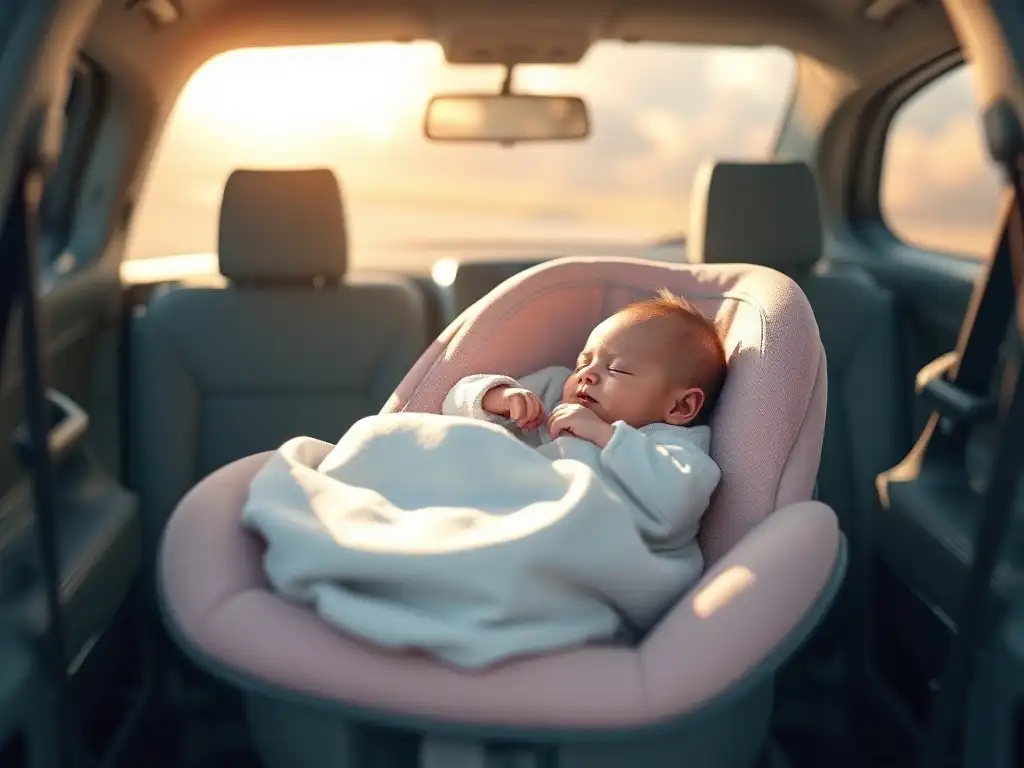
Welcome to BabyCareHub, your ultimate guide to navigating the incredible journey of parenthood! Are you a first-time parent facing the unique challenge of traveling with your precious premature baby? We understand the anxieties involved, and that's why we've created this invaluable resource. Discover essential Premature baby travel safety tips and learn how to ensure a smooth and safe trip for your little one. Dive in and unlock the secrets to confident and worry-free travel with your premature baby – your adventure awaits!
- Preparing for Travel with Your Premature Infant: Essential Steps
- Ensuring Your Premature Baby's Safety During Travel
- Essential Items for Safe Premature Baby Travel
- Premature Baby Travel Safety Tips: Minimizing Risks
- Post-Travel Care for Your Premature Baby
- When to Avoid Traveling with a Premature Baby
-
Frequently Asked Questions
- What are the biggest safety concerns when traveling with a premature baby?
- When is it safe to travel with a premature baby?
- What special equipment should I bring when traveling with a premature baby?
- How can I minimize the risk of infection during travel with my premature baby?
- What are some tips for keeping my premature baby comfortable during air travel?
- Final Reflection: Embracing the Journey: Safe Travels with Premature Infants
- Unlock Your Confidence: Traveling Safely with Your Premature Baby
Preparing for Travel with Your Premature Infant: Essential Steps
Traveling with a premature baby can feel daunting, but with careful planning and preparation, it can be a safe and even enjoyable experience. This guide provides comprehensive advice and safety tips specifically tailored for parents of premature infants venturing out on journeys, near or far.
We'll cover crucial steps to take before, during, and after travel, ensuring your little one's well-being remains the top priority. Remember, always consult your pediatrician before embarking on any trip with your premature baby, as their individual health status and needs will significantly influence travel suitability and necessary precautions.
This article aims to equip you with the knowledge to make informed decisions and navigate the unique challenges associated with traveling with a premature infant, helping you confidently navigate the journey and prioritize your baby's safety and comfort. The focus will be on minimizing risks and maximizing a positive travel experience for both you and your precious little one.
Assessing Your Premature Baby's Health for Travel Readiness
Before even considering travel, a thorough assessment of your premature baby's health is paramount. This involves a detailed discussion with your pediatrician to determine your baby's readiness for the trip. Several factors need careful consideration:
- Gestational age and weight: Babies born significantly prematurely or with low birth weights might require a longer period before they are strong enough for travel. Your doctor will assess their developmental progress and overall health to determine suitability.
- Respiratory function: Premature babies often have underdeveloped lungs, making them susceptible to respiratory distress. Your doctor will evaluate their breathing patterns and oxygen saturation levels to assess the risks associated with travel. Stable respiratory function is crucial for safe travel.
- Feeding and digestion: The ability to feed effectively and digest nutrients is another important factor. If your baby is still relying on supplemental oxygen or feeding tubes, travel might pose additional challenges. Your doctor will advise on how to manage feeding during travel.
- Current health status: Any existing medical conditions, like heart problems or infections, need to be thoroughly evaluated. Unstable health conditions are a major contraindication for travel.
- Incubation needs: If your baby requires an incubator or specialized medical equipment, you need to arrange for appropriate transportation and ensure the equipment is compatible with the chosen mode of travel.
Your pediatrician will provide a comprehensive evaluation and advise you on the safest time to travel based on your baby's specific needs and health status. Don't hesitate to ask questions and express any concerns you may have. A clear understanding of your baby's health status is the foundation for safe and comfortable travel.
Choosing the Right Mode of Transportation for Premature Baby Travel
The choice of transportation significantly impacts your premature baby's safety and comfort. Consider the following factors when making your decision:
- Car travel: For shorter distances, a car might be a suitable option, provided you have a proper car seat suitable for a premature baby. Ensure the car seat is installed correctly and your baby is securely fastened. Frequent stops for feeding and diaper changes are essential. 🚗
- Air travel: Air travel for premature babies requires careful consideration. Consult your pediatrician and the airline about any necessary medical clearances or accommodations. Consider booking a direct flight to minimize disruptions. ✈️
- Train travel: Train travel can offer a more relaxed atmosphere compared to air travel, but it might not be as convenient for frequent feeding and diaper changes. Ensure you have ample space for your baby's equipment. 🚂
The best mode of transportation depends on various factors, including the distance, your baby's health status, and your personal preferences. Always prioritize your baby's safety and comfort when making your choice.
Packing Essentials for Safe and Comfortable Premature Baby Travel
Packing appropriately is crucial for a smooth and stress-free journey. Your bag should include:
| Item | Quantity | Notes |
|---|---|---|
| Diapers | Ample supply | Consider more than you think you'll need, especially for longer trips. |
| Wipes | Several packs | For cleaning and hygiene. |
| Formula or breast milk | Sufficient amount | Pack in insulated bags with ice packs, following airline guidelines if flying. |
| Bottles or feeding tubes | As needed | Ensure they are clean and sterilized. |
| Medications | Prescribed amounts | Keep all medications in their original containers and readily accessible. |
| Extra clothing | Multiple outfits | Premature babies are prone to temperature fluctuations. |
| Swaddles or blankets | Several | For warmth and comfort. |
| Baby monitor | 1 | To keep an eye on your baby while you're away. |
| Portable changing mat | 1 | For convenient diaper changes. |
| First-aid kit | 1 | Include essentials like antiseptic wipes and bandages. |
Remember to pack light but strategically, prioritizing your baby's needs and comfort. A well-organized bag will make your journey much smoother. Careful planning and preparation are key to ensuring a safe and comfortable trip for both you and your precious premature baby. Always prioritize your baby's well-being and consult your pediatrician for any specific recommendations.
Ensuring Your Premature Baby's Safety During Travel
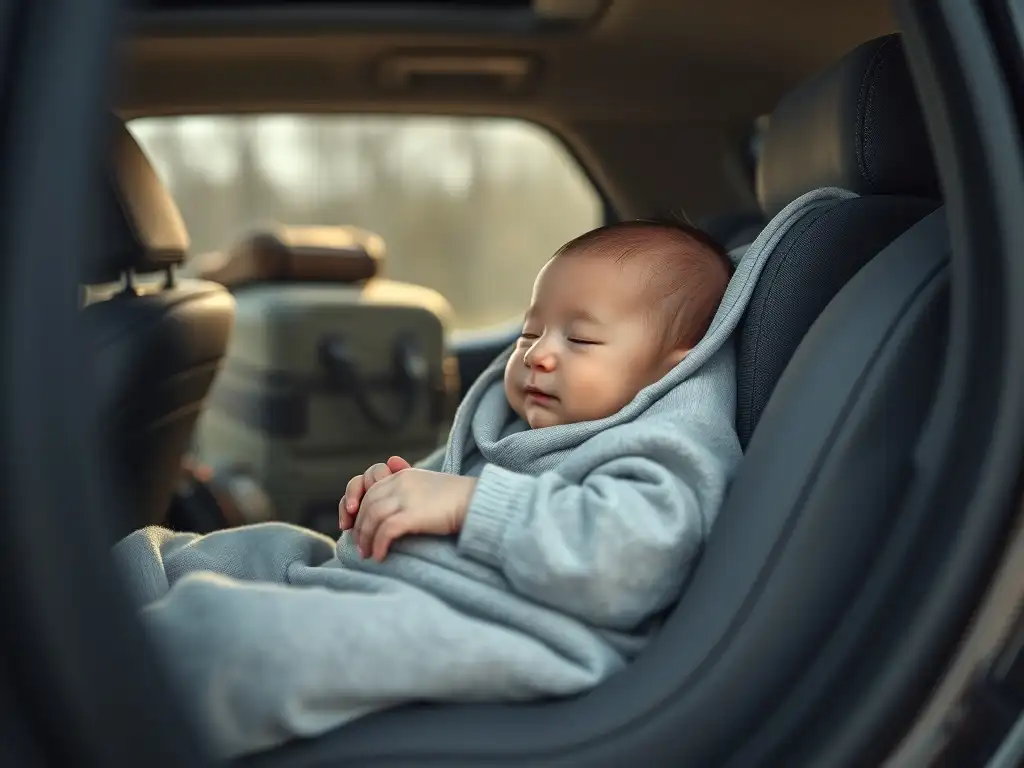
Traveling with a premature baby requires meticulous planning and preparation to ensure their safety and well-being. The fragility of a premature infant necessitates a proactive approach to minimize risks associated with air travel, car journeys, or even shorter trips. This section focuses on crucial safety measures to prioritize throughout your journey. Remember, always consult your pediatrician before embarking on any travel plans with your premature baby. They can provide personalized advice based on your baby's specific health status and needs. Failing to do so could compromise your baby’s health.
Maintaining Optimal Temperature for Your Premature Baby During Travel
Premature babies have underdeveloped temperature regulation systems, making them highly susceptible to hypothermia (dangerously low body temperature) or hyperthermia (dangerously high body temperature). Maintaining a stable temperature is paramount during travel. Even slight fluctuations can have serious consequences.
Several strategies are crucial for temperature control:
- Dress in layers: Dress your baby in lightweight layers that can be easily added or removed to adjust to changing temperatures. Avoid overdressing, which can lead to overheating. Think light cotton layers, rather than bulky materials.
- Use a thermal blanket: A lightweight, breathable thermal blanket provides an extra layer of warmth without restricting movement. Avoid heavy blankets that could overheat your baby.
- Utilize a portable incubator (if necessary): For extremely premature infants, a portable incubator may be necessary to maintain a stable temperature. Your pediatrician can advise on the need for this equipment.
- Monitor the ambient temperature: Pay close attention to the temperature of the car, airplane cabin, or any other environment your baby is in. Use a thermometer to ensure the temperature remains within the recommended range (typically between 72-75°F or 22-24°C).
- Avoid direct sunlight and drafts: Direct sunlight or exposure to drafts can quickly lead to temperature fluctuations. Shield your baby from these elements.
Remember, a premature baby's temperature should be monitored regularly throughout the journey using a reliable thermometer. Any significant deviation from the normal range should warrant immediate medical attention.
Monitoring Your Premature Baby's Vital Signs During Travel
Consistent monitoring of your premature baby's vital signs during travel is crucial. This includes their heart rate, respiratory rate, oxygen saturation (if applicable), and skin temperature. Changes in these vital signs can indicate potential problems requiring immediate intervention.
- Heart rate: A normal heart rate for a premature baby varies with age and health status. However, any significant increase or decrease from their baseline heart rate should be noted and addressed.
- Respiratory rate: Premature babies are prone to respiratory problems. Observe their breathing pattern for any signs of difficulty, such as rapid breathing, shallow breathing, or pauses in breathing (apnea). This requires immediate medical attention.
- Oxygen saturation (SpO2): If your baby requires supplemental oxygen, monitor their oxygen saturation levels regularly using a pulse oximeter. This device measures the percentage of oxygen in the blood.
- Skin temperature: As mentioned earlier, maintaining optimal skin temperature is crucial. Regularly check your baby's skin temperature to detect any signs of hypothermia or hyperthermia.
- Keep a record: Maintain a detailed record of your baby's vital signs throughout the travel journey. This will help your pediatrician assess any changes and provide appropriate guidance. Use a small notebook or a digital app to record readings. Include the time and date of each reading.
Traveling with a premature baby increases the risk of various health issues. Being prepared for potential problems and knowing how to respond is crucial.
- Respiratory infections: Crowded environments, such as airplanes, increase the risk of respiratory infections. Practice good hygiene, and avoid close contact with sick individuals.
- Dehydration: Maintaining adequate hydration is vital, especially during travel. Offer frequent feedings of breast milk or formula, as appropriate.
- Ear infections: Changes in air pressure during air travel can increase the risk of ear infections. Consider feeding your baby during ascent and descent to help equalize pressure in their ears.
- Gastrointestinal issues: Changes in routine and diet can cause digestive upset. Stick to your baby’s regular feeding schedule as much as possible, and avoid introducing new foods during travel.
- Emergency preparedness: Always have a well-stocked first-aid kit appropriate for a premature infant. This should include medications prescribed by your pediatrician, as well as essential supplies like sterile wipes and bandages. Know the location of the nearest hospital or medical facility at your destination.
Traveling with a premature baby presents unique challenges, but with careful planning and preparation, you can ensure a safe and comfortable journey. Remember, communication with your pediatrician is key to minimizing risks and maximizing your baby's well-being. Prioritize your premature baby's safety above all else. 🧸
Essential Items for Safe Premature Baby Travel
Traveling with a premature baby requires meticulous planning and preparation to ensure their safety and comfort. Packing the right items is crucial, minimizing stress and maximizing your little one's well-being during the journey. This section focuses on the must-have items for safe premature baby travel, categorized for easy reference and packing. Remember, always consult your pediatrician before embarking on any trip with your premature infant. They can provide personalized advice based on your baby's specific needs and health status. Prioritizing safety and preparedness is paramount when traveling with a fragile infant.
Medical Equipment and Supplies for Premature Baby Travel
Packing sufficient medical supplies is non-negotiable when traveling with a premature baby. Their immature systems require extra care and attention. Consider these essentials:
- Incubator or portable warmer: If your baby requires temperature regulation, a portable warmer is essential. This ensures they maintain a stable body temperature throughout the journey, mitigating the risk of hypothermia. Confirm its compatibility with your mode of transportation beforehand.
- Oxygen tank and equipment: If your baby uses supplemental oxygen, ensure you have an adequate supply for the entire trip, plus a backup. Check airline regulations regarding oxygen tank transportation.
- Feeding tubes and syringes: For babies requiring tube feeding, pack sufficient supplies, ensuring sterility and proper storage. Include extra tubes and syringes in case of unforeseen circumstances.
- Medication: Pack all prescribed medications with detailed instructions. Keep them in their original containers and easily accessible. Consider carrying a copy of your baby's medical records.
- Thermometer: A reliable thermometer is crucial for monitoring your baby's temperature throughout the trip. A digital thermometer is quick and easy to use.
- First-aid kit: A comprehensive first-aid kit tailored to your premature baby's needs is vital. This should include antiseptic wipes, bandages, gauze, and any other supplies recommended by your pediatrician. Consider adding a small pair of blunt-ended scissors.
- Infant CPR mask: While hopefully unnecessary, having an infant CPR mask readily available can provide peace of mind and be a lifesaver in emergency situations.
Remember to check with your pediatrician or healthcare provider for specific recommendations on medication storage and handling during travel. Proper storage and handling are critical to maintain the efficacy of medications.
Comfort Items to Soothe Your Premature Baby During Travel
Maintaining your premature baby's comfort during travel is key to reducing stress and promoting a peaceful journey. These comfort items can make a significant difference:
- Swaddles: Soft, snug swaddles provide a sense of security and help regulate your baby's temperature. Pack several to allow for changes. Consider using swaddles specifically designed for premature babies.
- Pacifier: If your baby uses a pacifier, bring several clean pacifiers, especially for longer journeys. Pacifiers can soothe babies and help them self-soothe during periods of discomfort.
- White noise machine: The familiar sound of a white noise machine can help block out disruptive travel noises and create a calming environment. Portable white noise machines are readily available.
- Infant car seat: Choose a car seat suitable for premature babies, ensuring proper support and safety. Always secure the car seat correctly.
- Soft blankets and toys: Pack soft blankets and familiar toys to provide comfort and a sense of familiarity, particularly during unsettling situations like takeoff and landing.
Feeding Supplies and Strategies for Premature Baby Travel
Feeding a premature baby requires special attention, especially during travel. Consider these strategies and supplies:
- Breast milk or formula: Bring an adequate supply of breast milk or formula, stored properly in insulated bags with ice packs. Check airline regulations regarding carrying liquids.
- Feeding bottles: Pack several clean bottles, ensuring they are appropriate for your baby's feeding method. Sterilizing bottles may be challenging while traveling; consider using disposable bottles.
- Bottle warmer: A portable bottle warmer can be extremely beneficial for heating breast milk or formula while on the go.
- Syringes or feeding tubes (if applicable): If your baby uses feeding tubes, pack sufficient supplies and follow your pediatrician's instructions for safe handling and administration.
- Feeding schedule: Maintain your baby's regular feeding schedule as much as possible. Consistency reduces stress and promotes regularity.
Traveling with a premature baby requires careful planning and preparation. By packing these essential items and adopting the suggested strategies, you can help ensure a safe and comfortable journey for your little one. Remember, your pediatrician's advice is invaluable; consult them for personalized guidance tailored to your baby's specific needs. Safe travels!
Premature Baby Travel Safety Tips: Minimizing Risks
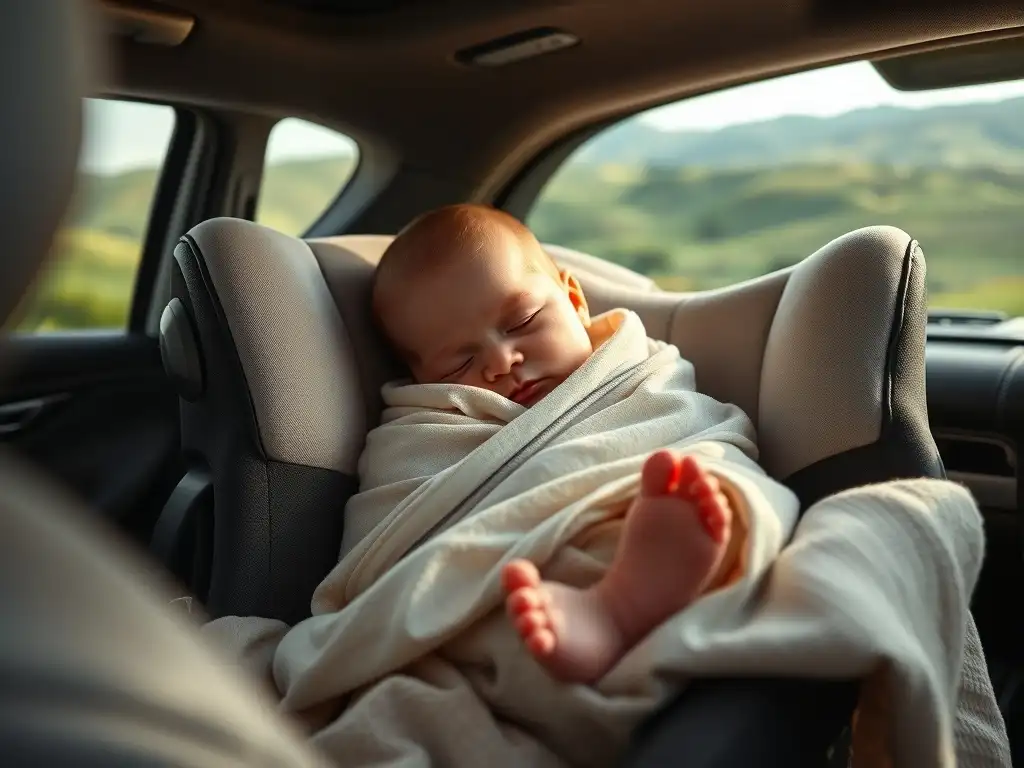
Traveling with a premature baby presents unique challenges, requiring meticulous planning and preparation to ensure their safety and well-being. This section focuses on practical strategies to minimize risks associated with transporting a fragile infant. Remember, always consult your pediatrician before undertaking any travel with your premature baby, particularly long-distance journeys. The health and safety of your little one should always be the top priority. This guide offers crucial premature baby travel safety tips to help you navigate this experience confidently.
Reducing the Risk of Infection During Premature Baby Travel
Premature babies have underdeveloped immune systems, making them highly susceptible to infections. Minimizing exposure to germs during travel is paramount. This requires a multi-pronged approach encompassing meticulous hygiene practices and careful environment selection.
Several key strategies are crucial for minimizing infection risk:
- Hand Hygiene: Frequent and thorough handwashing with soap and water is the single most effective preventative measure. Carry hand sanitizer with at least 60% alcohol content for situations where washing isn't feasible. Encourage everyone interacting with your baby to do the same. This simple act significantly reduces the transmission of bacteria and viruses.
- Travel Companions: Limit the number of people interacting with your baby during travel. Restrict contact to only those who are healthy and have practiced good hygiene. Avoid crowded places as much as possible.
- Sterile Equipment: If using any equipment like bottles or pacifiers, ensure they are thoroughly sterilized before and after use. Pack sterile wipes for quick cleanups.
- Air Travel Considerations: Air travel exposes your baby to recycled air, potentially increasing the risk of infection. Consider bringing a portable air purifier with a HEPA filter to improve air quality in your immediate vicinity. Choose flights with fewer passengers whenever possible.
- Monitoring for Symptoms: Remain vigilant and monitor your baby closely for any signs of infection such as fever, lethargy, changes in feeding patterns, or increased irritability. Seek immediate medical attention if any symptoms arise.
Preventing Dehydration in Premature Babies During Travel
Dehydration poses a significant threat to premature babies due to their immature kidney function and increased susceptibility to fluid loss. Maintaining adequate hydration during travel is critical.
Here's how to prevent dehydration:
- Frequent Feedings: Offer breast milk or formula more frequently than usual, especially during and after travel. Small, frequent feeds are better tolerated than large, infrequent ones.
- Electrolyte Solutions: In case of vomiting or diarrhea, consult your pediatrician about using an oral electrolyte solution to replenish lost fluids and electrolytes. Never administer electrolyte solutions without medical advice.
- Monitoring Wet Diapers: Keep a close eye on the number of wet diapers your baby produces. This is a reliable indicator of hydration status. Fewer wet diapers could signal dehydration.
- Climate Control: Regulate the temperature of your surroundings to prevent excessive sweating. Avoid overheating.
- Travel Hydration Kit: Prepare a travel kit with all the necessary feeding supplies to ensure your baby is well-hydrated throughout the journey. This includes bottles, formula, breast milk storage bags (if applicable), and water for mixing formula.
Managing Stress and Anxiety During Premature Baby Travel
Traveling with a premature baby can be stressful for both parents and the baby. Managing stress and anxiety is crucial for a smooth journey.
Here's how to minimize stress and ensure a more comfortable experience:
- Planning and Preparation: Thorough planning significantly reduces stress. Pack everything you need well in advance. Create a detailed itinerary and anticipate potential challenges.
- Rest Stops: Plan for frequent rest stops, especially during long car journeys. This allows you to attend to your baby's needs and take short breaks.
- Comfort Measures: Bring familiar comfort items like a favorite blanket or toy to soothe your baby. Maintain a consistent routine as much as possible.
- Support System: Travel with a support person if possible. Sharing the responsibility reduces stress and allows for better care of your baby.
- Self-Care: Remember to prioritize your own well-being. Adequate rest and nutrition are essential for managing stress. Don't hesitate to ask for help when needed.
Remember, these premature baby travel safety tips are guidelines. The specific needs of your baby may vary. Always prioritize your baby's health and consult your pediatrician before and after any travel. Safe travels!
Post-Travel Care for Your Premature Baby
Traveling with a premature baby requires meticulous planning and execution. However, the journey doesn't end when you arrive at your destination. Post-travel care is crucial for ensuring your little one's continued well-being and a smooth transition back to their normal routine. This section focuses on the essential steps to take after a trip to monitor your premature baby's health and address any potential issues arising from the travel experience. Remember, proactive care is key to mitigating potential complications. This is especially important considering the increased vulnerability of premature babies to infections and other health problems.
Monitoring Your Premature Baby's Health After Travel
The first few days after returning from a trip are critical for observing your premature baby's health. Even seemingly minor changes in behavior or physical condition should be noted and, if concerning, discussed with your pediatrician. Consistent monitoring is the cornerstone of preventative care.
Regularly check your baby's:
- Temperature: Premature babies are highly susceptible to temperature fluctuations. Use a reliable thermometer to monitor their temperature several times a day, especially if they seem unusually warm or cold. A deviation from their normal range warrants immediate attention.
- Feeding patterns: Did their feeding habits change during or after the trip? Any significant decrease or increase in appetite, difficulty latching (if breastfeeding), or changes in the amount of formula consumed should be assessed. Dehydration is a serious concern, so monitor their urine output as well.
- Breathing: Observe their breathing rate and rhythm. Increased respiratory rate, wheezing, or difficulty breathing necessitates immediate medical attention. Premature babies have underdeveloped lungs, making them vulnerable to respiratory infections.
- Skin: Examine their skin for any rashes, redness, or other irritations that may have developed during travel. Changes in skin condition could indicate an allergic reaction or infection.
- Stool and Urine: Monitor the frequency, consistency, and color of their bowel movements and urine. Changes in these could indicate gastrointestinal issues or dehydration.
Keep a detailed record of your observations, including dates, times, and specific details. This information will be invaluable if you need to consult your doctor. Remember, proactive monitoring is far better than reactive treatment. Early detection of any problems significantly improves the chances of a swift and successful resolution. This careful monitoring is a crucial component of "Premature baby travel safety tips."
Travel can expose your premature baby to various germs and environmental factors, increasing the risk of infection. Common travel-related health concerns include:
- Respiratory infections: Changes in air quality and exposure to other people can trigger respiratory infections like bronchiolitis or pneumonia. Symptoms include coughing, wheezing, rapid breathing, and fever.
- Gastrointestinal issues: Changes in diet, water sources, and exposure to new bacteria can lead to diarrhea, vomiting, and dehydration.
- Ear infections: Changes in air pressure during travel can increase the risk of ear infections. Symptoms include fussiness, pulling at ears, and fever.
- Skin irritations: Exposure to new fabrics, detergents, and environmental allergens can cause rashes or other skin problems.
If you notice any of these symptoms, contact your pediatrician immediately. Early intervention is vital in managing these conditions and preventing further complications. Don't hesitate to seek medical advice – your peace of mind is as important as your baby's health. Remember, prompt action is a vital part of ensuring "Premature baby travel safety tips" are effectively implemented.
Adjusting Your Premature Baby's Routine After Travel
Returning home doesn't mean immediately reverting to the pre-travel routine. A gradual adjustment is necessary to minimize stress and allow your premature baby to recover from the travel experience. Consider these steps:
- Gradual reintroduction of routine: Don't try to snap back into the exact pre-travel schedule immediately. Ease back into feeding times, sleep schedules, and other routines over a few days.
- Monitoring sleep patterns: Travel can disrupt sleep patterns. Observe your baby's sleep and make adjustments as needed to help them settle back into their regular sleep cycle. Remember that consistent sleep is crucial for their development.
- Hydration: Ensure your baby stays adequately hydrated. Offer frequent feeds, especially if they have experienced any diarrhea or vomiting.
- Extra cuddles and comfort: Provide extra cuddles and comfort to help your baby adjust to being back home. A sense of security and familiarity can help alleviate any stress from the journey.
- Consult your pediatrician: If your premature baby is struggling to adjust, or if you have any concerns, contact your pediatrician. They can provide personalized advice and support. This is a key element of ensuring your "Premature baby travel safety tips" are successful.
Remember, patience and understanding are essential during this transition period. Give your premature baby time to readjust, and celebrate the successful completion of your journey together. The post-travel period is a crucial part of the overall travel experience, and careful monitoring and adjustment will ensure your baby's continued health and well-being.
When to Avoid Traveling with a Premature Baby
Traveling with a premature baby requires careful consideration of your little one's health and developmental stage. Knowing when to postpone a trip is crucial for their safety and well-being. This section focuses on identifying situations where travel should be avoided, prioritizing your premature baby's health above all else. Remember, consulting your pediatrician is paramount before making any travel decisions.
Recognizing Signs Your Premature Baby Isn't Ready for Travel
Determining your premature baby's readiness for travel involves assessing several key factors. These aren't just arbitrary guidelines; they're crucial indicators of your baby's physiological stability and resilience to the stresses of travel. Ignoring these signs can have serious consequences.
Several warning signs suggest your premature baby is not ready for travel. These include:
- Recent illness or infection: Even a seemingly minor cold or infection can significantly weaken a premature baby's already fragile immune system. Traveling exposes them to more germs, increasing the risk of complications. A fever, persistent cough, or increased respiratory distress are clear indicators to postpone travel.
- Unstable weight gain: Premature babies need consistent weight gain to thrive. If your baby's weight gain is inconsistent or stagnant, travel should be postponed until their weight is stable and they show consistent improvement. This ensures they have sufficient reserves to cope with the stress of travel.
- Apnea or bradycardia: Apnea (pauses in breathing) and bradycardia (slow heart rate) are serious concerns in premature babies. If your baby experiences these, travel is strongly discouraged until these episodes are under control and managed appropriately. This often necessitates close monitoring and potentially specialized medical equipment, making travel highly impractical and risky.
- Feeding difficulties: If your baby is struggling with feeding, whether it's breastfeeding or bottle-feeding, travel adds an extra layer of complexity. The disruption of routine and the stress of travel can worsen feeding issues, leading to dehydration and malnutrition. Ensuring consistent and adequate feeding is paramount before considering travel.
- Oxygen dependence: Premature babies often require supplemental oxygen. If your baby is still dependent on oxygen, traveling poses significant risks. Maintaining consistent oxygen saturation during travel can be challenging, and any disruption can have severe consequences.
- Ongoing medical treatments: If your premature baby is receiving ongoing medical treatments, such as intravenous medication or respiratory support, travel is generally not recommended unless absolutely necessary and with the explicit approval and support of their medical team. Disrupting ongoing treatments during travel can be extremely dangerous.
Remember, your premature baby's health and safety are paramount. Prioritizing their well-being by postponing travel when necessary is a crucial demonstration of responsible parenthood. Always consult your pediatrician before making travel plans for your premature baby. They can provide personalized guidance based on your baby's specific health condition and developmental progress. Don't hesitate to seek their expert advice; it's invaluable in ensuring your baby's safe journey.
Frequently Asked Questions
What are the biggest safety concerns when traveling with a premature baby?
The biggest concerns are maintaining stable body temperature, preventing infection, and ensuring adequate oxygen levels. Premature babies are particularly vulnerable to environmental changes.
When is it safe to travel with a premature baby?
It's best to wait until your premature baby is medically stable and has reached a weight of at least 5 pounds, and has been cleared by your pediatrician for travel. Consider your baby's individual health status.
What special equipment should I bring when traveling with a premature baby?
Pack an infant car seat suitable for preemies, a portable incubator or warmer (if needed), extra formula or breast milk, and all necessary medications. Don't forget extra clothing and diapers.
How can I minimize the risk of infection during travel with my premature baby?
Frequent handwashing is crucial. Minimize exposure to crowds and sick individuals. Ensure all surfaces your baby will come into contact with are clean and disinfected.
What are some tips for keeping my premature baby comfortable during air travel?
During flights, feed your baby during ascent and descent to equalize ear pressure. Keep your baby warmly dressed but avoid overheating. Bring familiar comfort items to reduce stress.
Final Reflection: Embracing the Journey: Safe Travels with Premature Infants
The fragility of a premature infant's life underscores the critical need for meticulous planning and unwavering vigilance when traveling. Every journey, no matter how short, presents unique challenges and necessitates a proactive approach to ensure the little one's safety and well-being. This is not just about checklists and precautions; it's about embracing a journey filled with love, careful preparation, and a deep understanding of your baby's specific needs.
The experience of traveling with a premature baby profoundly alters one's perspective on the meaning of travel itself. It shifts the focus from sightseeing and adventure to the precious moments shared, the quiet triumphs of navigating unfamiliar environments, and the unwavering bond forged between parent and child. This journey, often fraught with anxiety, ultimately becomes a testament to the resilience of both parent and infant. The journey of a thousand miles begins with a single step,
and for parents of premature babies, each step, each flight, each car ride, is a testament to their unwavering love and dedication.
Now, consider your own journey. What steps can you take to ensure the safety and comfort of your premature infant during travel? Remember the importance of meticulous planning, proactive communication with medical professionals, and unwavering self-care. Embrace the challenges, celebrate the small victories, and cherish the profound connection that unfolds as you navigate this unique chapter of parenthood. Your journey, though demanding, will be filled with immeasurable love and the enduring strength of your family bond.
Unlock Your Confidence: Traveling Safely with Your Premature Baby
Thank you for learning more about safe travel with your precious baby! We hope this article has given you the knowledge and confidence for a smoother journey. Now, let's put that knowledge into practice.
- Prioritize your baby's health: Before you travel, schedule a checkup with your pediatrician to discuss any concerns and ensure your baby is healthy enough for the trip. This is the most important step!
- Share your experiences: Inspire other parents by leaving a comment below and sharing your successful travel tips for premature babies.
- Download our checklist: For added peace of mind, download BabyCareHub's free travel checklist to help you stay organized and prepared.
Ready to embark on a worry-free travel adventure with your little one? What's your top priority when planning a trip with a premature baby?